
Your Partner for Complete Food Processing Systems
Review the process, equipment duties and project boundary from one defined basis.
Coordinate Decisions Across the Complete Equipment Boundary
Project responsibilities
Hadof's public role is defined through reviewable project work, not unsupported scale, ranking or market-leadership claims.
Application review
Translate the buyer's raw material, finished specification and operating plan into equipment duties and open test questions.
Line interface review
Coordinate infeed, discharge, transfer, controls, utilities and access so individual machines can be evaluated as one route.
Evidence control
Separate model values, project calculations, workshop observations and acceptance records so each claim retains its source boundary.
Delivery coordination
Confirm drawings, document lists, inspection points, packing, installation support and site responsibilities in the agreed scope.
Coordination is what turns a set of machines into a working line. Hadof's role is to keep the application review, the line-interface review, the evidence control and the delivery coordination on one shared basis, so a decision made in one stage is carried into the next instead of being re-decided later.
That shared basis is written, not assumed. The raw material, the finished requirement, the operating plan and the factory constraints are recorded once, and every review refers back to the same record. When the project crosses from engineering to quotation to delivery, the boundary remains visible.
See the Factory and Project Context
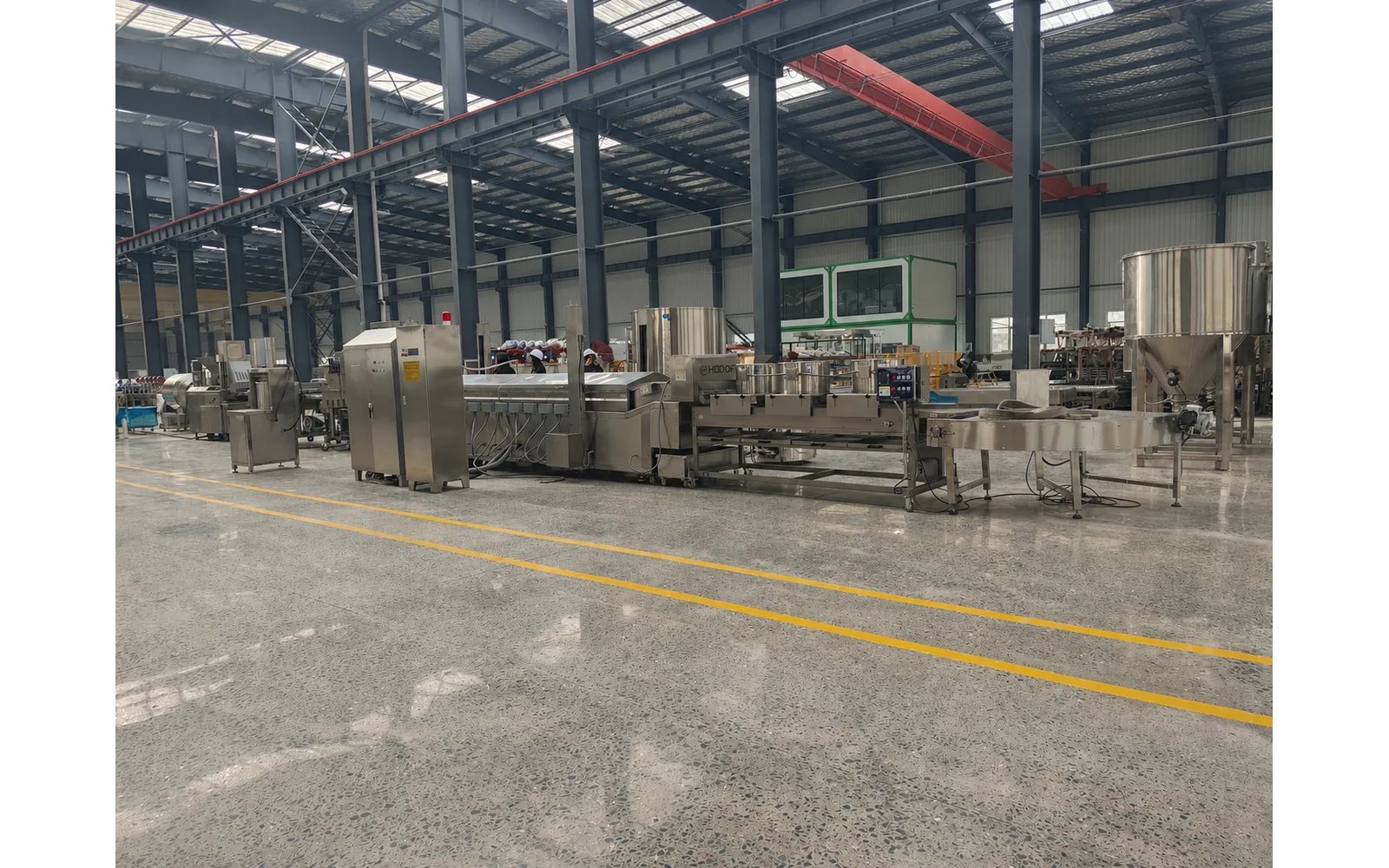
This Hadof company video provides a Hadof introduction to the organization and working environment. Product suitability, model parameters, delivery scope and performance remain subject to the current technical review.
The company video shows the working environment behind the project work: the workshop, the assembly areas and the equipment being prepared for dispatch. It is an introduction to the organisation, not a catalogue of guarantees, so model parameters and performance remain subject to the technical review.
Use the visual context to see how the equipment is built and handled, then bring the product and operating questions to the project team. A factory view helps a buyer trust the organisation; it does not replace the product trial and the written scope that a real project requires.
More Than a List of Machines
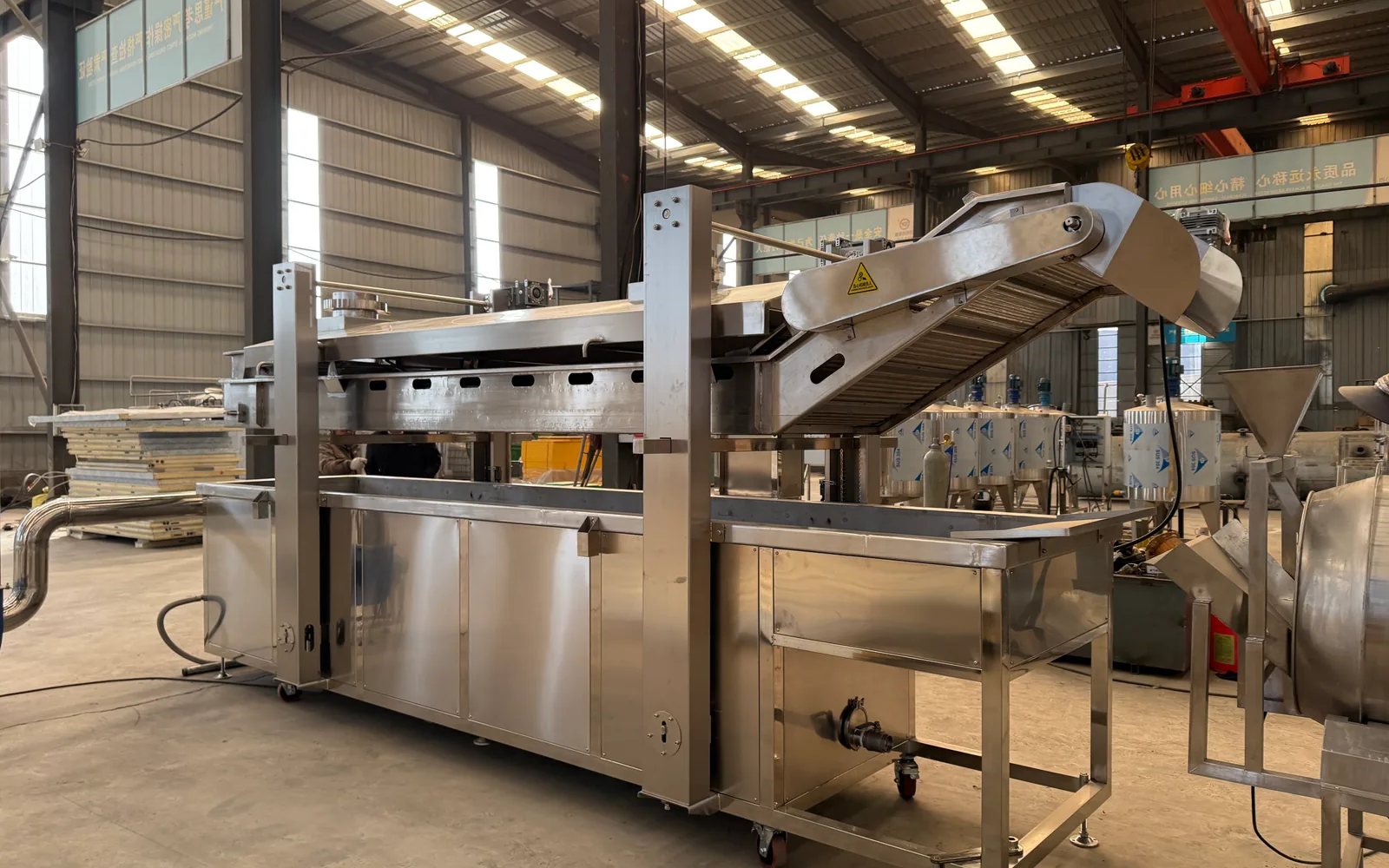
The project starts from the product and operating objective, then connects equipment duties into a defined technical and delivery scope.
Application definition
Raw material, finished requirement, output and operating pattern.
Process architecture
Stages, control points, product handoffs and optional boundaries.
Equipment selection
Model-specific parameters, configuration, utilities and interfaces.
Project coordination
Layout, documentation, responsibilities, review and delivery basis.
The project starts from the product and the operating objective, then connects equipment duties into a defined technical and delivery scope. A list of machines describes what is supplied; the project definition describes what the machines must do together, and that is the difference between a purchase and a system.
Application definition, process architecture, equipment selection and project coordination are the four steps that build the scope. Each step narrows the open questions until the quotation can be compared and the delivery can be accepted on evidence rather than on a machine name.
Turn the Buyer Requirement Into a Reviewable Scope
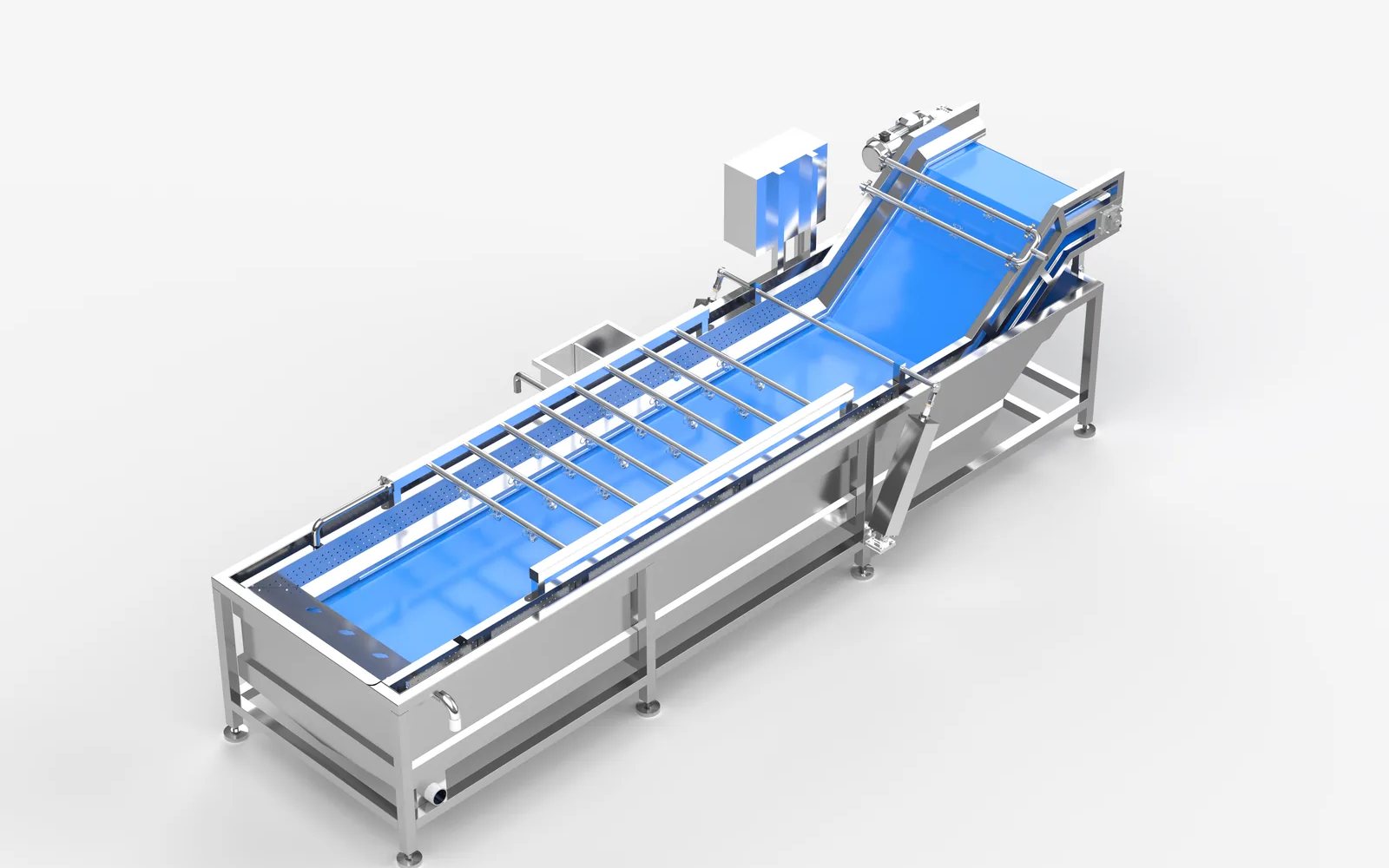
Open items remain visible through the project instead of becoming unverified assumptions.
- 01ListenProduct and business objective
- 02DefineProcess and operating basis
- 03SelectEquipment duties and models
- 04IntegrateFactory and control interfaces
- 05ReviewEvidence and open items
- 06ConfirmScope and responsibilities
Open items remain visible through the project instead of becoming unverified assumptions. The sequence moves from the business objective to the process basis, then to equipment duties, factory interfaces, evidence review and finally the confirmed scope and responsibilities.
Keeping each step in order is what makes the scope reviewable. A requirement that is defined before the equipment is selected can be checked after the equipment is supplied, and the buyer receives a scope that answers the same question it was asked to answer.
Technical Detail With Clear acceptance boundaries
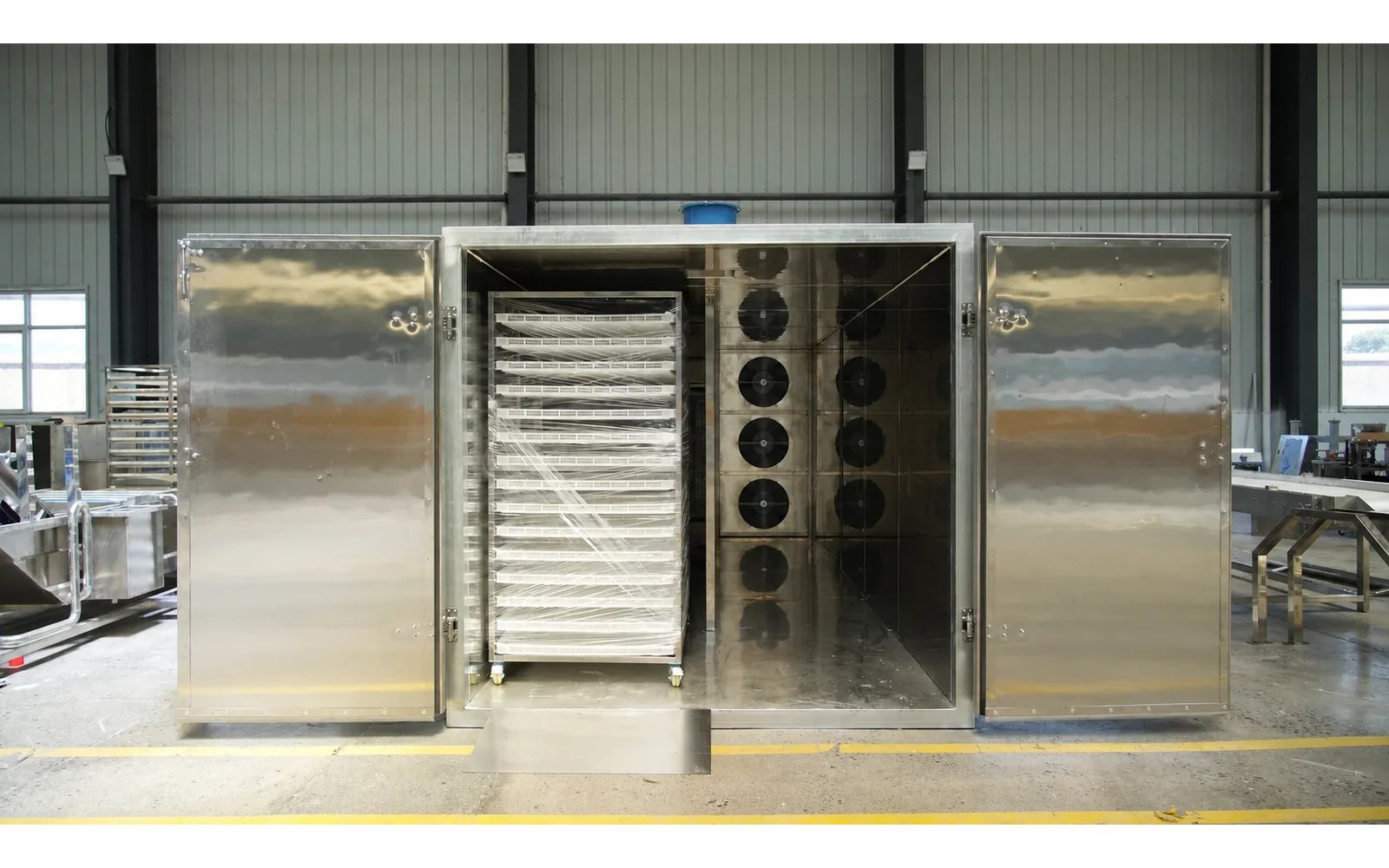
Marketing language does not replace model documents, source records or project review.
Publish model-specific data.
Unknown values are identified by decision field and withheld from claims until evidence is reviewed.
Verify documentation per model.
No blanket CE statement is made across the product catalog.
Protect privacy and source boundaries.
Public case records separate verified context from unpublished detail.
People and lifecycle support
Marketing language does not replace model documents, source records or project review. Hadof publishes model-specific data, verifies documentation per model and keeps privacy and source boundaries clear, so a claim is only made where the evidence behind it exists.
Unknown values are identified by decision field and withheld from claims until evidence is reviewed. The same discipline applies across the catalogue: no blanket certification statement is made for every machine, and public case records separate verified context from unpublished detail.
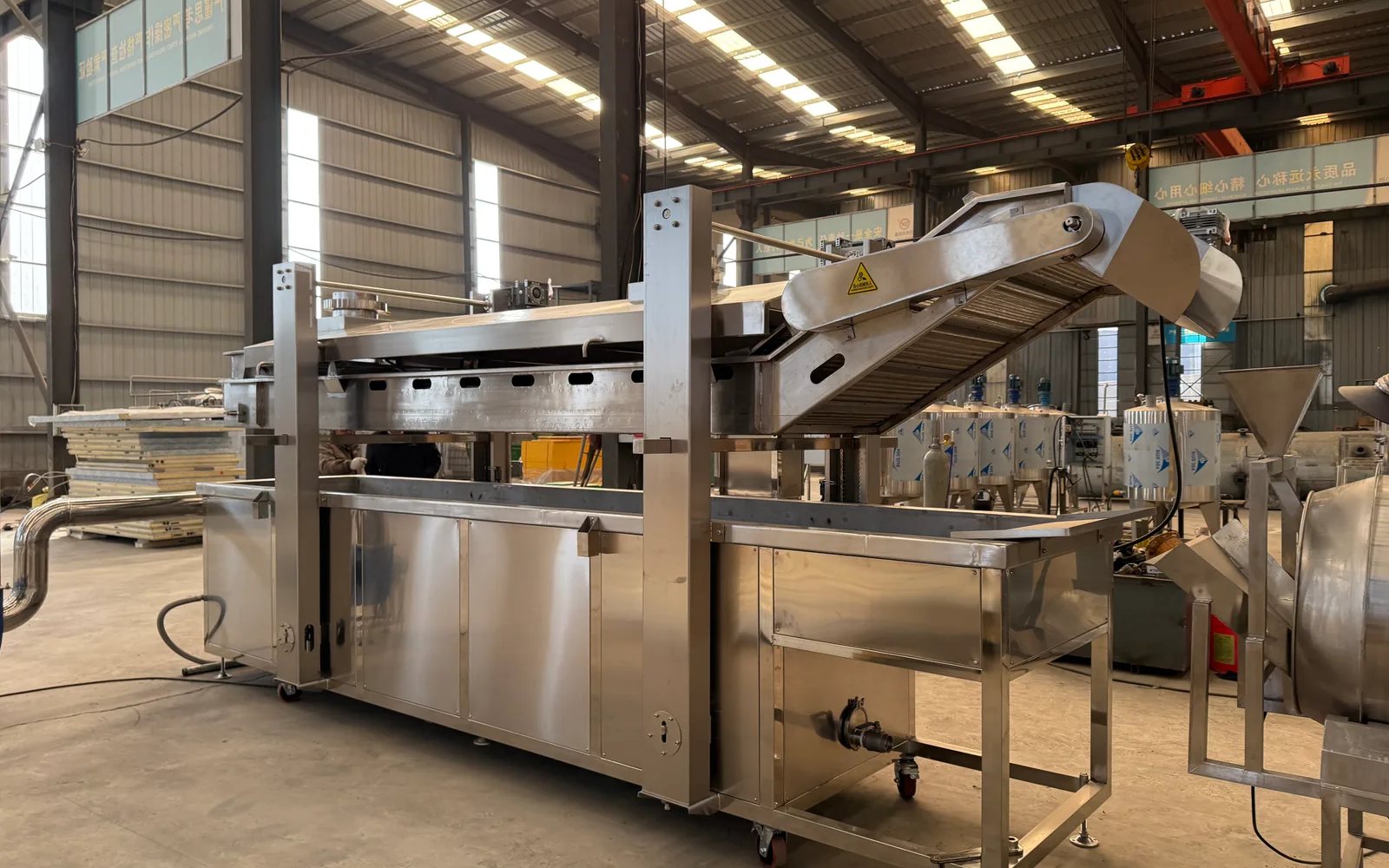
Continue From Project Definition Into Technical Handover
Use the team page to identify the function needed for a decision, and the service page to prepare machine, event and site evidence after delivery.
Project and technical functions
Review process engineering, installation, training, FAT and site-testing interfaces without exposing private personnel details.
Parts and service support
Prepare machine identity, symptoms, part evidence, operating context and the requested technical outcome.
Project delivery workflow
Connect drawings, inspection, packing, installation support, training and acceptance responsibilities.
Use the team page to identify the function needed for a decision, and the service page to prepare machine, event and site evidence after delivery. The project and technical functions, the parts and service support, and the delivery workflow are described separately so the buyer can reach the right group quickly.
Project definition and technical handover are one continuous line. The same product basis that shaped the quotation is the basis used for inspection, installation and acceptance, so the machine that is delivered is the machine that was specified and reviewed.
Connect With the Hadof Project Team
Zhengzhou Hadof Food Machinery Co., Ltd.
- LocationNo. 96 Xuchang Road, Shangjie District, Zhengzhou, Henan, China
- [email protected]
- Phone0086 182 0399 3035
- Websitehadofsolutions.com
Frequently asked questions
What information is required for a technical review?
How is the final configuration confirmed?
Bring a defined requirement to the first conversation and the team can respond with a specific route rather than a general description. State the product, the finished target, the output and the destination, and the review can start from those facts instead of from a blank page.
The contact page collects the same inputs and routes the project to the technical function that can act on them. A structured first message is the fastest way to turn an inquiry into a reviewable scope, and it is the beginning of the evidence chain the project will follow.

All Company
Every page in this topic, grouped for quick navigation.