
Food Freeze-Drying Production Line
Review the process, equipment duties and project boundary from one defined basis.
Follow the Water From Raw Product to Protected Pack
Each stage has a measurable input, an equipment duty and a handoff condition. Skipping one of these definitions moves risk into the freeze-drying cycle.
Raw material to defined feed
Set geometry, recipe and initial water before loading.
Convert batch mass into a controlled heat-transfer layer.
Internal or external freezing
Reach a defined frozen state before pressure reduction.
Primary and final drying duties
Balance shelf heat, chamber pressure and condenser load.
Discharge and room exposure
Protect the endpoint while product leaves the chamber.
Moisture-protective packaging
Match barrier, closure and headspace to the finished product.
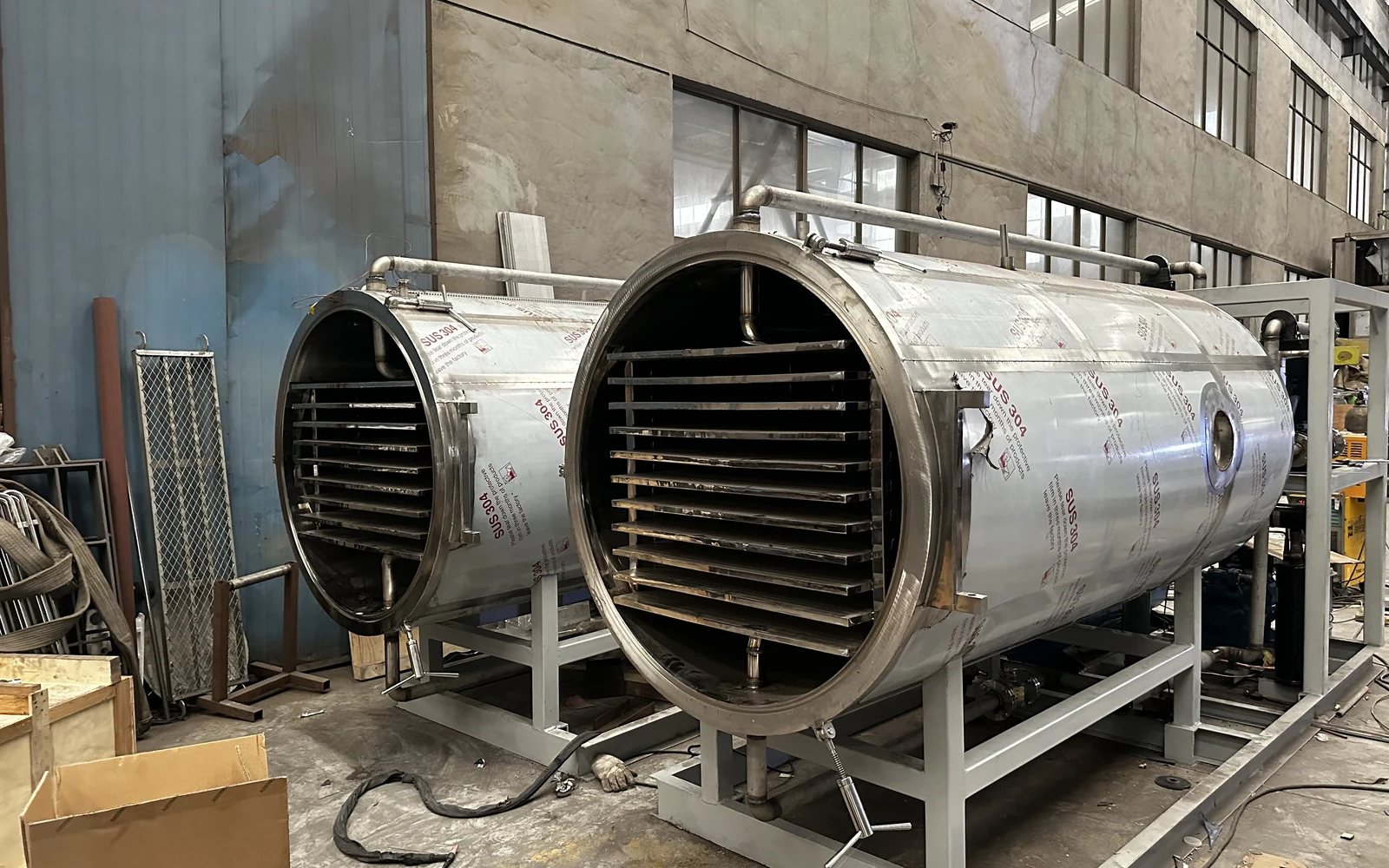
Follow the water from the raw product all the way to the protected pack. Freeze drying works by freezing the product and then removing the ice by sublimation, so the route is really a water-removal route: preparation, freezing, primary drying, secondary drying and then immediate packing before the dried product reabsorbs moisture. Each stage must hand the product to the next without letting moisture back in.
Record the product's water content, its freezing point and its final moisture target. Those three numbers define the thermal and vacuum duty of the dryer, and they also define how the product must be handled and packed at the end. The line is designed around the water, not around a chamber volume.
Convert Sales Demand Into a Batch and Chamber Plan
Daily finished output cannot be divided by a catalog batch value alone. Product yield, water removal, load preparation, cycle time, cleaning, defrost and packaging availability all affect the production plan.
Finished product plan
Pack formats, daily and annual output, campaign length, seasonal peaks and required production days.
Raw-to-dry conversion
Prepared yield, initial water or solids, target endpoint, process loss and samples retained for quality control.
Loads and cycles
Tray mass, layer depth, preparation time, freezing route, drying cycle, unload, defrost and cleaning window.
Area and auxiliaries
Shelf area, condenser duty, vacuum group, refrigeration, heat-transfer loop, utilities and packing handoff.
Convert the sales demand into a batch and chamber plan before choosing a dryer. Take the kilograms of dried product you must ship, add the moisture loss and the yield losses, and work back to the fresh load each cycle must carry. Then divide that load across the shelves and check the cycle time, because the chamber size follows from the batch, not from a preference.
Include the operating pattern in the plan. A line that runs two shifts with cleaning and defrost between them has a different rhythm from a continuous operation, and the number of cycles per day is what sets the daily output. The batch and chamber plan is the calculation that turns a sales forecast into an equipment duty.
Define Every Equipment and Responsibility Boundary
The configuration logic and equipment combination connect preparation, cold-side duty, freeze drying and post-dry protection. The freeze dryer is the core process asset, but every handoff must be balanced to it.
Product preparation
Receiving, washing, trimming, cutting, cooking, pureeing or formulation as required by the approved product.
Loading system
Food-contact trays, racks, spreading or filling, load records and transfer into the freezing stage.
Pre-freezing
In-chamber shelf freezing or an external freezer and room, selected from load, schedule and scale.
Vacuum freeze dryer
Chamber, shelves, condenser, vacuum, refrigeration, heat-transfer circuit, controls, defrost and drains.
Post-dry transfer
Humidity-controlled exposure window, racks or carts, buffers, inspection and product-protection procedures.
Packaging
Barrier material, filling, optional headspace control, sealing, inspection, secondary pack and finished storage.
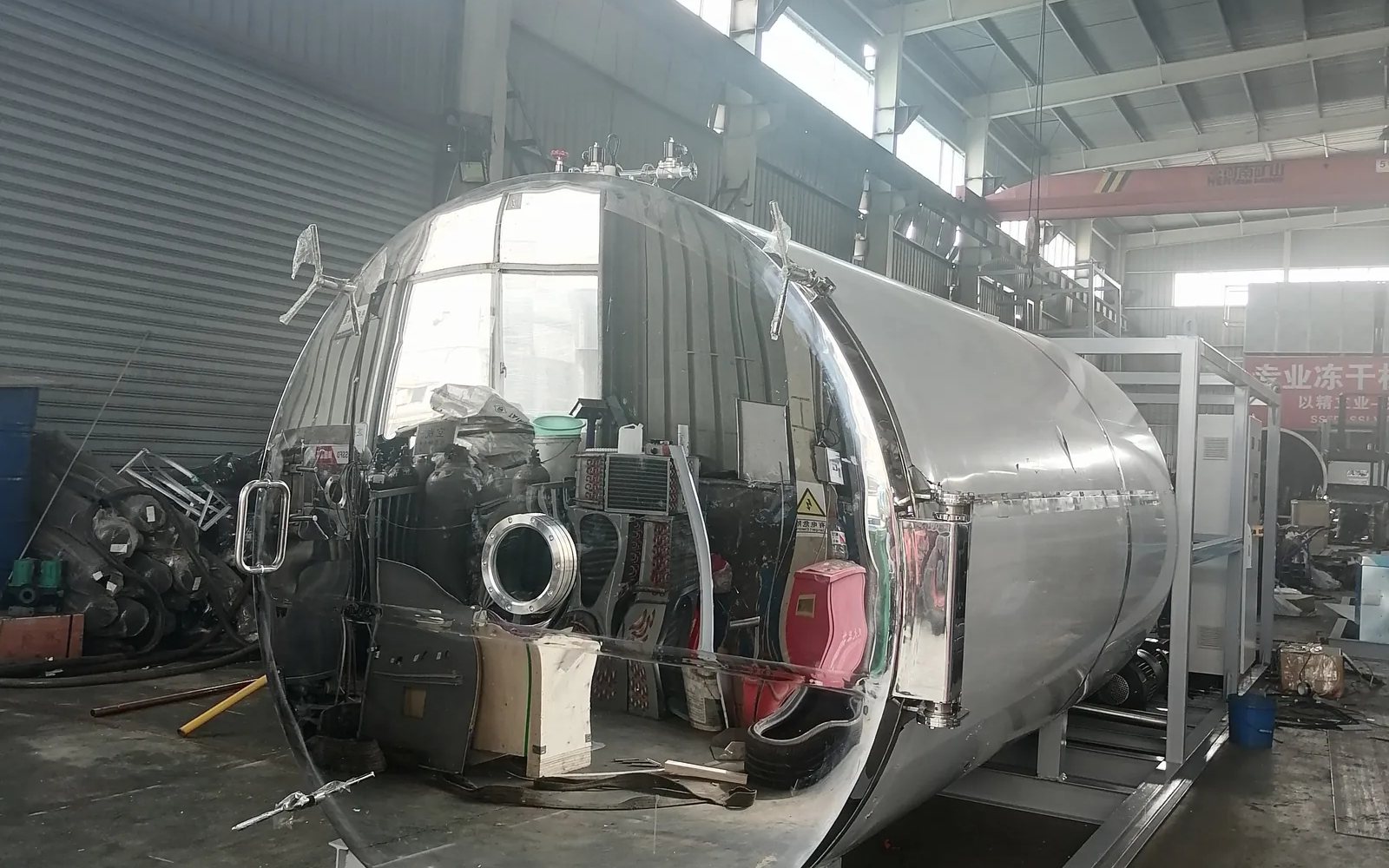
Define every equipment and responsibility boundary before the scope is written. A freeze-drying line crosses preparation, freezing, vacuum drying, utilities and packing, and each boundary is a place where two suppliers can disagree. Name who supplies the preparation equipment, the dryer, the vacuum and refrigeration plant, the utilities and the packing line, and write the interfaces between them.
Pay particular attention to the utility boundary. The vacuum pumps, the refrigeration system and the control system may be supplied with the dryer or by the site, and the difference changes the price and the commissioning plan. When every boundary is written down, the quotations can be compared and the installation can be scheduled without surprises.
Plan the Room Around Flow, Utilities and Maintenance
Use a dimensioned layout to coordinate raw and dry product zones, freezer and chamber access, cold-plant location, cooling water, drainage, electrical distribution and component-removal routes.
| Rooms and hygiene | Raw preparation, loading, pre-freezing, dryer access, unloading, controlled packing and waste routes |
|---|---|
| Utilities | Voltage and frequency, connected load, cooling water, compressed air, drainage and ambient design conditions |
| Access | Transport split, doors, lifting, floor loading, service clearances and removal paths for major components |
| Controls and records | Recipe access, alarms, data capture, remote-support boundary and required documentation language |
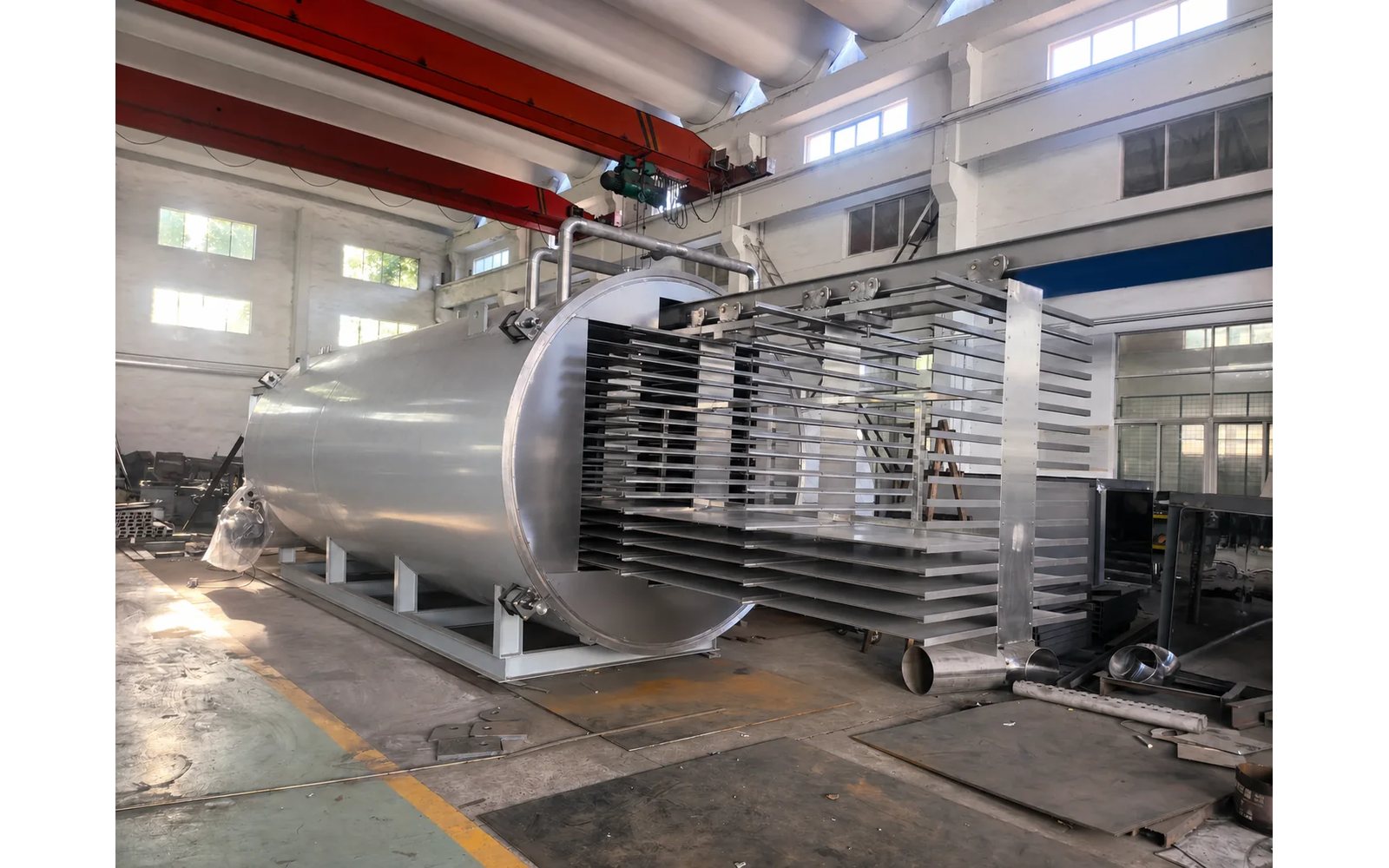
Plan the room around the product flow, the utilities and the maintenance, not around the machine footprint alone. The dryer needs a loading area, a discharge area and a packing room with low humidity, and the operators need to move product between them without contaminating the dried material. The room is part of the line.
Confirm the services before the layout is approved. Record the electrical supply, the cooling water, the vacuum pump exhaust and the drainage, and leave access for cleaning and service. A freeze-drying room that is short of utilities or access will slow the line more than any machine choice, so the room and the equipment are designed together.
A room that is short of utilities or access slows the line more than any machine choice.
Approve the Basis Before Testing the Result
A buyer-facing acceptance plan states exactly which product, loading, utilities, measurements and scope are available at the factory and at site.
- 01Product and cycle reviewApprove representative material, preparation, loading, freezing route, proposed recipe and endpoint method.Technical basis
- 02Design reviewApprove model, general arrangement, utility schedule, interfaces, materials, control documents and open items.Released design
- 03Factory verificationInspect equipment completeness, controls, safety functions and the agreed available test scope with recorded conditions.FAT record
- 04Site acceptanceVerify installation, utilities, operator training, approved product run and responsibility closeout at the destination.SAT record
Product and cycle review
Approve representative material, preparation, loading, freezing route, proposed recipe and endpoint method.
Design review
Approve model, general arrangement, utility schedule, interfaces, materials, control documents and open items.
Factory verification
Inspect equipment completeness, controls, safety functions and the agreed available test scope with recorded conditions.
Site acceptance
Verify installation, utilities, operator training, approved product run and responsibility closeout at the destination.
Compare compact, production and plant-scale SSFD model references.
Quotation Risk Checklist
Compare inclusions, assumptions, tests and site responsibilities.
Project Delivery Path
Review design, manufacturing, inspection, shipping and site support.
Freeze-drying line proposal
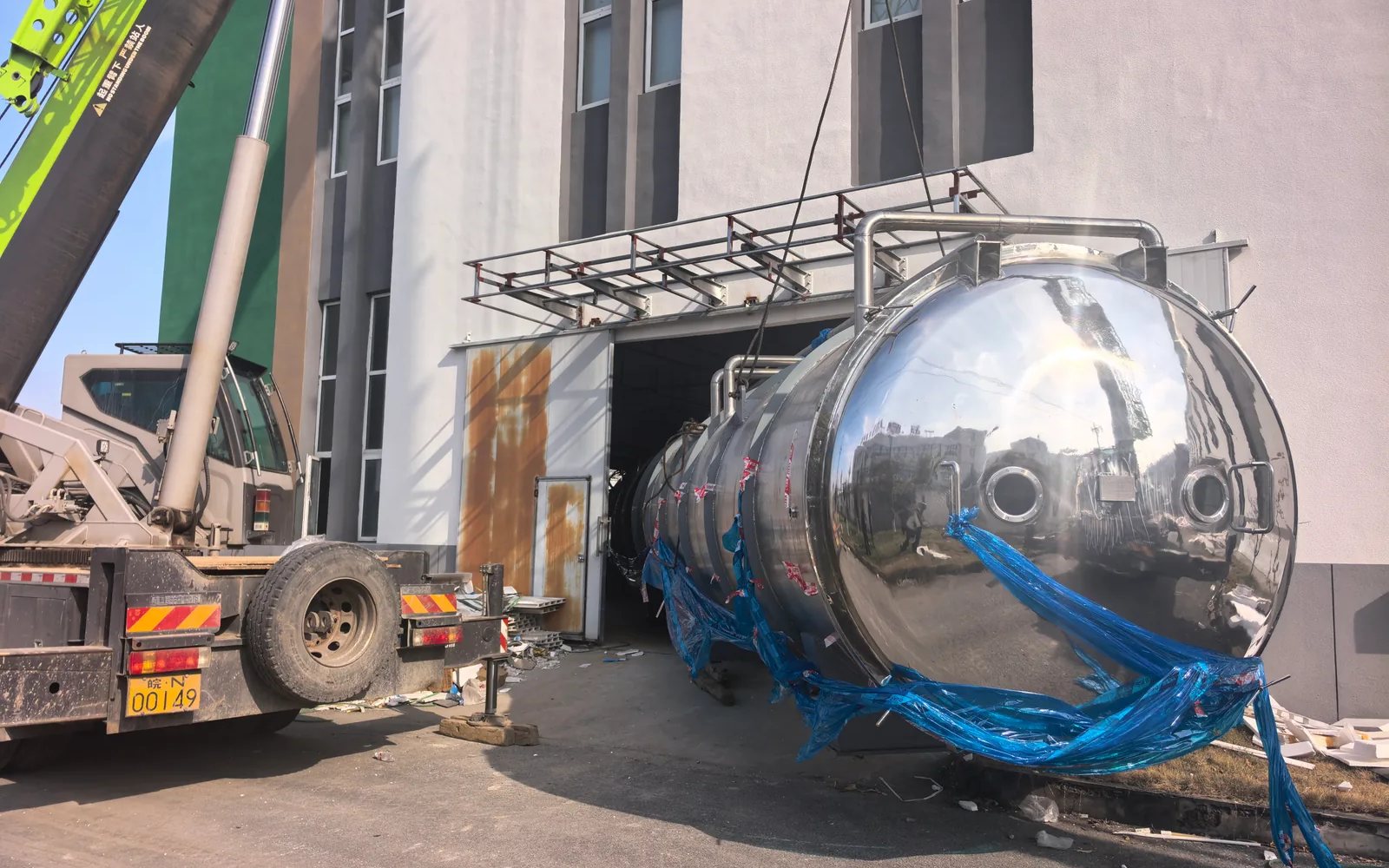
Approve the written basis before testing the result. State the product, the load weight, the shelf temperature, the chamber pressure and the final moisture target, and agree how the cycle data will be recorded and judged. A test without a basis produces a tray of dried product but no evidence about how repeatably the line can make it.
Then run the trial with representative product and keep the cycle record. The product temperature and chamber pressure curves are the evidence that the freezing and drying stages worked, and they are the basis for acceptance after installation. The record, not the photograph, is what the buyer is entitled to.
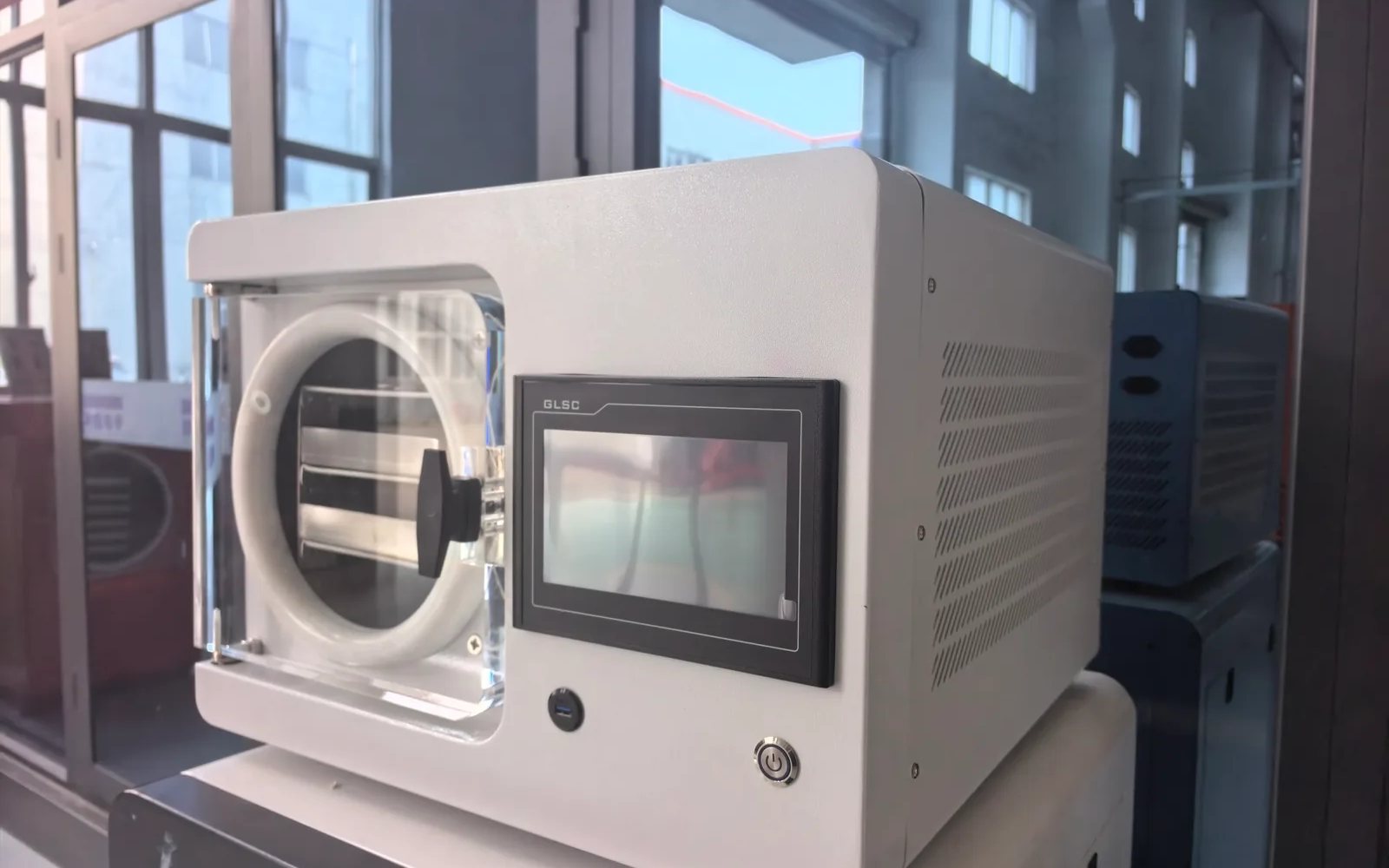
Build the Project Around a Measurable Product
Send the raw and finished product basis, expected batch rhythm and factory information for a coordinated technical review.
- Product filePhotos or samples, preparation, dimensions, moisture or solids and desired endpoint
- Production planFinished output, pack sizes, batches, shifts, seasonal peaks and available cycle window
- Factory fileLayout, voltage, cooling water, compressed air, rooms, access and destination
- Project boundaryPreparation, freezer, dryer, packing, tests, installation, training and documentation
| Core process route | Preparation / tray loading / pre-freezing / vacuum freeze drying / unloading / protective packaging |
|---|---|
| Chamber reference range | 0.1-240 m² across reviewed compact and production files |
| Sizing basis | Prepared yield, initial water or solids, tray load, cycle, batches and finished-output plan |
| Factory basis | Rooms, electrical supply, cooling water, compressed air, drainage, access, controls and packaging |
Frequently asked questions
Which stages can be included in a food freeze-drying line?
How is daily freeze-dried output calculated?
When is an external pre-freezing room required?
Which utilities must be confirmed for the complete line?
How should factory and site acceptance be divided?
What commercial details remain configuration-specific?
Build the project around a measurable product rather than a list of machines. Choose one product or product family that represents the line's duty, write down its moisture, its texture and its shelf-life target, and use that product for every trial, quotation and acceptance test. The project is then judged on whether it makes that product, not on whether the machines were delivered.
Keep the same product basis through commissioning and the first production runs. If the basis changes, restart the review from the new product, because a line configured for one food does not automatically suit another. A measurable product is what keeps the project honest from the first enquiry to the last acceptance signature.
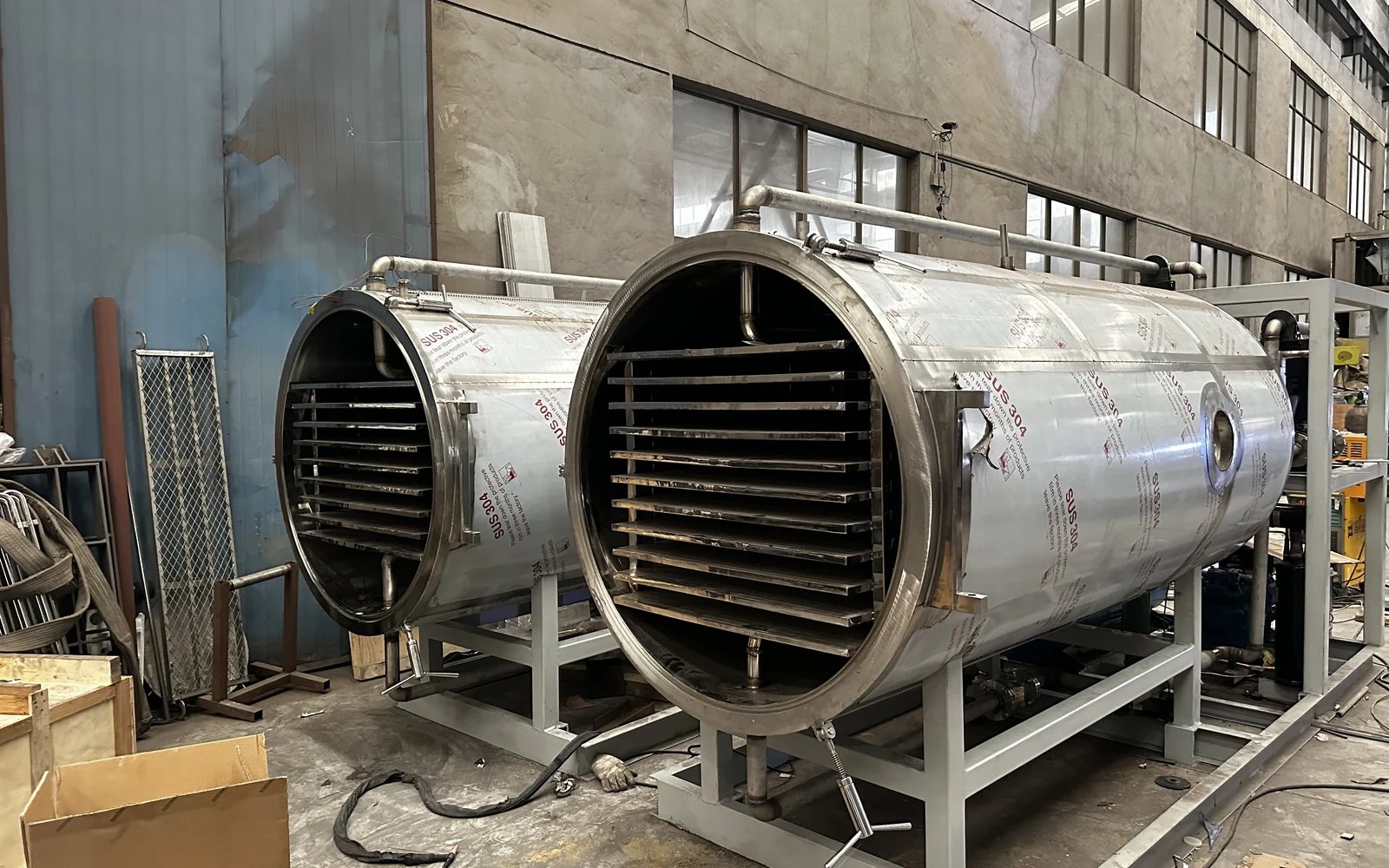
Related pages
HDF Freeze Dryer Catalog and Selection Guide
Compare current HDF freeze-dryer families, model ranges, verified catalog parameters, selection boundaries, utilities and technical review inputs.
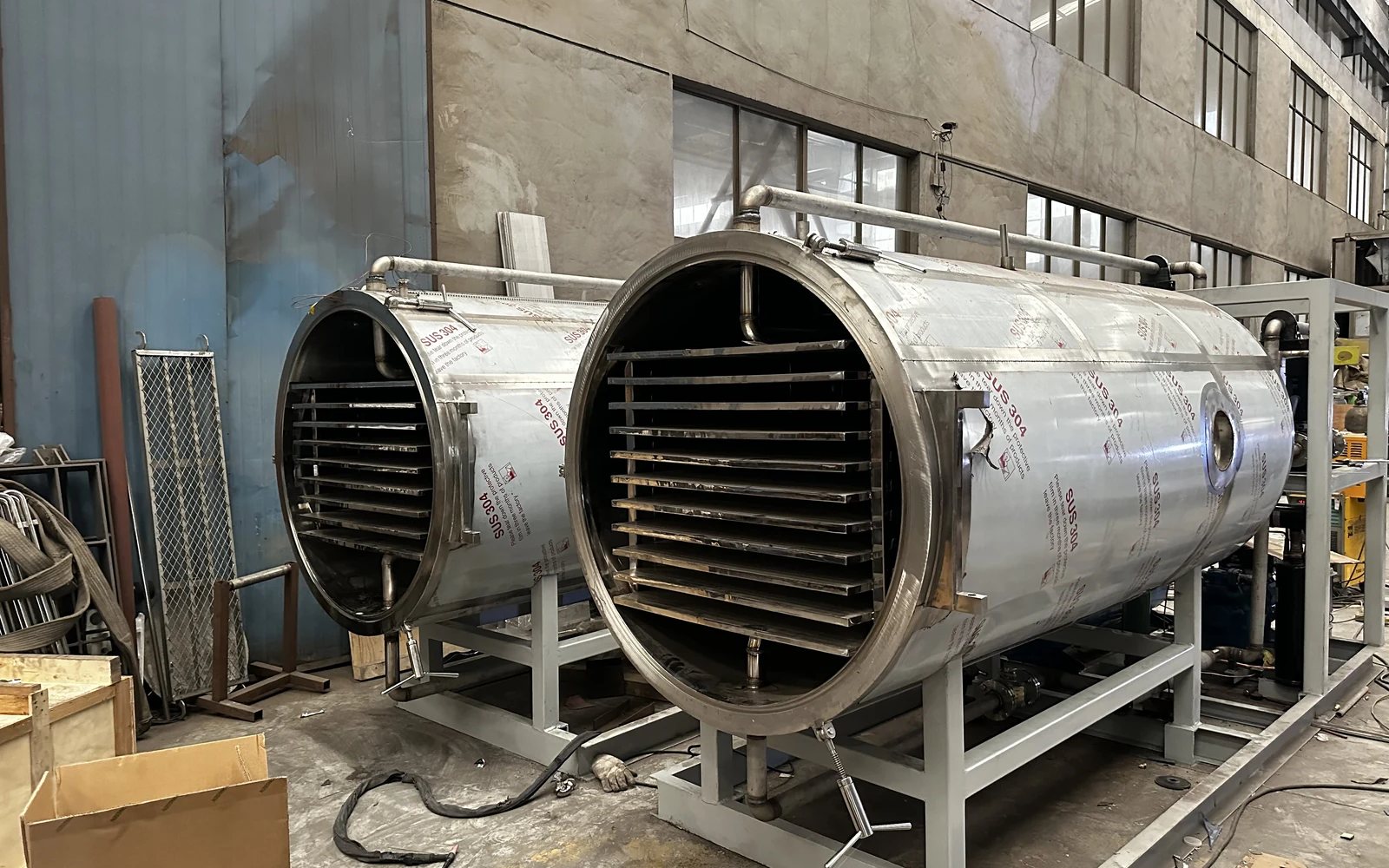
HDF Food Freeze Dryer Models
Compare HDF food freeze dryers from 1 to 200 m² by power, plate count, temperature, vacuum, loading, water capture, cooling and heating route.
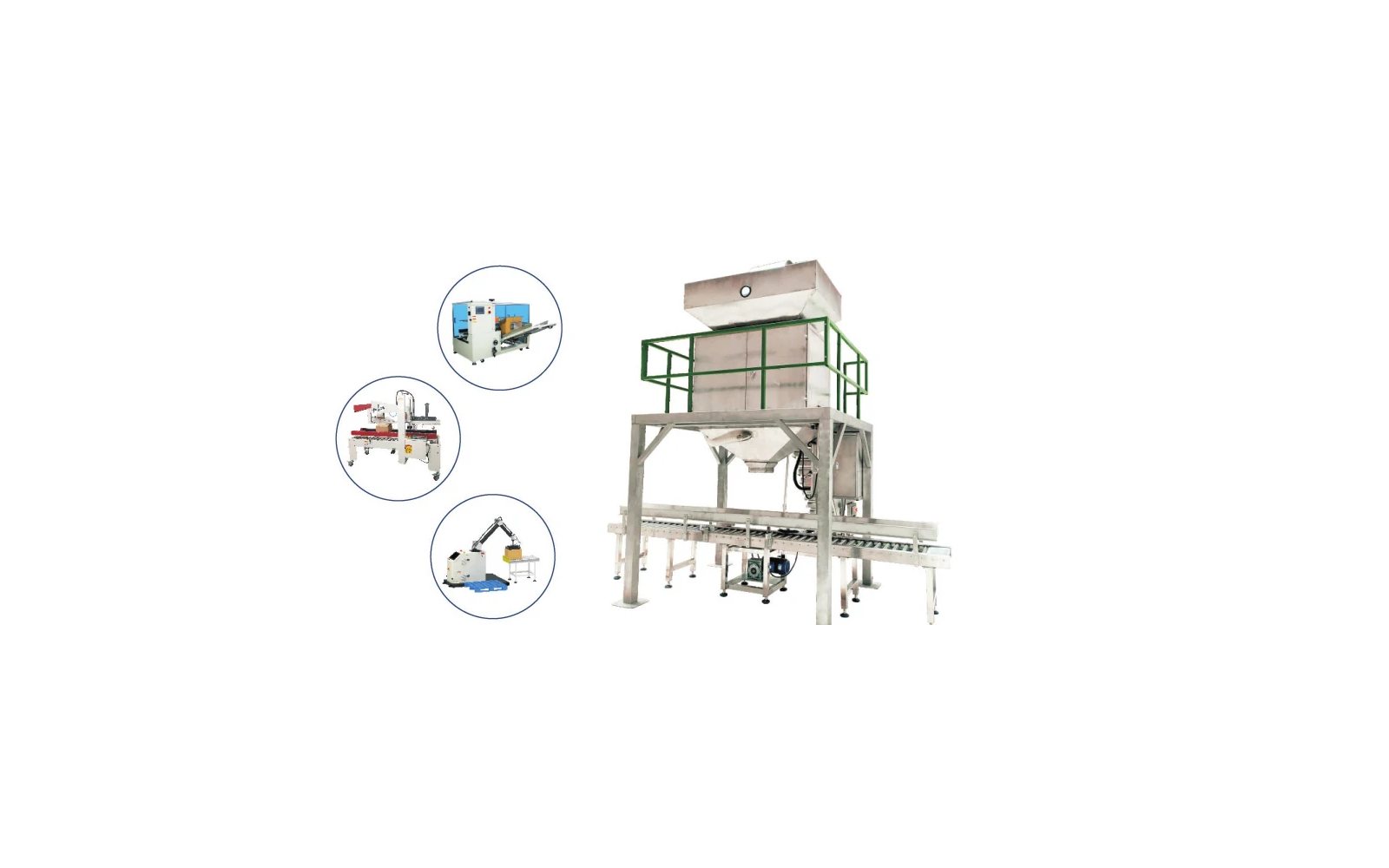
Bulk Powder and Granule Packaging Systems
Compare HDF bulk powder and granule packers, scales, mixers, feeders, elevators and conveyors by range, speed, power, air and dimensions.
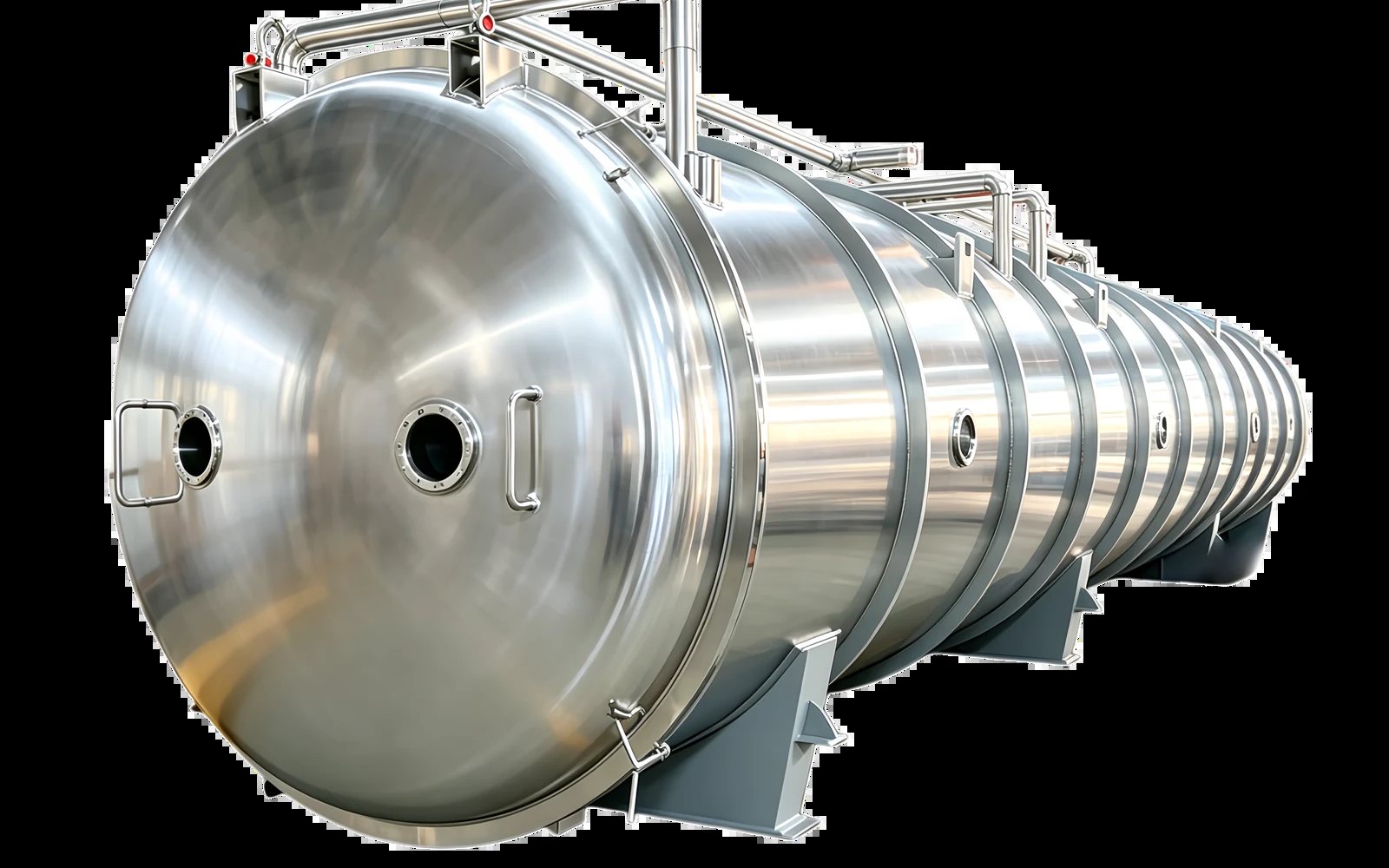
HDF Biomedical Freeze Dryer Models
Compare HDF biomedical freeze dryer model references by area, envelope, power, plates, temperature, vacuum, loading, water capture and cooling method.
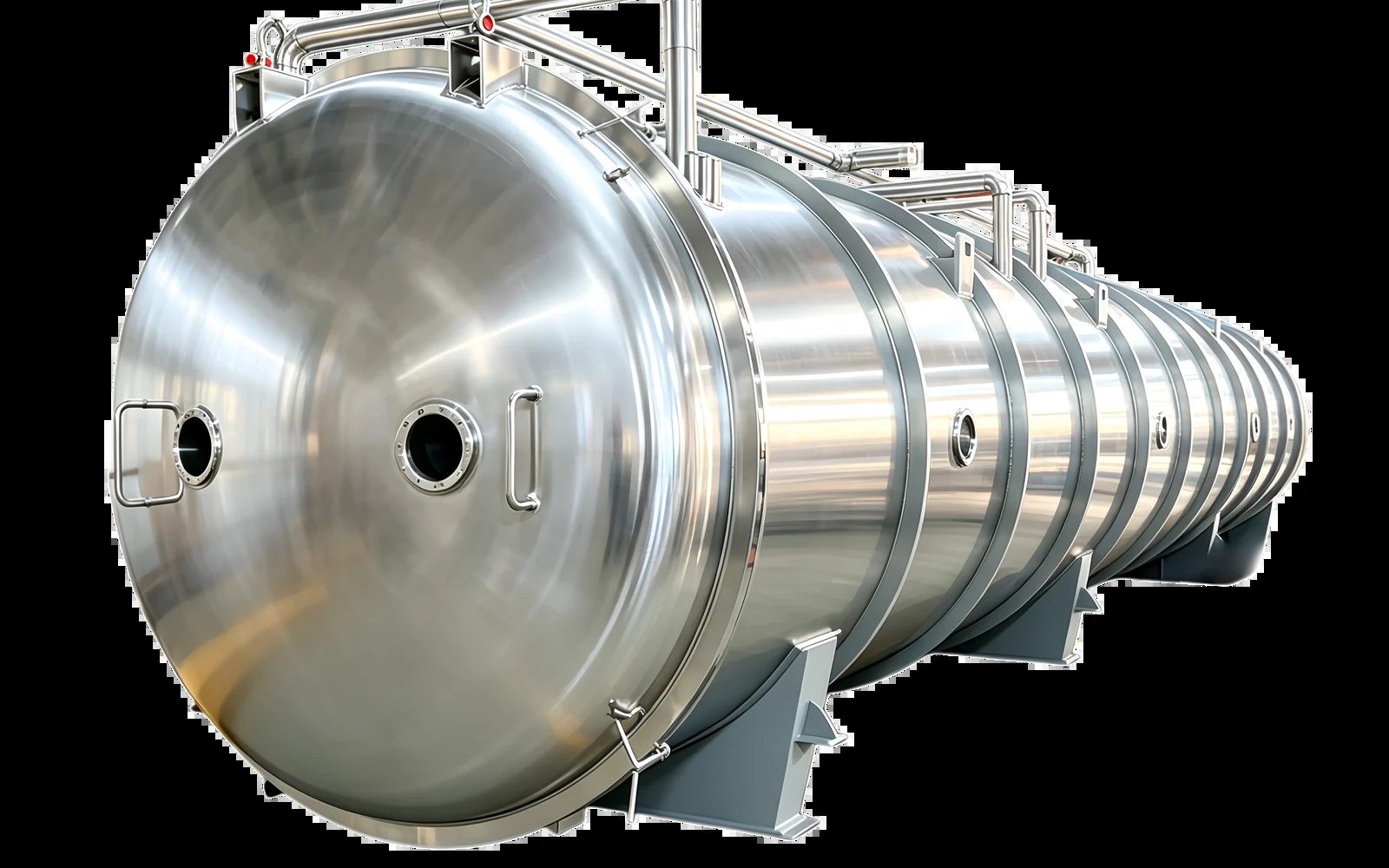
HDF Cover Type Freeze Dryer Models
Compare HDF cover type freeze dryers by area, envelope, power, plate count, temperature, vacuum, loading, water capture, cooling and heating route.
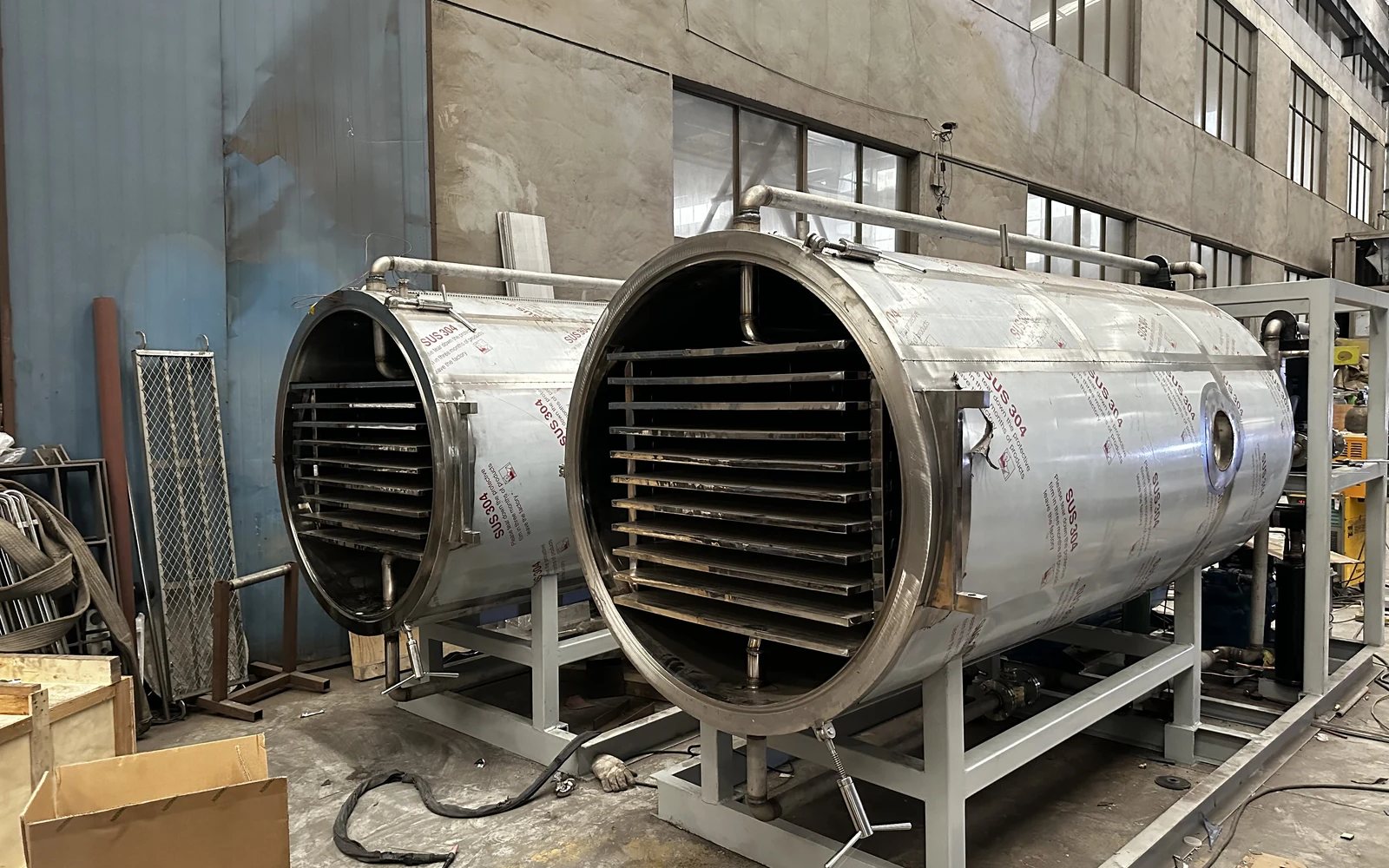
HDF Flip Plate Freeze Dryer Models
Compare HDF flip plate freeze dryers by area, envelope, power, plate size, temperatures, vacuum, loading, water capture and cooling route.