
Industry route / Fruit and vegetables
Fruit & Vegetable Processing Systems
Review the process, equipment duties and project boundary from one defined basis.
Select the Required Change in the Crop
The same washer or cutter can have a different duty depending on the incoming material, next process and acceptance requirement.
Protect appearance and surface condition.
Receiving → pre-clean → wash → inspect → trim or peel → cut → rinse → remove surface water → pack interface.
Link cut geometry to heating and cooling duty.
Preparation → cutting → rinsing → blanching or cooking → cooling → dewatering → downstream process.
Balance warm-side output with freezer loading.
Feed temperature, piece size, surface water, belt loading, frozen target and refrigeration boundary form one design basis.
Define particle profile and thermal process before vessel selection.
Sorting → washing → cutting or crushing → refining → blending → heating → filling interface.
Select the required change in the crop before choosing any machine. Processing fruit and vegetables means changing the crop: washing it, sorting it, cutting or peeling it, and removing the parts that cannot be sold. Write down what change you must make, and in what order, because the route follows from the change, not from a generic idea of processing.
Then record the crop's condition as it arrives. The variety, the maturity, the size range and the soil or field heat it carries all change how the crop must be handled, and they vary with the season. The machine that makes the required change on ideal material must still make it on the material that actually arrives.
Match Mechanical Action to the Crop
A reliable proposal records what can damage the product and where the inspection evidence will be collected.
- 01Incoming variabilitySize range, soil, foreign material, maturity, temperature and field damage.Sampling basis
- 02Cleaning intensityWater action, spray, brush contact and residence suited to the required result.Before/after inspection
- 03Geometry controlOrientation, tooling, cut dimensions, breakage and off-spec handling.Cut tolerance record
- 04Preservation handoffSurface water, product temperature and transfer into heating, freezing or packing.Interface condition
Incoming variability
Size range, soil, foreign material, maturity, temperature and field damage.
Cleaning intensity
Water action, spray, brush contact and residence suited to the required result.
Geometry control
Orientation, tooling, cut dimensions, breakage and off-spec handling.
Preservation handoff
Surface water, product temperature and transfer into heating, freezing or packing.
System responsibility map
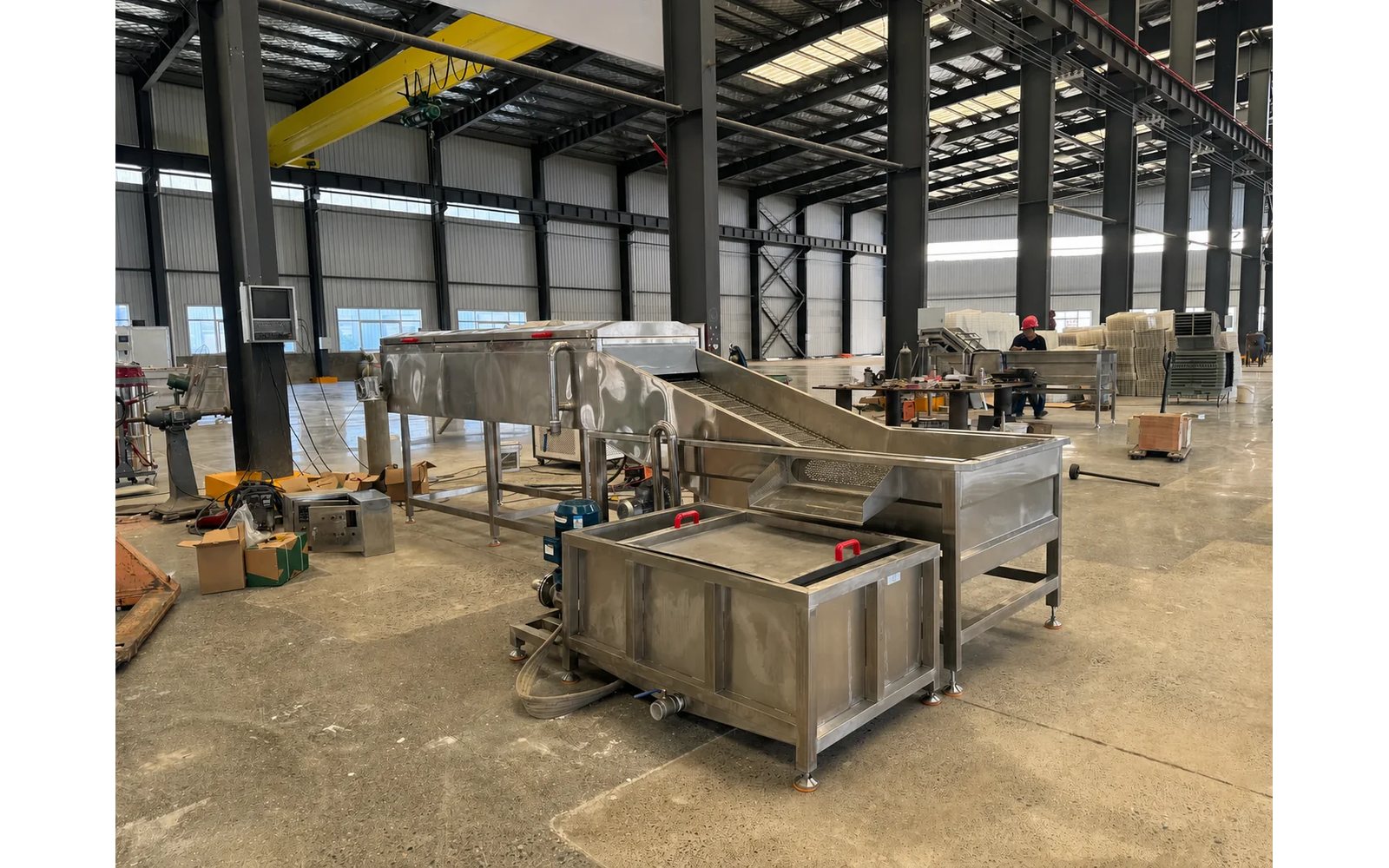
Match the mechanical action to the crop, because fruit and vegetables damage easily. A brush washer that cleans a root crop will bruise a berry, a cutter that dices a firm carrot will crush a ripe tomato, and a conveyor that carries a whole squash will break a leaf. Each stage must apply the gentlest action that still makes the required change.
Test the mechanical action on representative material before the line is fixed. Include the softest and smallest produce in the range and the produce at the start and end of the season, and measure the damage and the yield. The line is then specified for the crop it will actually process, not for the best sample in a brochure.
Define Every Product, Water and Waste Handoff
Model selection follows the complete route and factory boundary.
Inspection and pre-cleaning
Control incoming packaging, field debris and reject routes.
Washing and peeling
W600-2.5M, W600-3M and B600-6M are model values for defined duties.
Cutting and sorting
301 and 680 references cover different product and geometry duties.
Heat, cool, freeze or dry
Downstream selection starts from product condition and required endpoint.
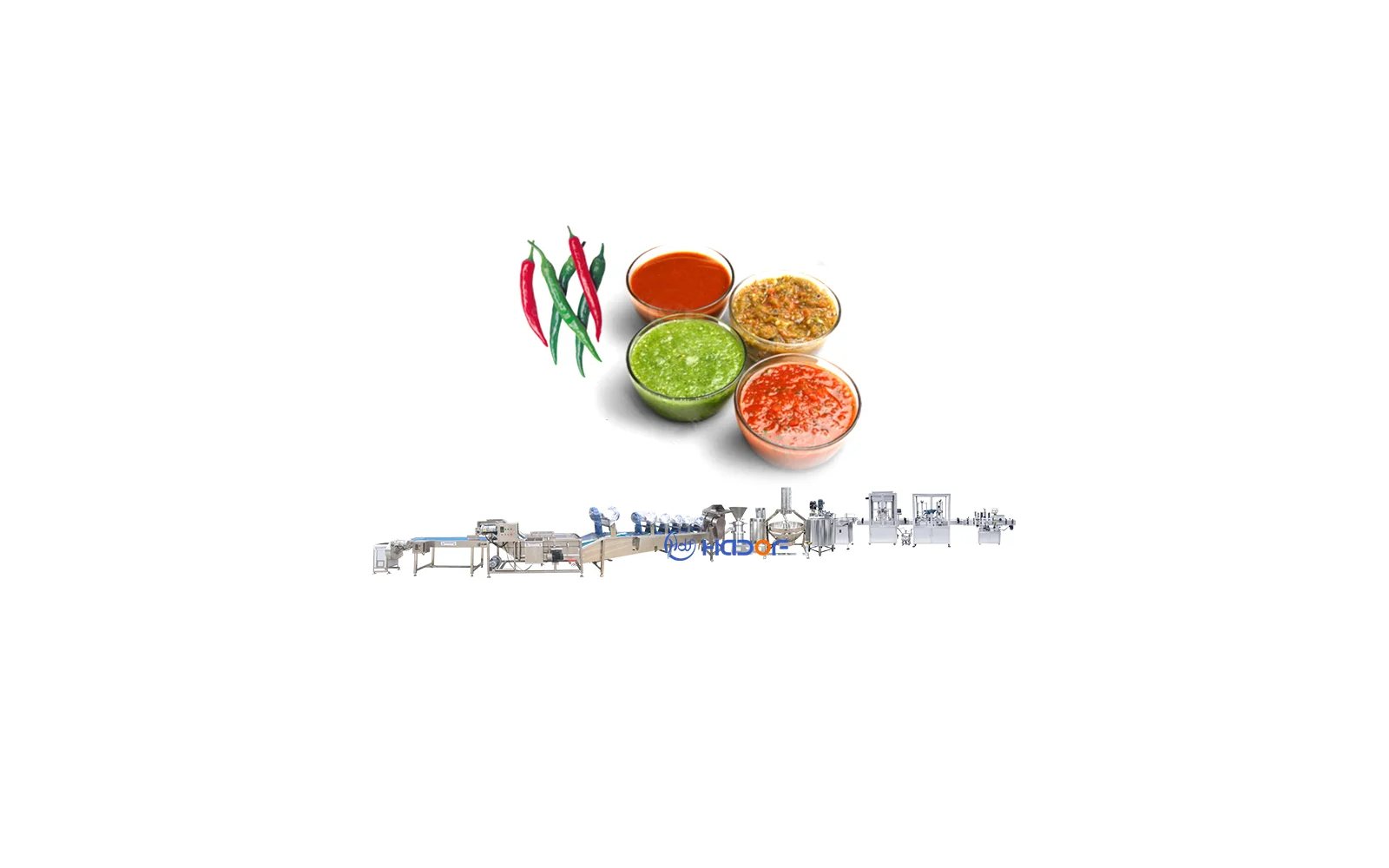
Define every product, water and waste handoff. Fruit and vegetable processing is also a water and waste operation: water enters for washing and leaves carrying soil, peel and organic matter, and each handoff between stages must be defined. A line that moves the product well but has nowhere for its waste will stop as surely as a broken machine.
Write the condition of the product, the water and the waste at every boundary. The product must arrive at the next stage at the right size and surface moisture, the water must be cleaned or discharged, and the waste must leave the production area without contaminating the product. The handoffs are what make the line a system rather than a row of machines.
The handoffs are what make the line a system rather than a row of machines.
The water must be cleaned or discharged, and the waste must leave the area without contaminating the product.
Move From Crop Description to Acceptance Plan
Each missing value must be named, assigned and kept visible in the technical review.
| Product file | Images, samples, variety, size distribution, contamination and seasonal range. |
|---|---|
| Finished specification | Cut format, appearance, temperature, moisture, frozen state or pack handoff. |
| Operating schedule | Required output, peak periods, shifts, recipes, cleaning and maintenance windows. |
| Factory boundary | Layout, access, water quality, drainage, heat, cooling, waste and control signals. |
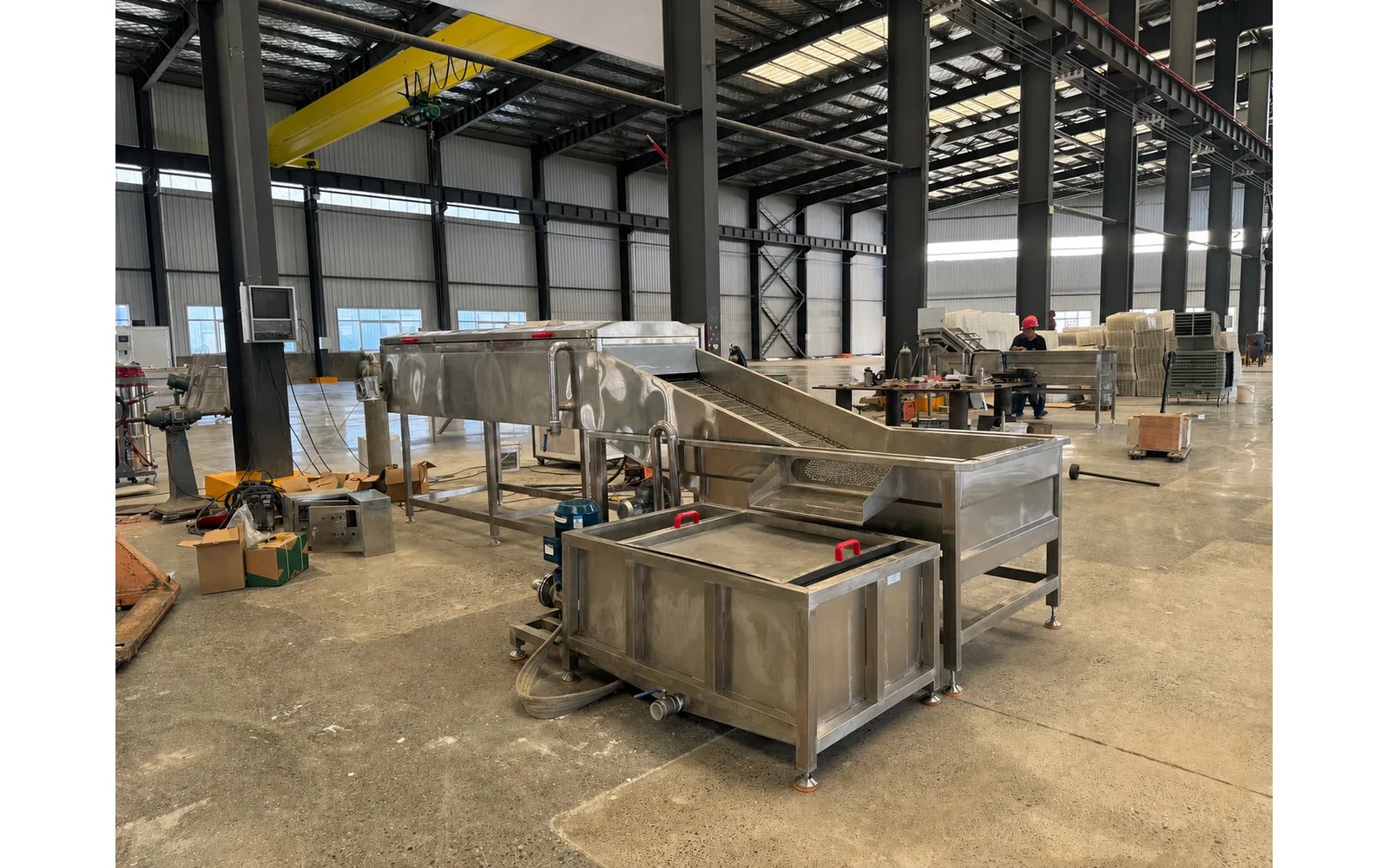
Move from the crop description to an acceptance plan in one step. The crop description says what will be processed; the acceptance plan says how the result will be measured and what is good enough. Without the second, the line can be delivered and still fail, because there is no written definition of a successful result.
Write the measurements into the acceptance plan: the cleanliness, the cut size and fines, the surface moisture and the yield, and the sampling method for each. Then run the same measurements at the factory and on site, so acceptance compares two readings of the same thing rather than two different demonstrations.
Without a written acceptance plan, the line can be delivered and still fail, because no one defined a successful result.
Write the cleanliness, the cut size and fines, the surface moisture and the yield, and the sampling method for each.
Continue the Technical Review
Guatemala Vegetable Washing & Drying Line
Documented project context with a defined decision scope.
Vegetable Washing Equipment
Review washing action, water boundary and published model references.
Prepare a Product and Factory Brief
Structure raw material, target, utilities and layout information.
| Raw-material input | Provide crop, variety, size range, incoming condition and representative samples |
|---|---|
| Finished-format input | Define cut, wash, thermal, frozen or pack-handoff result |
| Sizing input | Provide kg/h or batches per day plus peak season and operating schedule |
Frequently asked questions
How is washing intensity selected for fruit or vegetables?
Can catalog washer output be used as finished-line capacity?
What factory information is required for a produce-processing review?
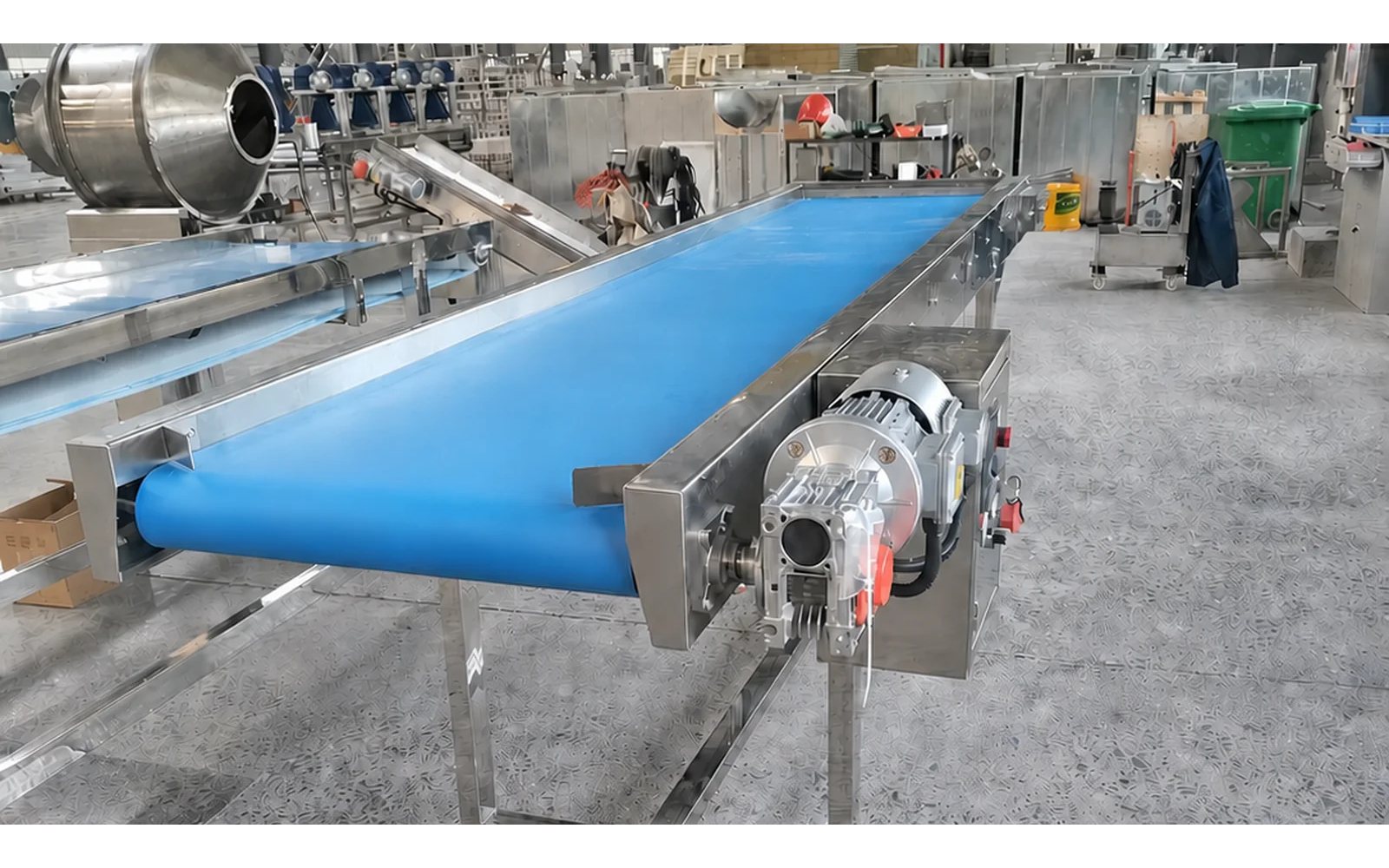
Continue the technical review past the equipment list and into the details that decide the line. Confirm the washing action, the cutting and grading, the dewatering and the packing handoff, and ask for the trial evidence on your crop. The review is where a promising list becomes a defensible configuration.
Keep the crop basis attached to every question. A line that performed for one variety or one season must be re-checked against the crop you will actually process, and the review is complete only when the buyer can explain why each machine is there and what evidence supports it.
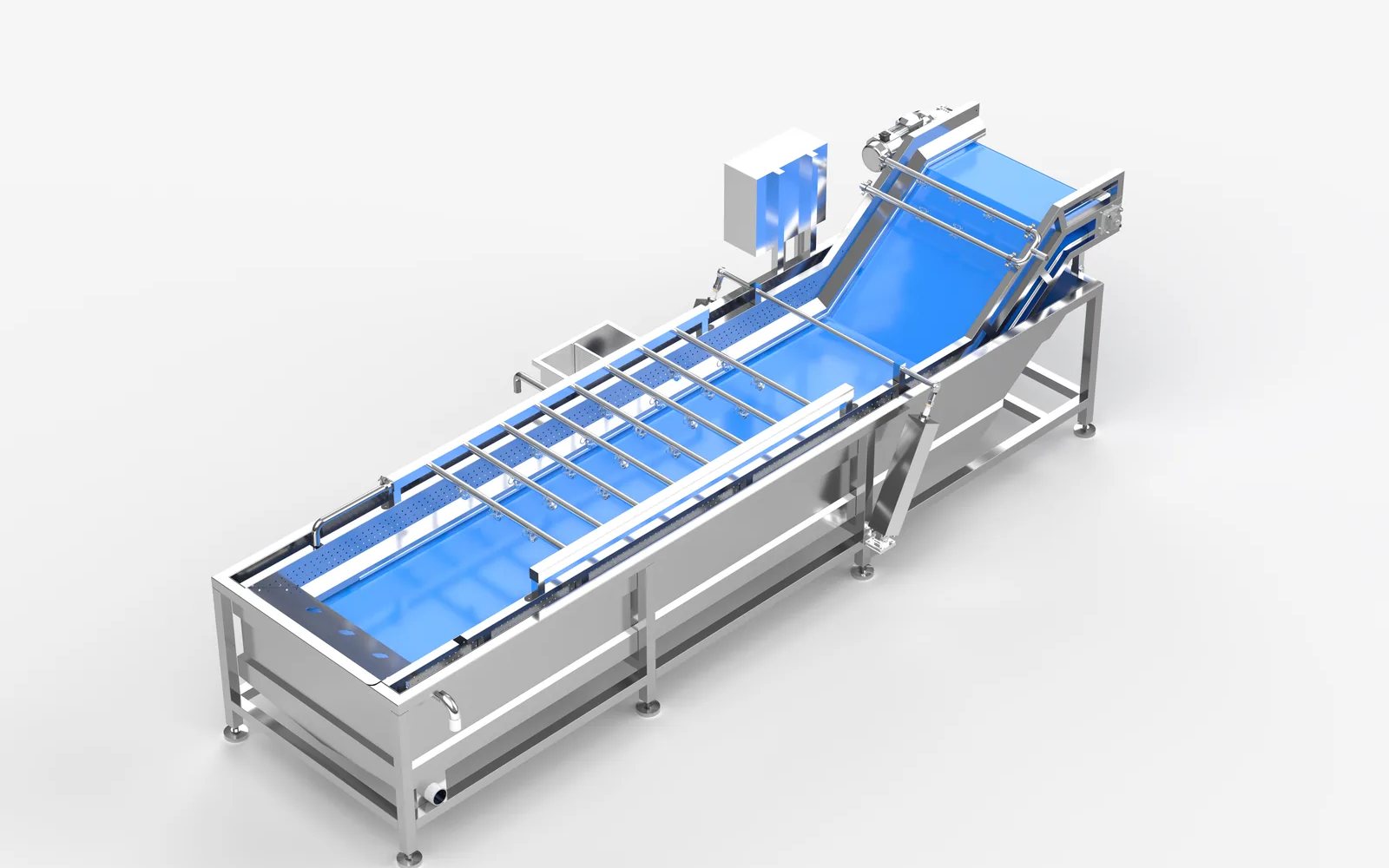
Plan the Seasonal Swing Before the Line Is Fixed
The crop changes with the season
Plan the seasonal swing before the line is fixed. Fruit and vegetable processors often face a harvest that peaks for a few weeks and then changes variety or stops, and the line must either run through the peak or be flexible enough to switch crops. Decide whether the line is built for one crop's peak or for a rotating range, because that changes the capacity and the changeover design.
Where the line must switch crops, make the changeover part of the specification. Quick-release parts, accessible cleaning and adjustable settings are worth more than raw speed when the crop changes every few weeks, and the line's annual output should be calculated across the whole season rather than from the best week.
Decide whether the line runs one crop's peak or a rotating range, because that changes the capacity and the changeover design. When the crop changes every few weeks, quick-release parts and adjustable settings are worth more than raw speed, and the annual output must be calculated across the whole season.
The line's annual output should be calculated across the whole season rather than from the best week.
Make the changeover part of the specification, and the seasonal flexibility becomes a measured capability.
Related pages
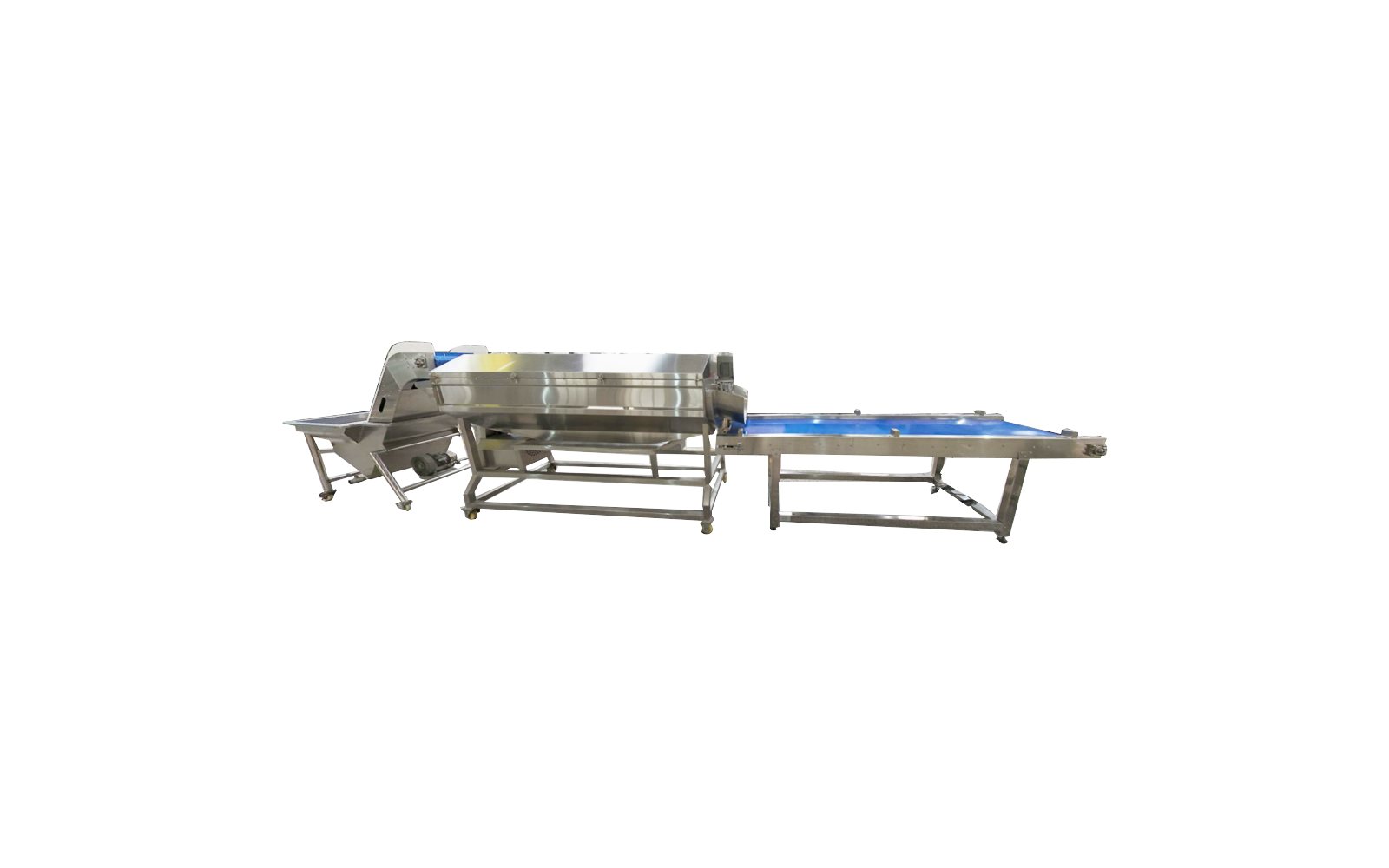
Vegetable Processing Line
Configure root, leafy or mixed vegetable preparation around product risks, washing and cutting duties, water, factory interfaces and acceptance.
Vegetable Washing Equipment
Compare verified Hadof washer references, washing mechanisms, product risks, line interfaces, test evidence and project configuration inputs.
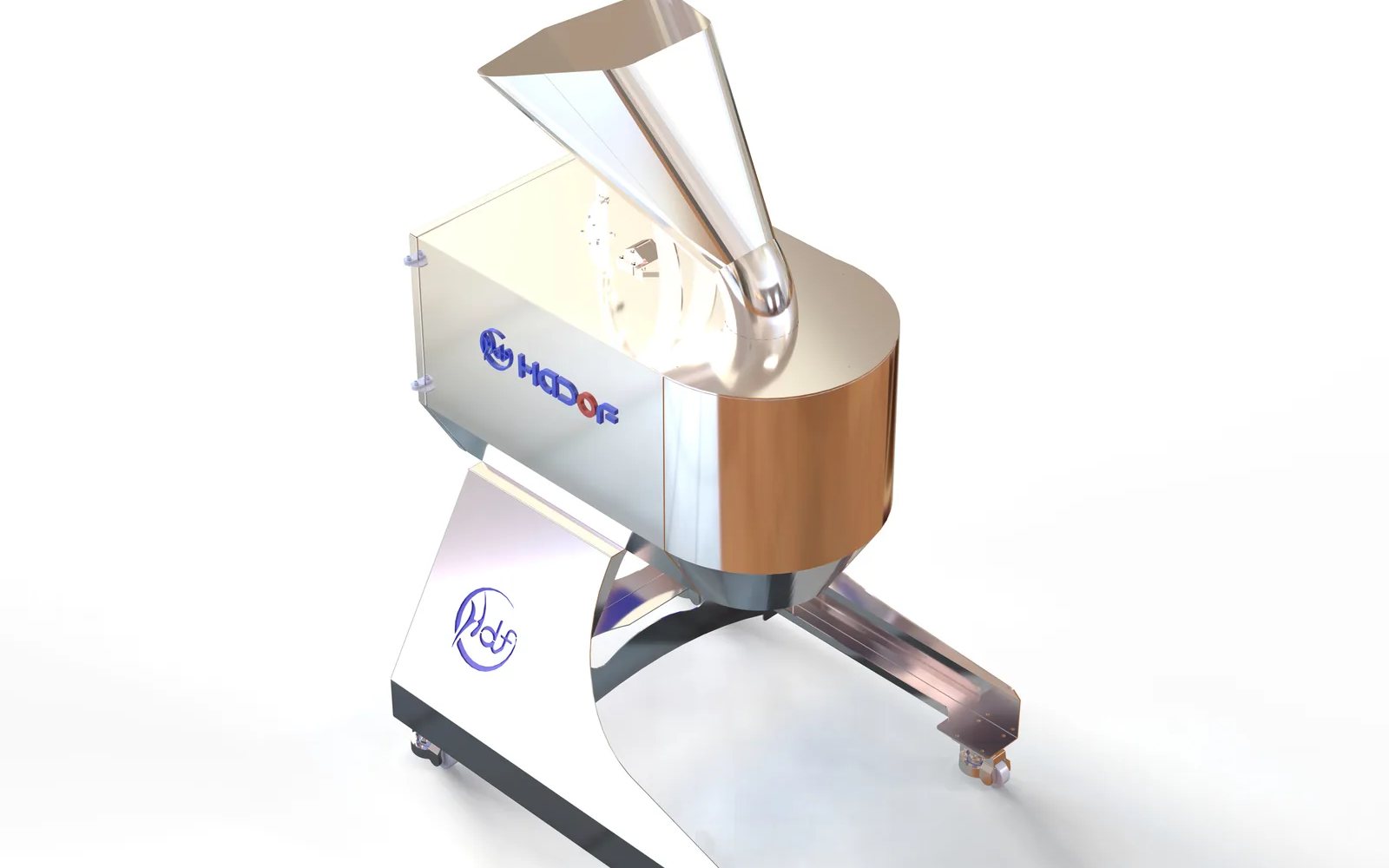
Vegetable Cutting Machine
Compare verified Hadof vegetable cutter references by crop, finished geometry, tooling, output, line handoff and acceptance requirements.
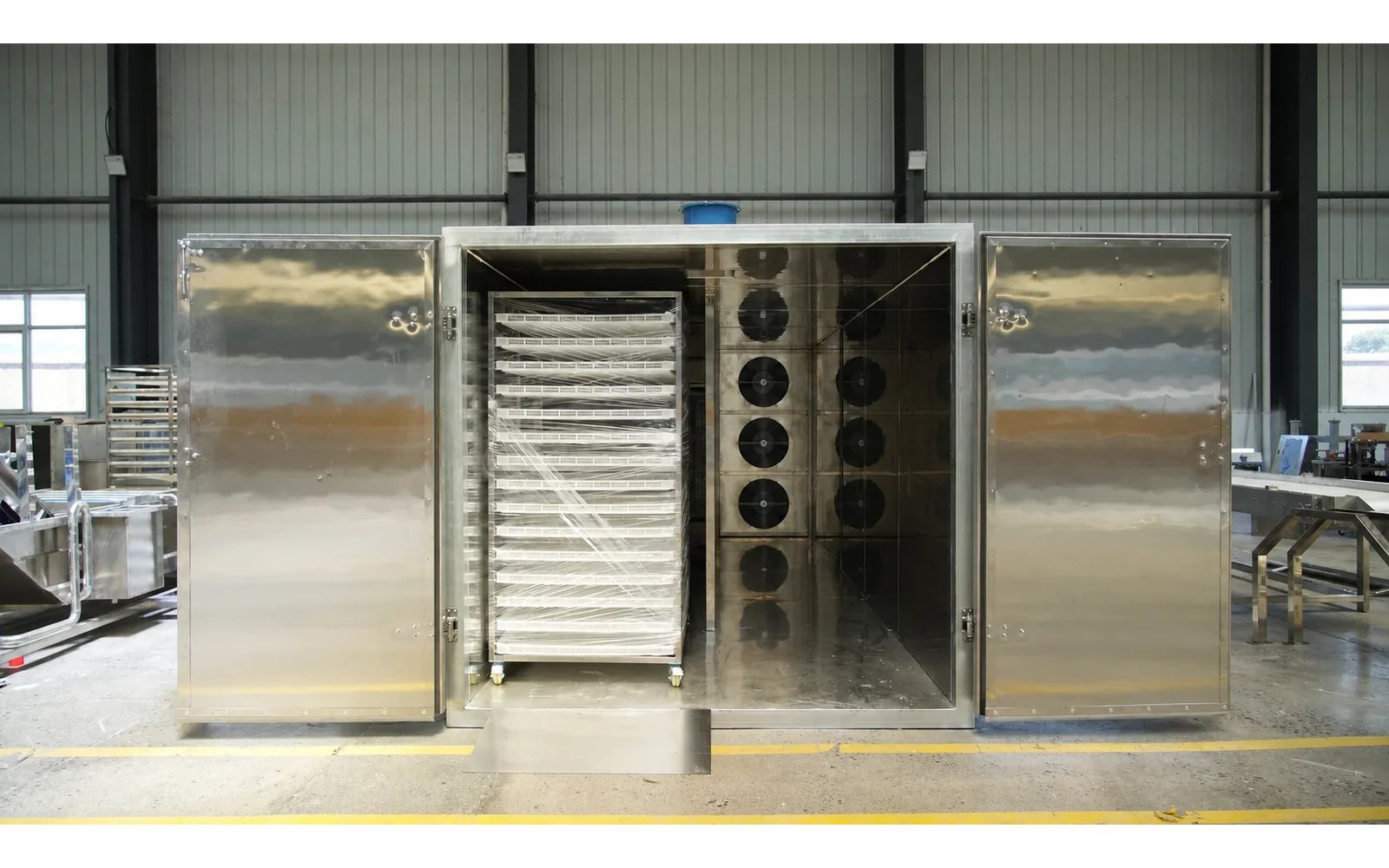
Food Drying Chamber
Review food drying chamber suitability, water-removal duty, tray loading, airflow, heat source, batch rhythm, testing and delivery boundaries.
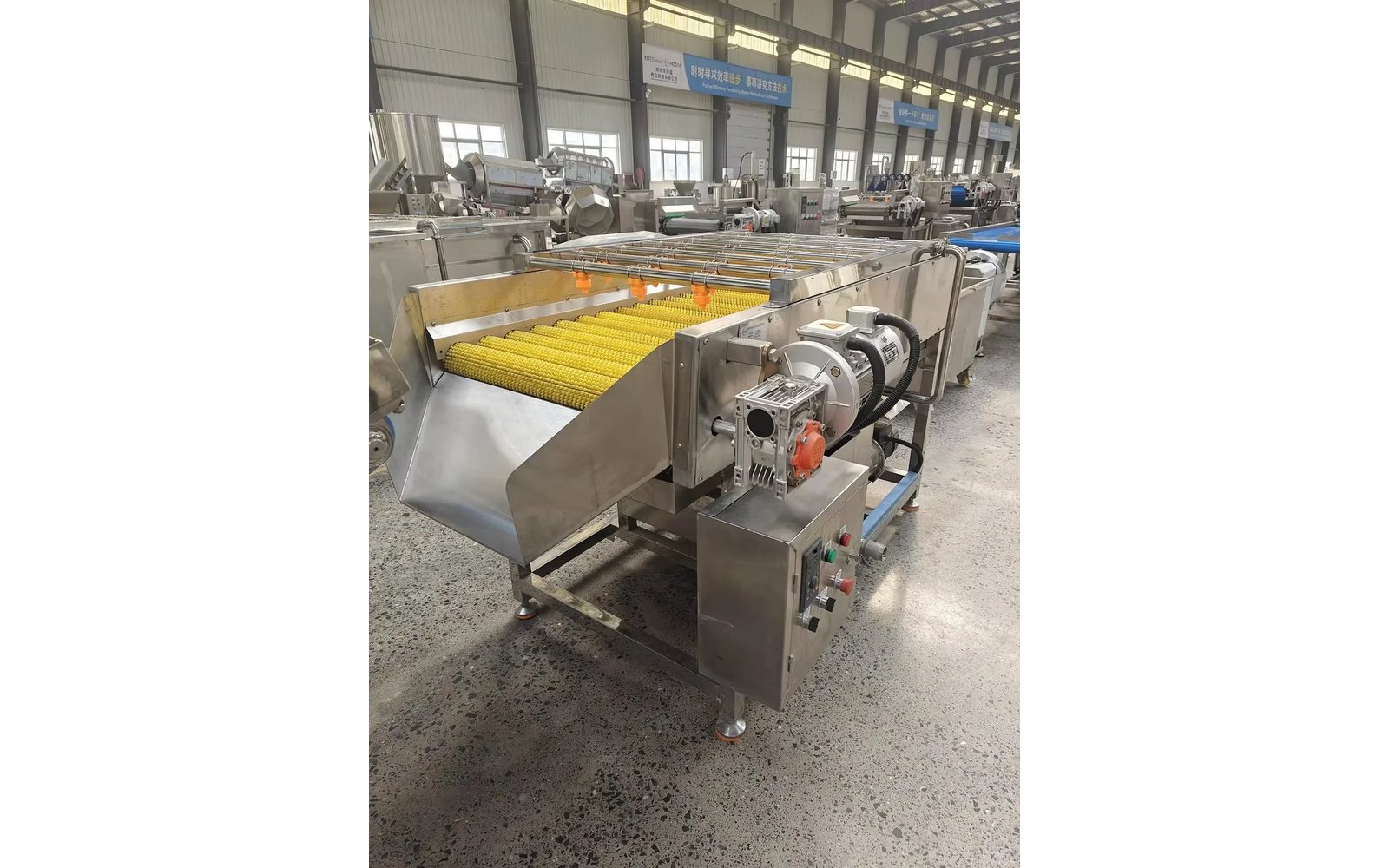
Vegetable Line Batch Optimization
Diagnose vegetable washing, cutting and transfer constraints through product inputs, parameter consequences, tests and line-balance evidence.