
Food Drying Chamber
Review the process, equipment duties and project boundary from one defined basis.
Match the Drying Review to the Product Bed
Application workbench
Begin with the product bed, not the chamber volume. Record the material, its initial moisture, the target final moisture, the piece size and whether the bed is trays on racks, a trolley load, or a loose bed on mesh. A chamber that dries sliced fruit on perforated trays is a different thermal and airflow problem from one that dries herbs spread on a fine mesh, even when both hold the same nominal capacity.
The bed depth and air path decide how evenly the product dries. A bed that is too deep dries unevenly from top to bottom; a bed that is too shallow wastes chamber space and energy. Confirm how the product is loaded, turned or mixed during drying, and whether the material shrinks, sticks or releases fines as it dries, because those behaviours change the tray design and the air velocity.
Confirm how the product is turned or moved during drying, because a bed that dries unevenly at the edges or the bottom produces a mixture of over-dried and under-dried material that no average moisture reading will reveal.
Record the loading depth and the air path, because the edges of the bed dry differently from the centre.
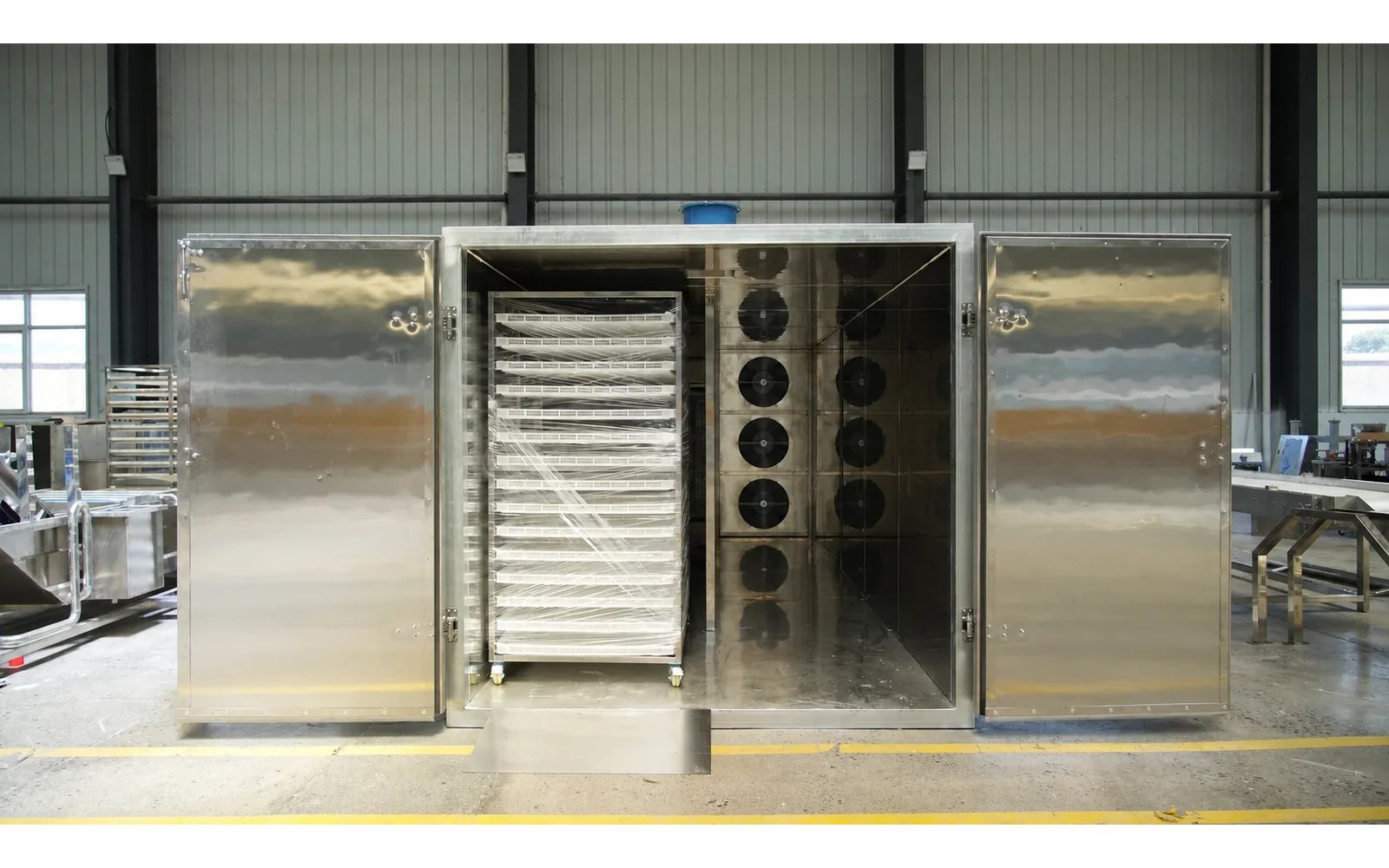
Control Heat, Air and Moisture Removal as One Sequence
Batch-system architecture
Drying is one sequence with three controls: heat input, air movement and moisture removal. Raising temperature alone does not dry faster if the air cannot carry moisture away, and high airflow does not help if the air is already saturated. Specify the drying curve for your product, then size the heater, the fan and the exhaust or dehumidification together so the chamber follows that curve.
Record how temperature and humidity are sensed and controlled. A chamber with a single sensor in the return air may not represent the product bed, while staged control with probes in the drying air and the exhaust gives a more even result. For heat-sensitive products, agree the maximum product temperature rather than the air setpoint, because the product temperature, not the heater setting, determines quality.
Agree the maximum product temperature rather than the air setpoint, since the product temperature is what determines quality while the air setpoint is only the means of reaching it.
The product temperature, not the air setpoint, is the limit you are actually protecting.
The product temperature, not the air setpoint, is the quality limit you are protecting.
Protect the product temperature, because that is the limit that actually determines quality.
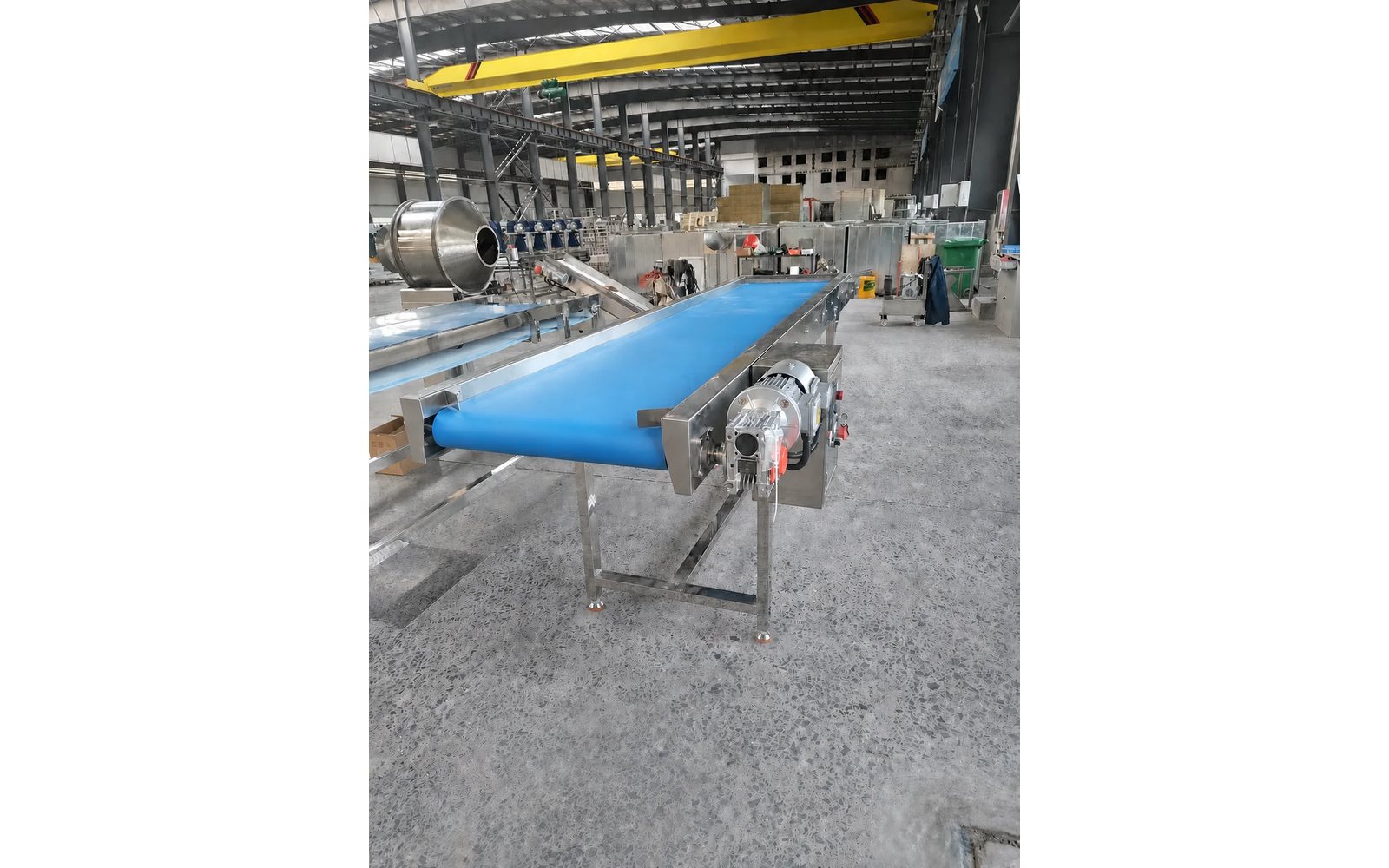
Release the Chamber, Rack Flow and Utilities Together
Configuration and factory fit
The chamber only works when the racks, trolleys and utilities fit together. Confirm the door opening, the internal clearances, and how loaded racks move in and out, including whether the floor is level enough for trolleys and whether there is turning space outside the door. A chamber that is specified in isolation often fits the product but not the loading route.
Release the utilities at the same time. Name the heating source and its capacity, the electrical supply for the fan and controls, the exhaust route for moist air, and any steam, drainage or cleaning services. If moist exhaust is vented into the building, condensation and mould become site problems, so the exhaust path belongs in the layout and the quotation rather than in an assumption.
Check the door swing, the trolley turning space and the floor level as part of the specification, because a chamber that fits the product but not the loading route adds handling time to every single cycle.
A chamber that fits the product but not the trolley route adds handling time to every single batch.
Releasing them as one layout prevents the loading route from being designed twice.
Release them together so the loading route is never designed twice.
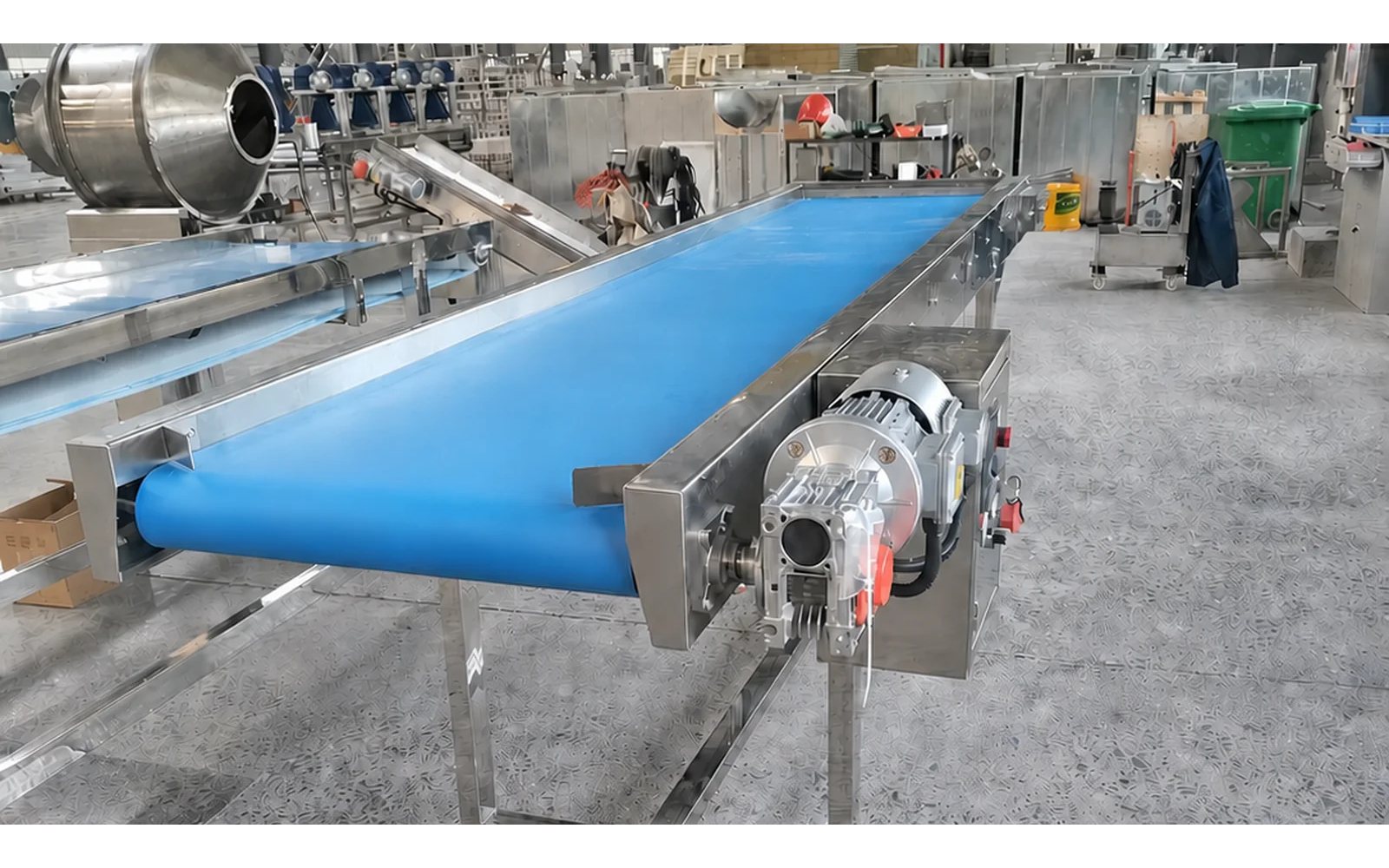
Agree the Load and Sampling Method Before the Trial
A dry factory run can verify fans, controls and mechanical operation. It cannot prove the buyer's food result without representative product and an approved measurement method.
Identify the load
Record product lot, preparation, piece-size range, initial condition and loaded mass.
Map the chamber
Record tray count, depth, positions and any instrumented or deliberately empty locations.
Run the recipe
Capture time, control settings, interruptions and observations included in the test scope.
Measure the endpoint
Sample agreed positions after the defined cooling or conditioning period and record variation.
A drying trial is only useful if the load and sampling method are agreed first. State the product, the initial moisture, the target final moisture, the tray loading, and how the product will be sampled and tested during the run. Without a defined sampling plan, a trial produces a tray of dry product but no evidence about how evenly or repeatably the chamber dried it.
Agree the acceptance measure in advance. Will you measure final moisture at several tray positions, record the drying time, or test a quality attribute such as colour or rehydration? Sampling from the corners, the centre and the top and bottom of the bed exposes airflow differences that a single sample hides, and it is the cheapest way to find the problem before the chamber is bought.
Build the Water-Removal Duty Before Selecting Chamber Size
Technical and commercial record
| Reviewed equipment family | Batch food drying chamber with project-selected trays or trolleys, airflow, heat and controls |
|---|---|
| Required product basis | Prepared food, dimensions, initial condition, measured initial moisture or solids and permitted temperature |
| Required endpoint basis | Final moisture or agreed product endpoint, sample positions, method and conditioning time |
| Required production basis | Mass per batch, tray loading, batches per day, changeovers, cooling and packaging handoff |
| Project result boundary | Chamber size, recipe, drying time, heat demand and product result require representative-product review |
Frequently asked questions
Which food data is required before selecting a drying chamber?
Does chamber volume define the finished output?
How is a food drying chamber different from a freeze dryer?
Can a dry factory test prove the food drying result?
What affects the drying chamber quotation?
Size the chamber from the water it must remove, not from a tray count. Convert the product's initial and final moisture into kilograms of water per hour, then check whether the chamber's heating and airflow can remove that water at the product temperature you accept. A chamber that holds enough trays but cannot remove the water will stall part-way through the cycle.
Work the calculation with a margin for real conditions. Ambient humidity, loading losses and product variation all reduce the effective drying rate, so a chamber sized exactly to a laboratory curve will miss its cycle time in the factory. Once the water-removal duty is fixed, the chamber volume, fan and heater follow logically instead of being chosen from a catalog photograph.
Carry the Drying Basis Into Quotation and Acceptance
One drying basis from trial to site
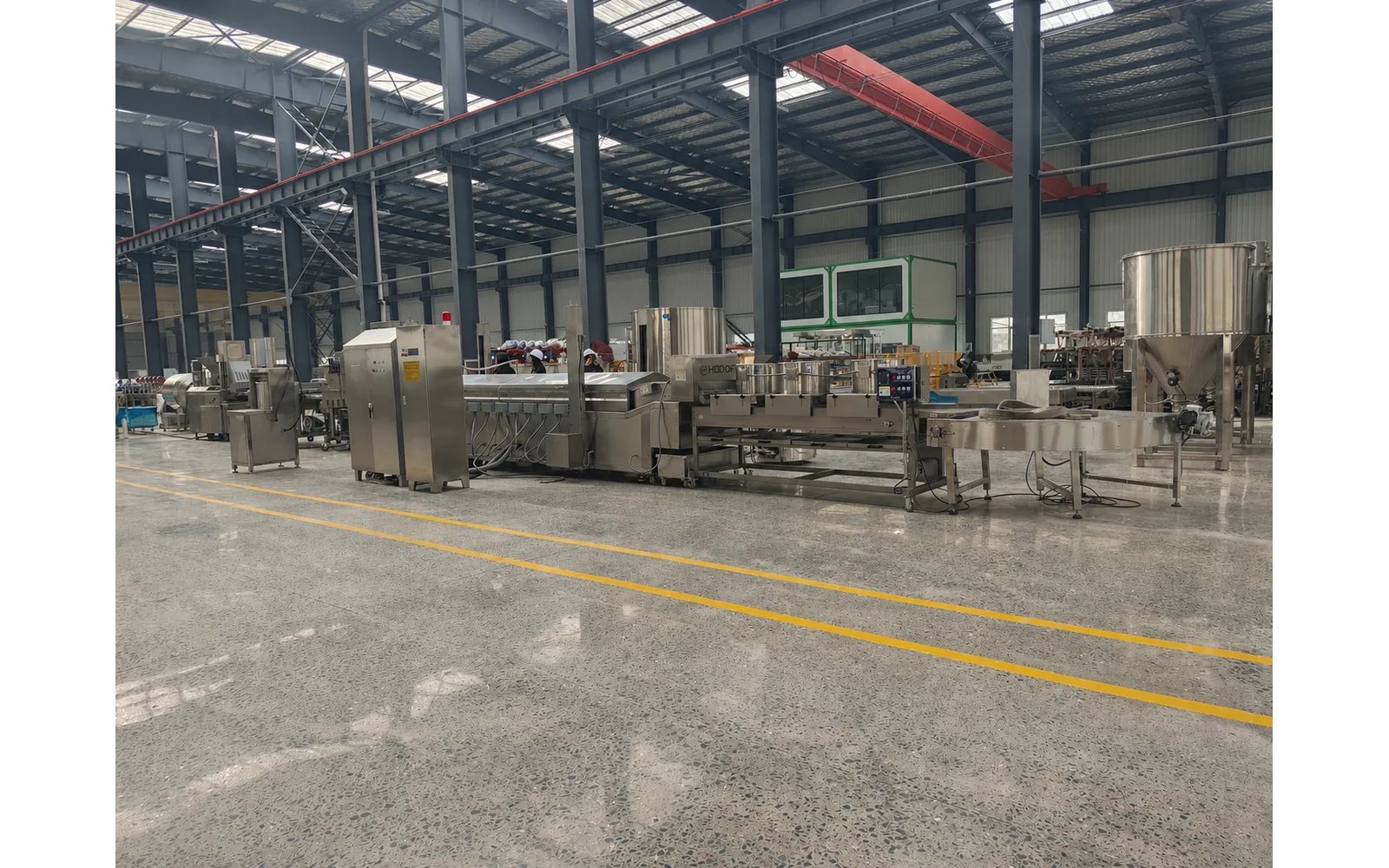
Carry the agreed drying basis all the way from the trial into the quotation and the acceptance test. Write the product, initial and final moisture, tray loading, cycle time, temperature limits and sampling plan into the scope so the chamber you buy is the chamber that was tested. A quotation that only names the chamber size leaves room for a different fan, heater or control package than the one that produced the trial result.
At acceptance, repeat the same measurement plan in your factory. Load the product the same way, sample the same positions and test the same moisture target, then compare the result with the trial record. When the basis is carried through, the buyer gets evidence the chamber performs; when it is not, the buyer gets an argument about whose fault the uneven drying was.
Record the same sampling positions and moisture targets at the factory and at the site, so the acceptance test compares two measurements of the same thing instead of two different demonstrations.
Comparing the same sampling positions and moisture targets at the factory and on site turns acceptance into a measurement, not a second demonstration.
When the same basis survives from trial to site, acceptance is a comparison of measurements, not a second opinion.
Related pages
Vegetable Processing Line
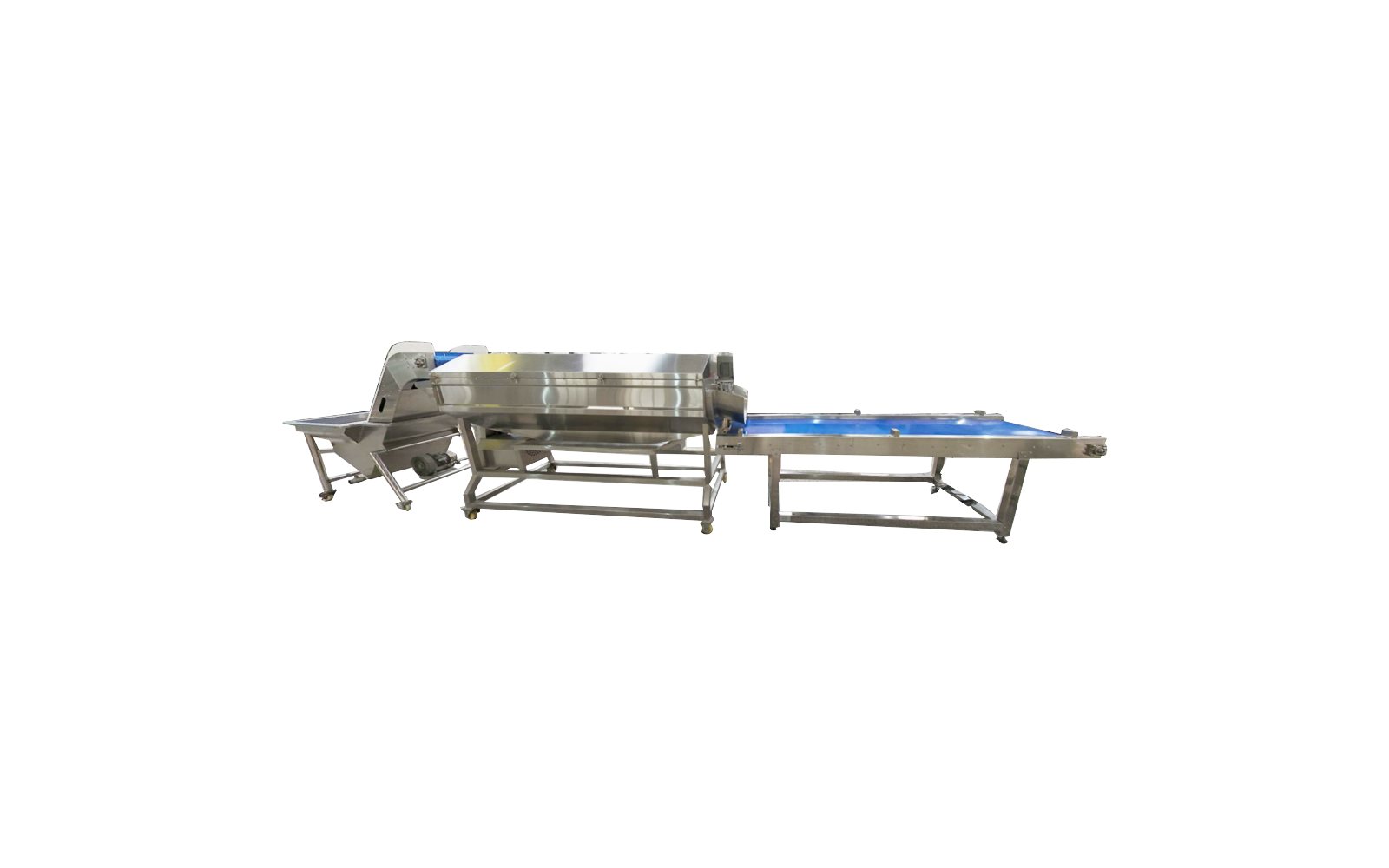
Configure root, leafy or mixed vegetable preparation around product risks, washing and cutting duties, water, factory interfaces and acceptance.
Vegetable Washing, Drying and Sorting Line
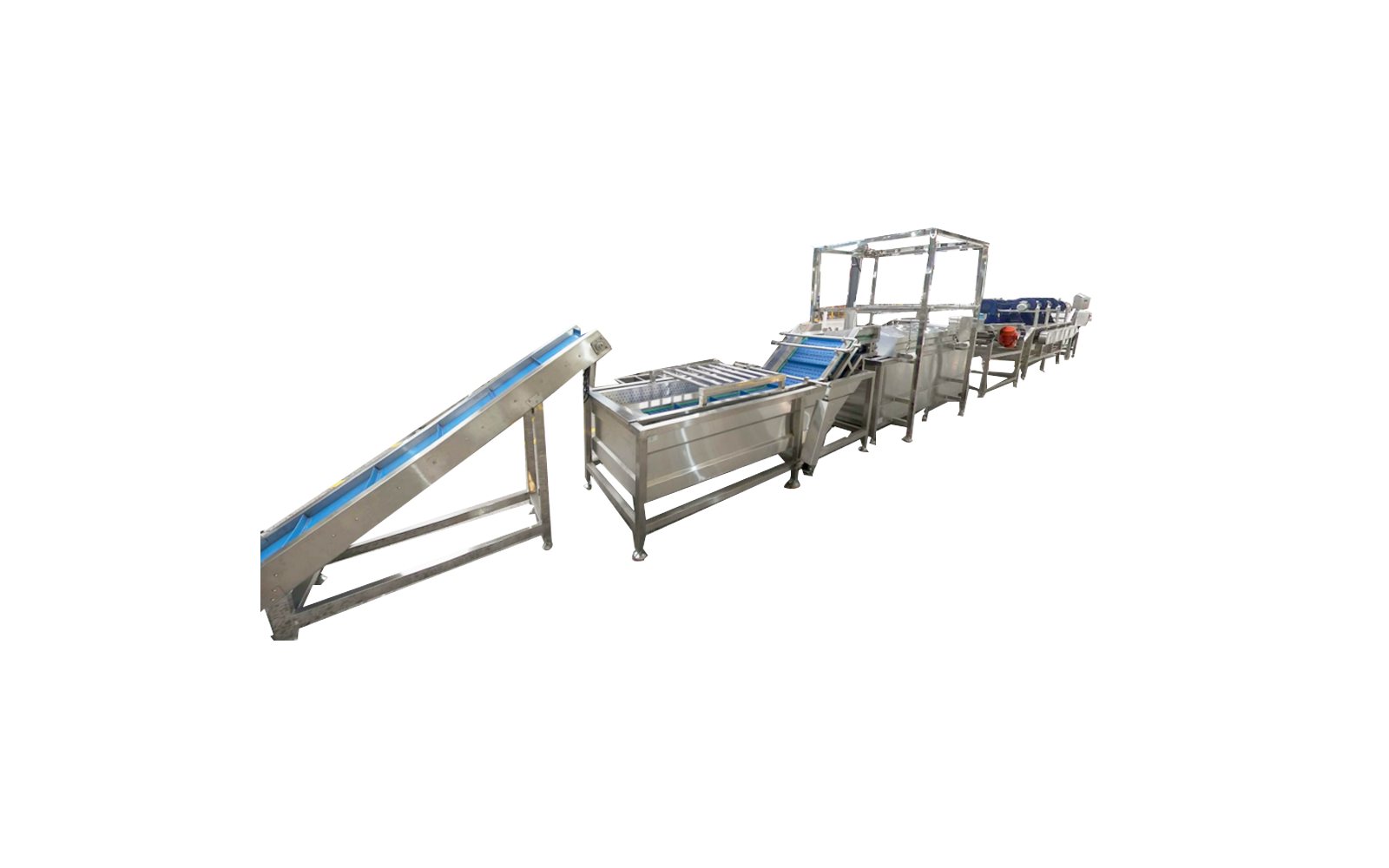
Review the verified four-unit scope of a Guatemala vegetable washing, air-drying and sorting project, including evidence limits and buyer inputs.
Fruit & Vegetable Processing Systems
Configure washing, peeling, cutting, thermal preparation, freezing or sauce processing around crop condition and finished-product requirements.
Nigeria Food Processing Market
Documented Nigeria food processing demand: cassava, flour, sugar and edible oil with SONCAP/NAFDAC and payment entry requirements.
Dehydrated Vegetable Line
Configure vegetable washing, cutting, blanching, drying and packing for dehydrated vegetables and powders.
Mango Drying Line
Configure mango washing, peeling, destoning, sugar infusion and drying into a dried-mango line.