
Markets / Indonesia
Indonesia Food Processing Market
Documented demand signals and entry requirements for packaging, noodles, snacks and palm-oil processing in Indonesia.
- ~280MPopulation
- ~$145BF&B market
- ~$25B (2025)Machinery market
- Halal / LCTCompliance
Market Snapshot
Indonesia is Southeast Asia's largest food and beverage market with a heavily imported machinery base. Documented demand concentrates on packaging, noodle and rice lines, bakery, frying and seasoning, and palm-oil refining. Palm oil, rice, corn and cassava anchor the crop base, and an island distribution model favors consistent, shelf-stable packaging.
- ~280M
- Population
- ~$145B
- Food & beverage market
- ~$25B
- Machinery market (2025)
- Halal / LCT
- Compliance
Indonesia's processing demand is led by packaging, snacks and palm-oil equipment, with Halal conformity expected for food-contact routes and a large domestic market that rewards local service. The destination must be fixed before the quotation so the certificate and the voltage are clear.
Fix the destination early: the Halal requirement, the electrical standard and the product route each change the scope. A line quoted on another market's basis cannot be compared, so the destination is the first input in the review.

Demand Signals and Matching Lines
Documented demand maps to packaging-first lines and their thermal handoffs.
| Packaging | Pouch, vertical and end-of-line equipment |
|---|---|
| Noodles and rice | Mixing, forming, steaming, frying and packing |
| Snacks | Frying, puffing and seasoning |
| Palm oil | Refining, fractionation and filling |
| Beverages | Filling, capping and sterilization |
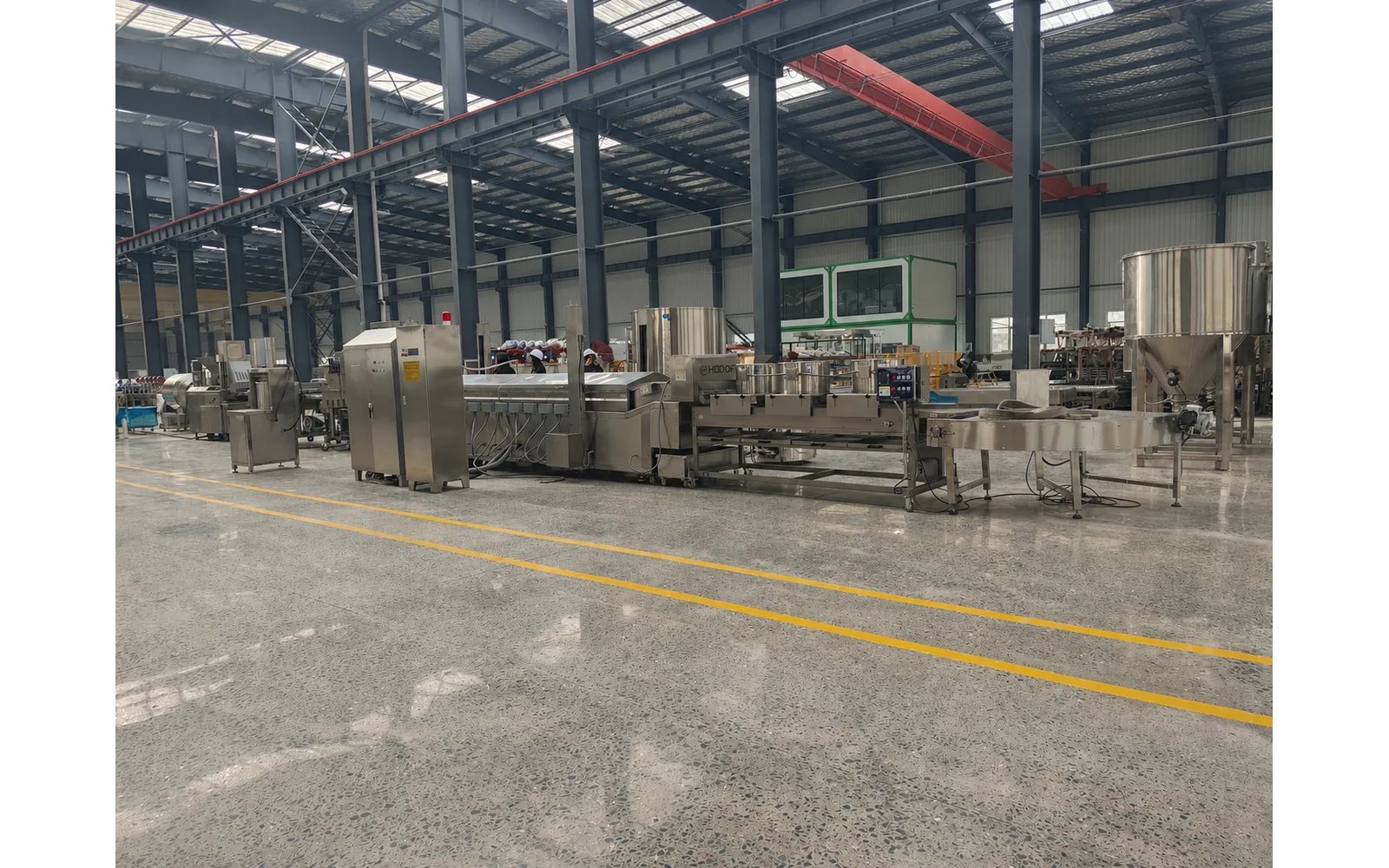
Documented demand concentrates on packaging equipment, snack processing and palm-oil routes, with the packaging and snack categories drawing on the same frying, seasoning and packing duties that Hadof supplies across its range.
Matching the demand to a line means converting a category such as snacks into receiving, frying or seasoning, cooling and packing stages, then confirming the Halal and hygiene evidence for the food-contact equipment in that route.
Reading the Demand
Packaging is the largest single demand. Pouch, vertical and end-of-line equipment support a snack-heavy, island-distributed market where shelf life and retail format matter.
Noodles and snacks follow. Mixing, forming, steaming, frying and seasoning serve documented local consumption, while palm-oil refining links the equipment catalog to a strategic crop.
Halal conformity and local-currency settlement lower friction. Buyers expect food-contact Halal compliance, SNI where required, and payment through local-currency settlement or letter of credit.
An island distribution model favors shelf-stable packaging. Lines that produce consistent pack formats with food-contact Halal conformity and local-currency settlement are easier for regional buyers to finance and operate.
Read the demand as a large domestic market with a growing snack and packaged-food sector, so the buyer usually needs a line that can run on the local supply, be maintained locally and hold its output across a full shift. The reading therefore includes power, spares and changeovers.
Indonesian buyers commonly ask for Halal and the voltage in the same inquiry, so the reading should include the compliance and utility picture from the first review rather than adding it after the equipment is selected.
Compliance, Utilities and Payment
Indonesia uses a documented Halal and SNI framework and supports local-currency settlement.
| Certification | Halal conformity for food contact; confirm SNI requirements |
|---|---|
| Utilities | Confirm voltage and frequency at the plant |
| Duty and tax | Confirm the HS code and local VAT |
| Payment | Local-currency settlement (LCT) or letter of credit |
Halal conformity applies to food-contact equipment, and the supply is commonly 220V/380V at 50Hz. A certificate confirms conformity, but it must be matched to the destination product duty and the local inspection path before installation.
Payment is usually letter of credit or staged T/T, and the landed cost should include duty. Confirm the local distributor and spares route in the same contract so the line can be serviced without a long wait.
Recommended Entry Route
Lead with packaging and snack or noodle lines, use local-currency settlement where available and build a distributor with spare parts and service coverage.
A complete Indonesia brief includes the product and pack format, the food-contact Halal and SNI scope and the payment route, so a packaging-first quotation also covers the local requirements that decide installation.
Frequently asked questions
Which Indonesia lines have the clearest documented demand?
What must equipment satisfy before delivery?
| Documented basis | Public Indonesia market research, 2026 |
|---|---|
| Scope | Market context only; buyer-specific duty and utility values are confirmed per order |
Enter the market in three stages: fix the Halal and utility basis, map the buyer's product to a frying, seasoning and packing route, then quote the complete landed scope with payment and local support. A destination-first entry keeps the compliance path visible from the first message.
Related pages
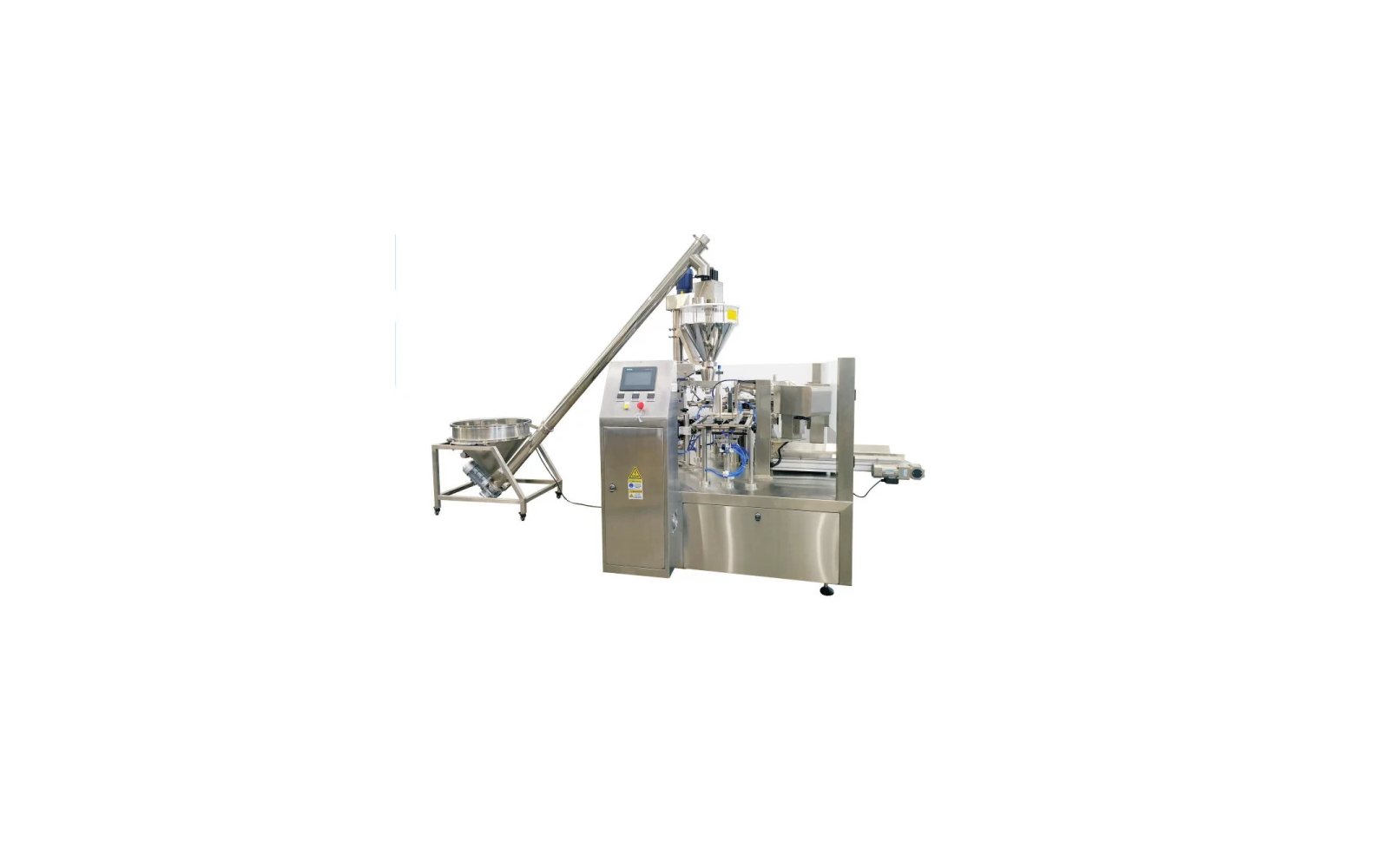
Premade Pouch Packaging Machines
Compare HDF premade pouch machines for powder and granules by bag size, dose, speed, accuracy reference, power, air and metering configuration.
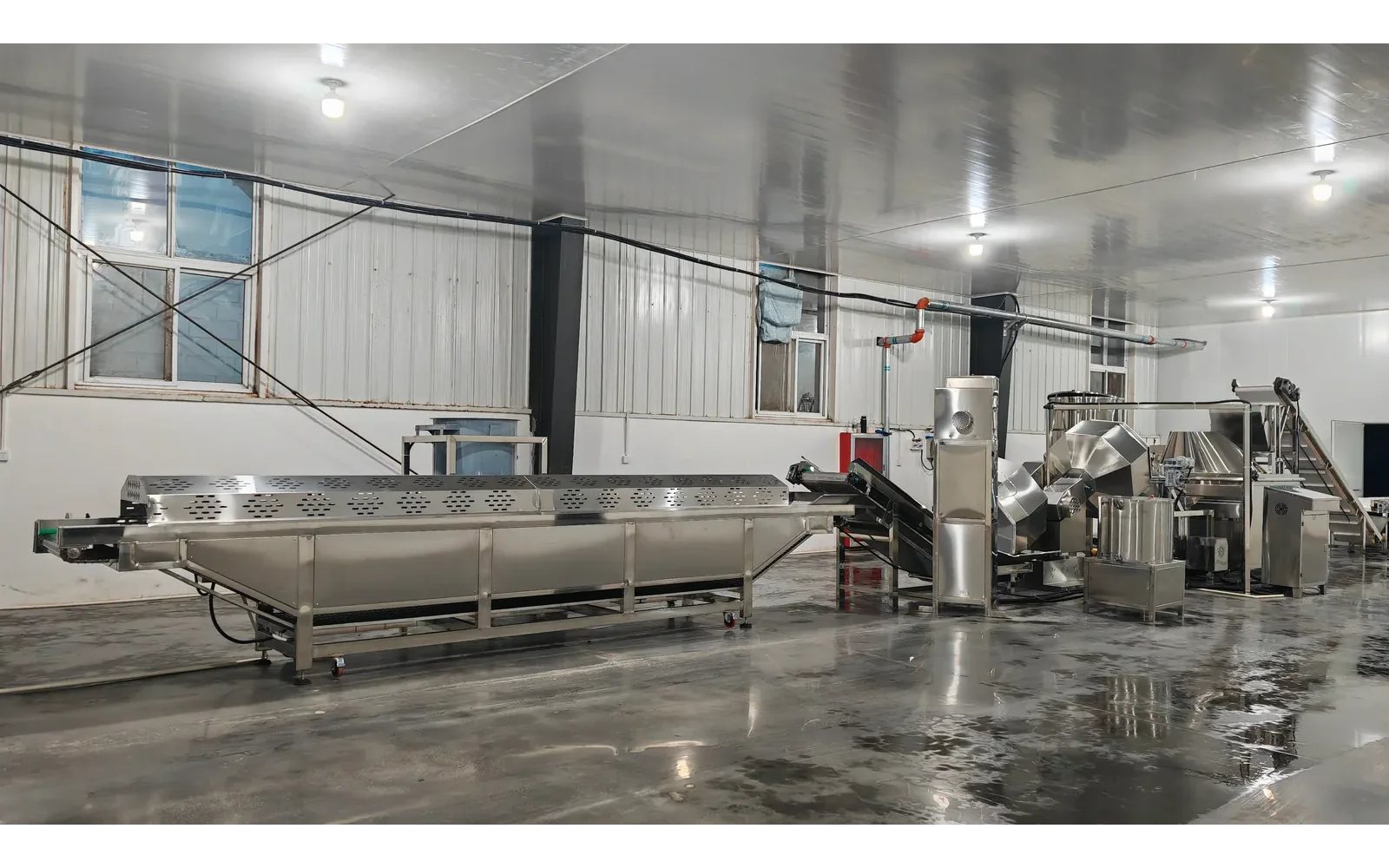
Snack Food Seasoning System
Compare batch and continuous snack seasoning routes, Hadof catalog model references, dosing controls, line interfaces and acceptance criteria.
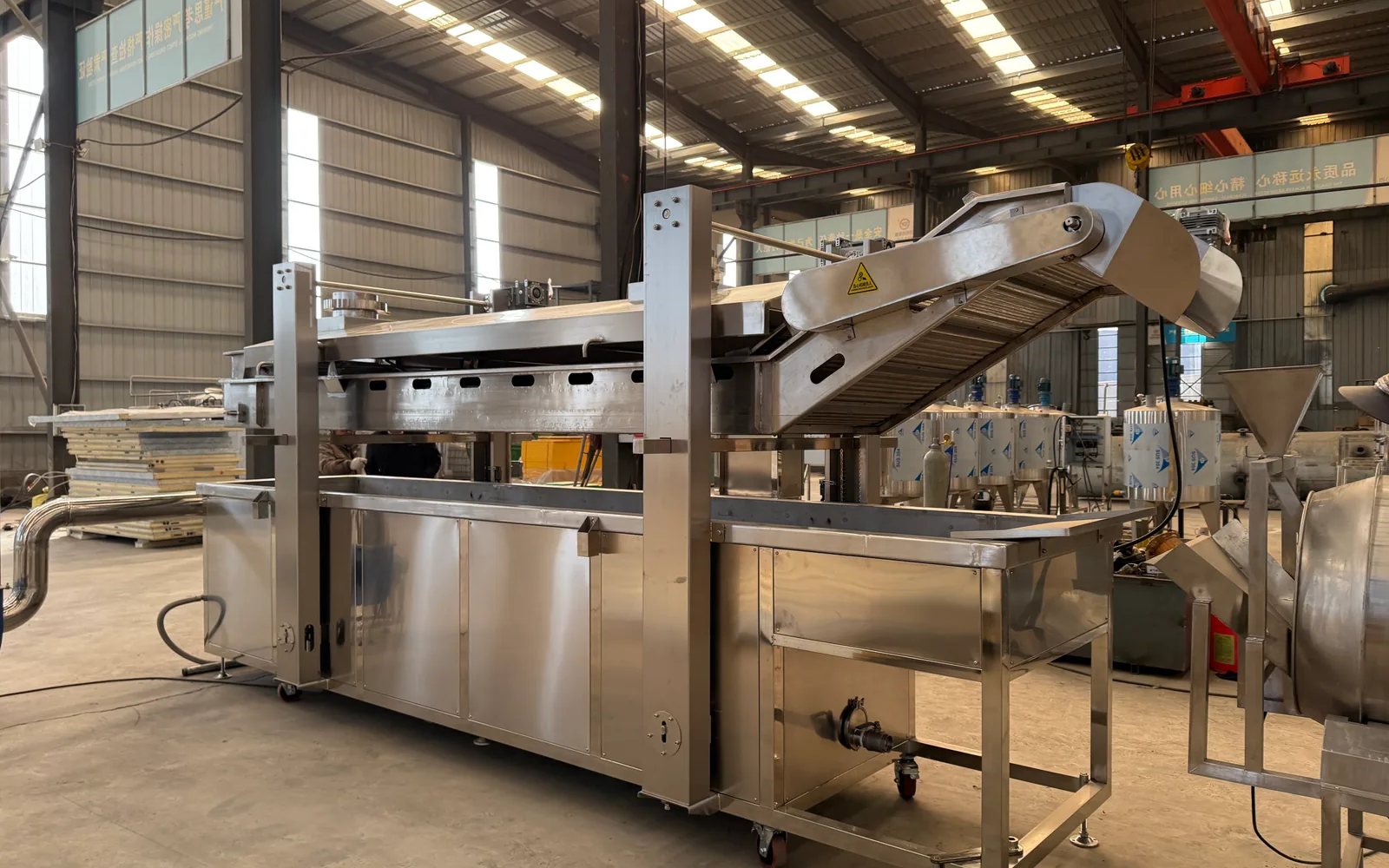
Continuous Fryer
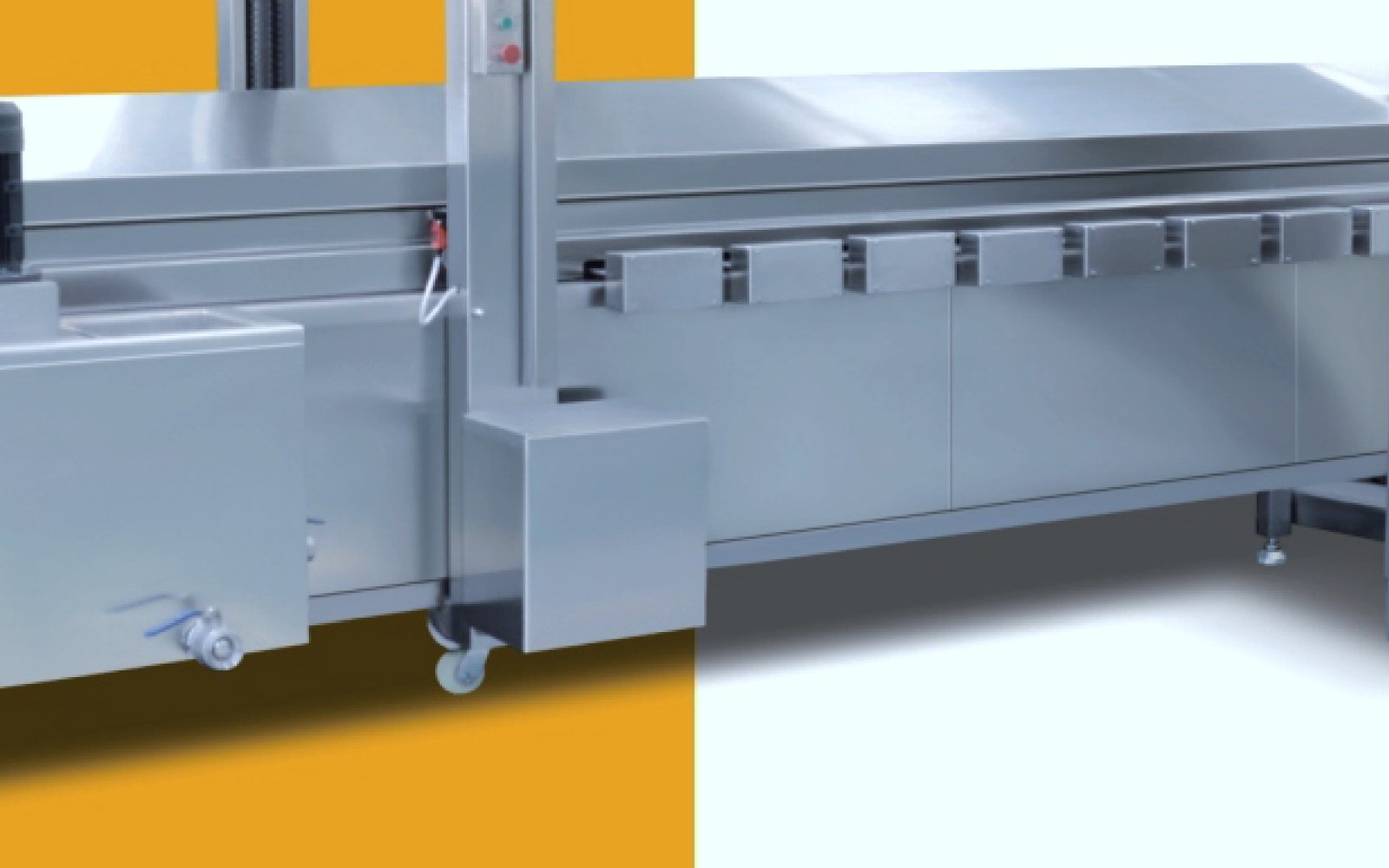
Compare verified Hadof continuous fryer references, then review product loading, heating route, oil handling, factory interfaces and acceptance scope.