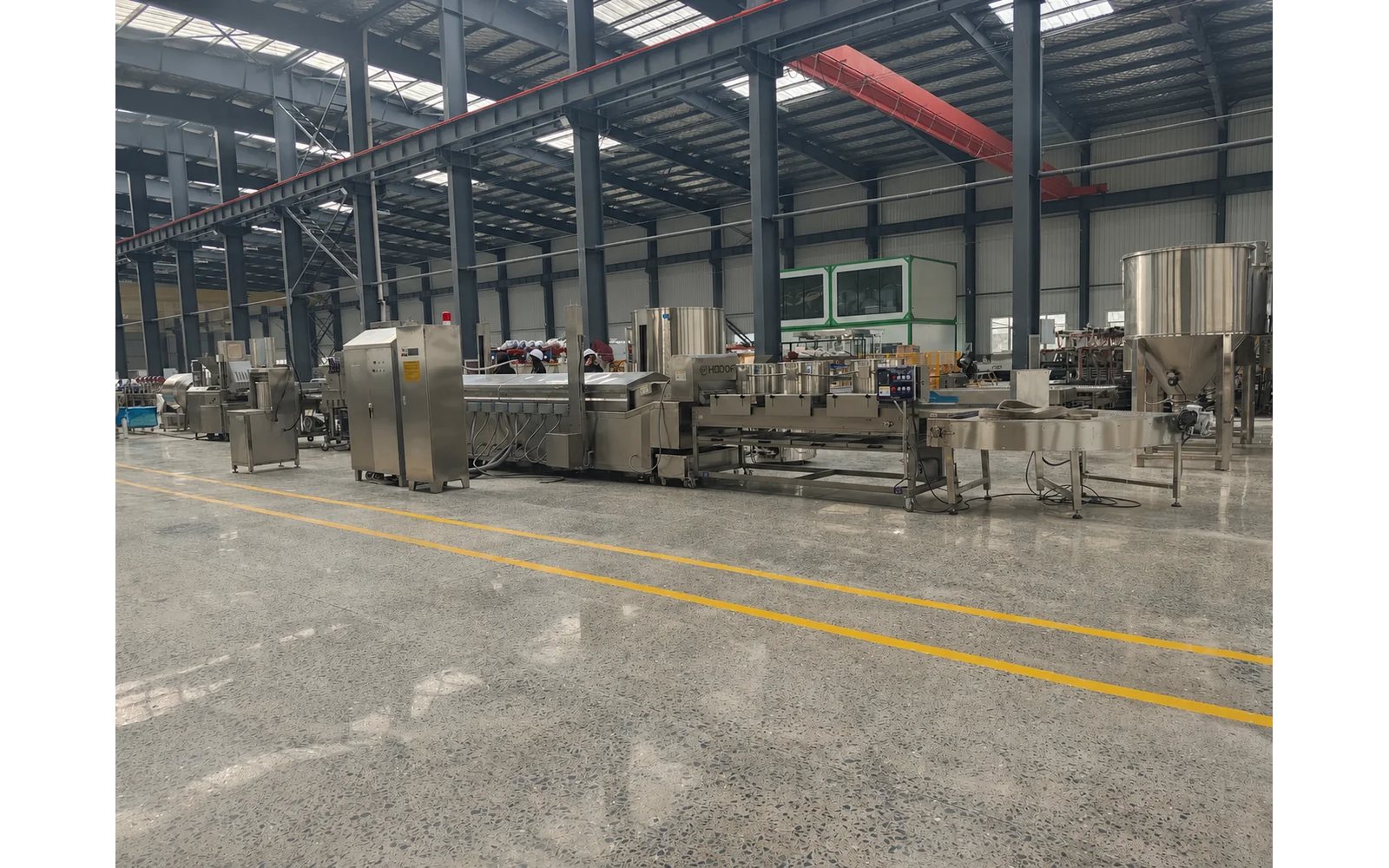
Start With the Product and Operating Basis
Review the process, equipment duties and project boundary from one defined basis.
Send the Right Evidence for the Decision You Need
Choose the review route
Different project stages need different inputs. Selecting the closest route helps the engineering response focus on the unresolved decision.
New production line
Send the product, finished target, planned output, operating schedule, destination, room plan and available utilities.
Single equipment duty
Identify the upstream condition, required transformation, discharge condition and both connection interfaces.
Capacity expansion
Provide the current flow, measured bottleneck, existing model data, normal and peak rates, and the acceptance target.
Replacement or retrofit
Attach dimensions, connection heights, controls, utilities, cleaning method and photographs of the existing installation.
Before equipment selection
The first message should match the decision it supports. A new production line, a single equipment duty, a capacity expansion and a replacement or retrofit each need a different set of inputs, and sending the right set is what lets the technical team respond with a specific answer.
Choose the decision first, then attach the evidence that belongs to it. A buyer who is expanding an existing line should send the current configuration and the new target; a buyer replacing one machine should send the product and the failing duty. The right evidence keeps the review short.
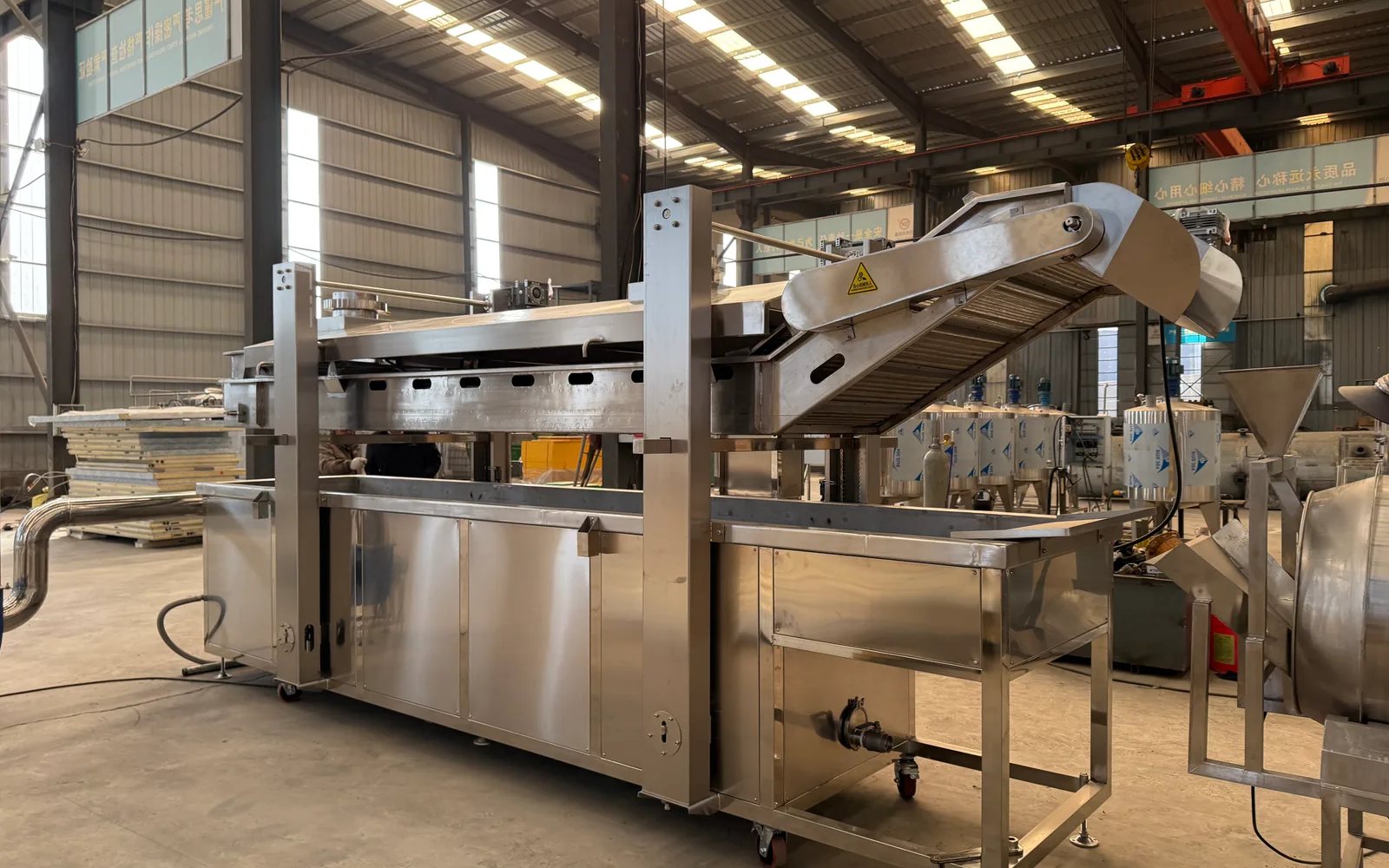
Four Inputs Make the First Review Useful
Exact values are welcome. For early-stage projects, name each missing input and the team will keep it visible through technical review.
Finished product
Product type, dimensions, moisture or texture objective, recipe and packaging format.
Operating target
Required output, shift pattern, changeover frequency and expected product range.
Factory conditions
Available area, utilities, drainage, ventilation and local installation constraints.
Delivery boundary
Required equipment, controls, documentation, service and target destination.
Four inputs make the first review useful: the finished product, the operating target, the factory conditions and the delivery boundary. With those four, the team can identify the duties, the models and the open questions, and the conversation moves from general to specific.
The finished product describes what must leave the line; the operating target adds output, shifts and changeovers; the factory conditions add space, utilities and access; and the delivery boundary adds the destination, the installation support and the acceptance method. Together they form the project brief.
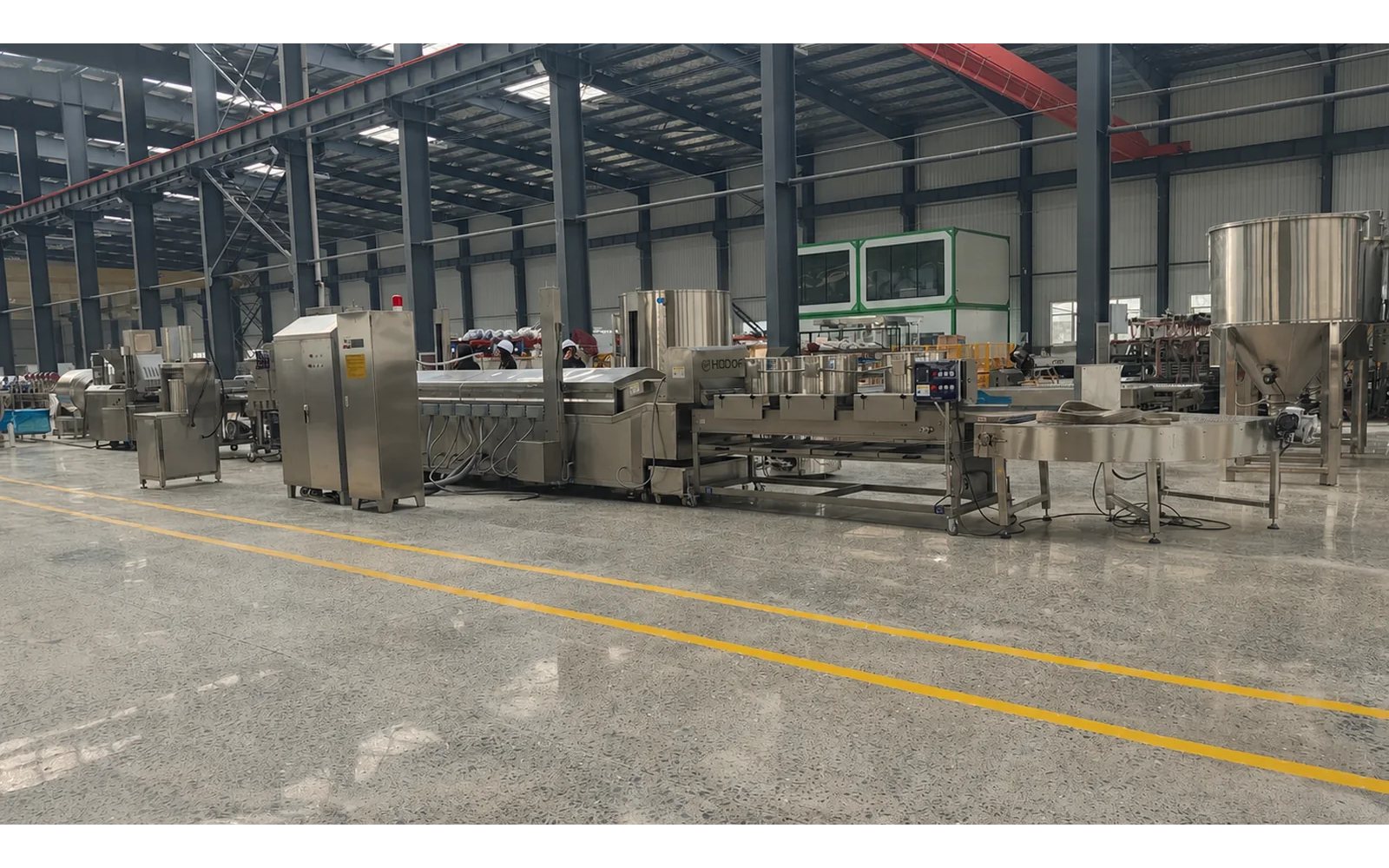
Send a Reviewable Requirement
Use the form for a new line, one process stage, capacity expansion or equipment replacement. The source page and selected configuration are carried with the inquiry when available.
A reviewable requirement is one the technical team can check against evidence. Instead of asking for a machine by name, describe the raw material, the required transformation, the output and the conditions the line must satisfy, so the response can be a defined route with named duties.
The requirement should also state what will be accepted. When the buyer names the product result, the measurement method and the test basis, the quotation can include the acceptance criteria from the start, and the two sides avoid discovering at delivery that they defined success differently.
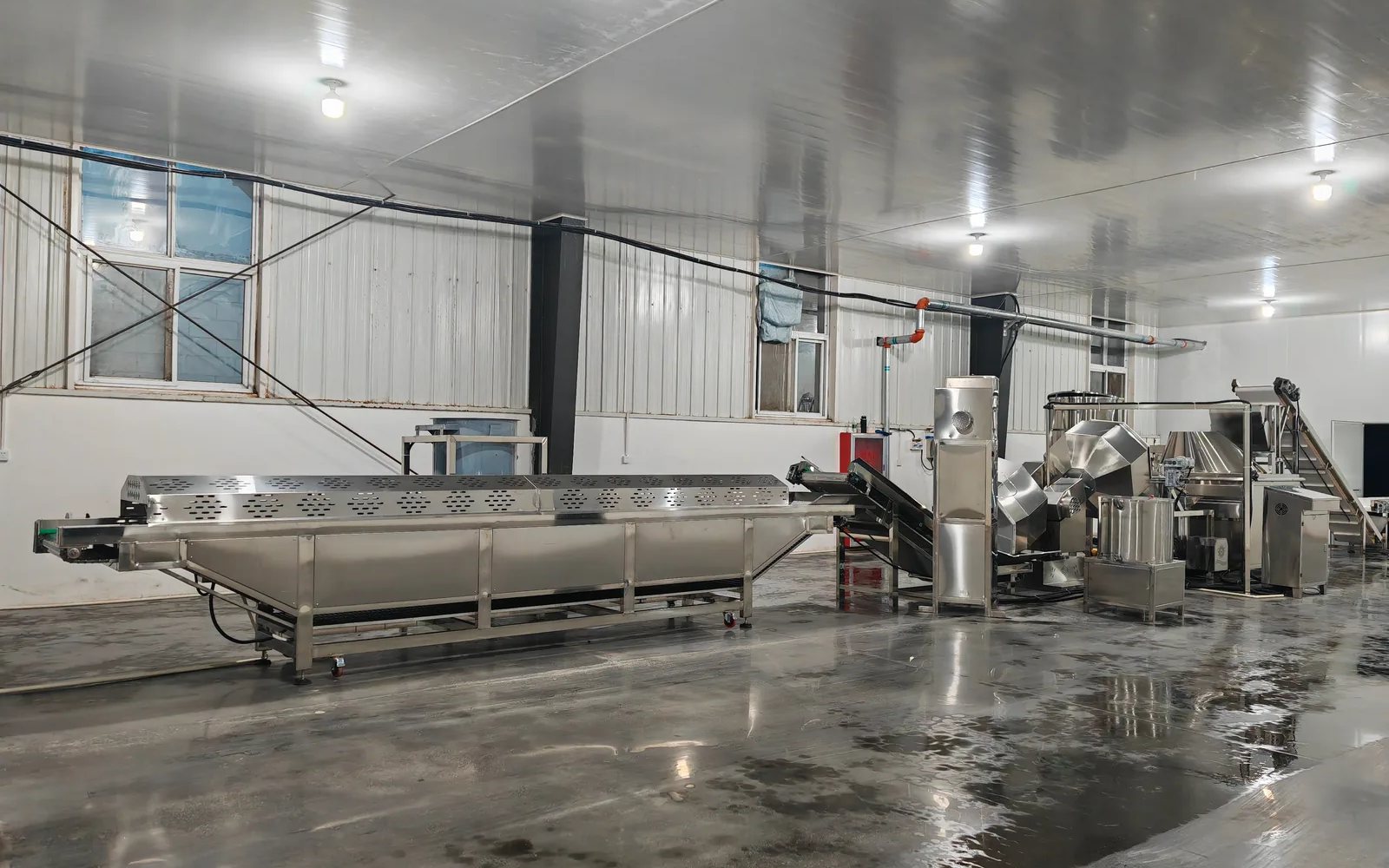
Move From Requirement to a Defined Scope
The first response separates what is known, what requires verification and what needs a commercial or technical decision.
- 01ReceiveProject context and source page
- 02ClarifyProduct, output and factory basis
- 03MapProcess stages and handoffs
- 04SelectEquipment duties and options
- 05ReviewInterfaces, evidence and open items
- 06ConfirmQuotation and delivery boundary
From the requirement, the team builds the scope in the same sequence as the project risk: product basis first, then process and model fit, then factory interfaces, then the verification plan. Each step produces a decision the buyer can approve before the next step depends on it.
The defined scope is what makes quotations comparable. When the equipment duties, the utilities, the exclusions and the acceptance method are fixed, suppliers are answering the same question, and the buyer can compare the responses instead of comparing headlines.
Reach the Hadof Project Team
For product files or factory drawings that should not be entered in the form, contact the project team directly.
- [email protected]
- Phone0086 182 0399 3035
- CompanyZhengzhou Hadof Food Machinery Co., Ltd.
- Websitehadofsolutions.com
Frequently asked questions
What information is required for a technical review?
How is the final configuration confirmed?
Send a reviewable requirement
Use the form for a new line, one process stage, capacity expansion or equipment replacement. The message opens in WhatsApp and the source page is included automatically.
The contact details on this page route to the project team, and the inquiry form opens with the source page already attached so the context is not lost. State the product, the target, the destination and the question, and the right technical function will follow up with the next step.
A short, structured message is more valuable than a long unstructured one. The team can act immediately on a product and an operating target, while a general request for a catalogue produces only a general reply. The message is the first evidence in the review.