
Tropical fruit snacks / Product-sensitive route
Banana Chips Production Line
Review the process, equipment duties and project boundary from one defined basis.
The Line Starts With the Fruit, Not the Fryer
Select the closest operating case. Final peeling, slicing, treatment and frying conditions require representative material.
Record the variety, maturity range and seasonal variation.
Do not assume a plantain process applies to every banana. Provide representative dimensions, peel condition, flesh firmness and target chip.
Confirm whether the selected maturity can be peeled, sliced and transferred.
Firmness, sticking, deformation and browning behavior are reviewed with the actual material and required finished result.
Define manual receiving, trimming, peeling and feed duties.
Record operators per shift, product loss, peel removal, inspection and how prepared fruit reaches the slicer.
Mechanical peeling is conditional on the approved raw material.
Peeling result, loss, residual skin, damage and cleanability must be confirmed. Suitability requires a representative raw-material test or approved model data.
Begin with the fruit itself, because every banana or plantain behaves differently through the line. Record the variety, the maturity range and how much the raw material varies across the season, then note the flesh firmness, the peel condition and the sugar content that drives browning. A plantain that arrives green and firm will slice, fry and colour differently from a ripe banana with a soft, sweet flesh, and the line must be configured for the material you will actually receive, not the ideal sample.
Treat peeling as a decision gate rather than an assumption. Confirm whether the selected maturity can be peeled mechanically or must be handled by operators, and record the labour, the peel removal rate and the product loss. The fryer cannot fix a slicing or peeling problem, so the fruit and its preparation are settled before the frying stage is discussed.
Carry the Product Basis Through Every Stage
The route is configured from representative raw material and finished-chip criteria.
Receive & sort
Variety, maturity, dimensions and defect removal.
Peel & inspect
Manual or reviewed mechanical scope, loss and surface result.
Slice & treat
Geometry, blade suitability, breakage and buyer-approved treatment.
Fry & de-oil
Loading, thermal result, oil system and discharge condition.
Cool, season & pack
Texture protection, seasoning application and pack-feed condition.
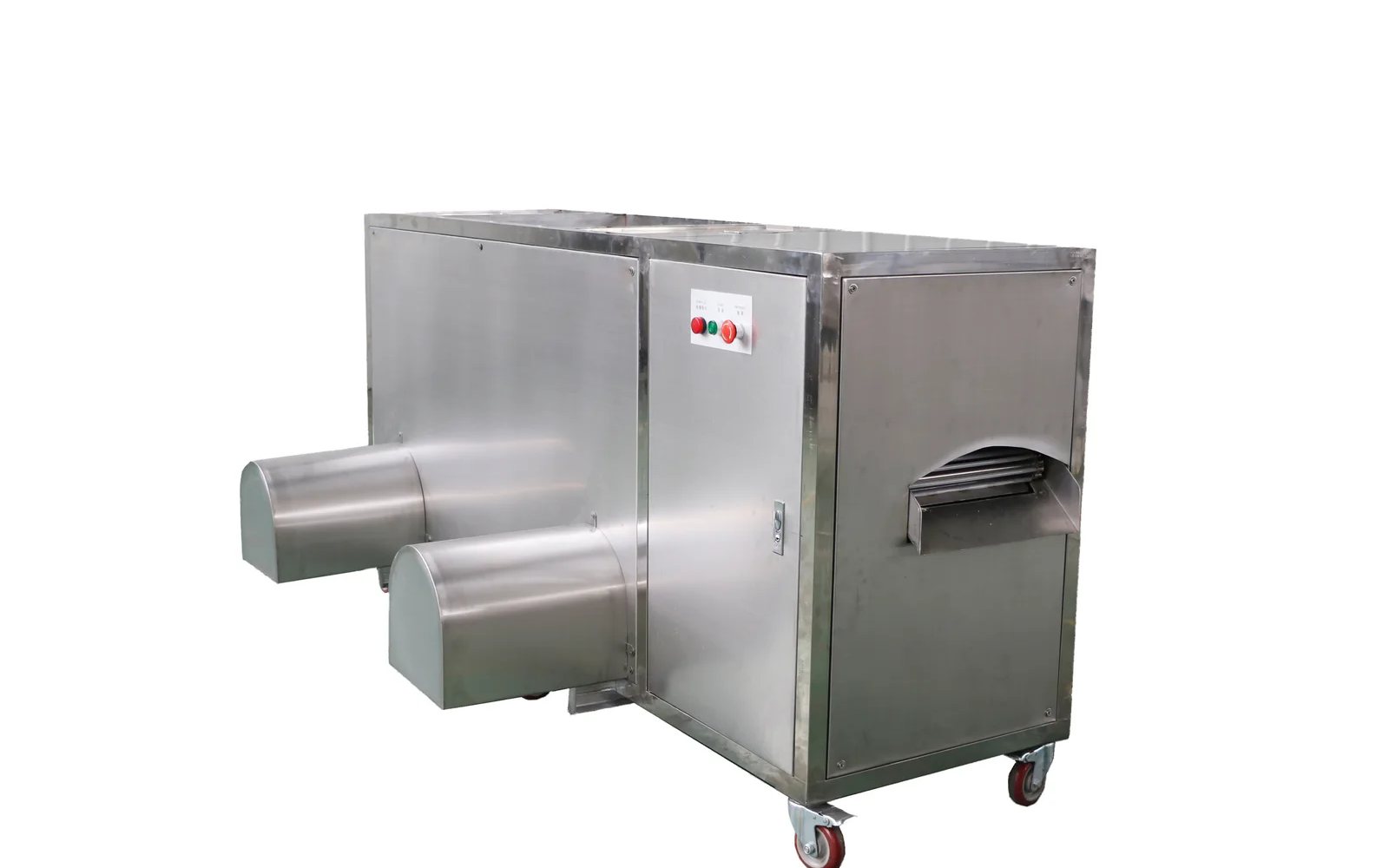
Carry one product basis through peeling, slicing, treatment, frying, de-oiling, seasoning and packing. Write down the slice thickness, the moisture content and the finished chip target, then check each stage against that same basis. A change in slice thickness alters frying time, oil uptake and seasoning pickup, so a decision made at the slicer quietly changes the duty of every machine downstream.
Fix the target chip in measurable terms: thickness, colour, moisture and oil content. When the target is written down, the equipment can be configured and tested against it, and the line can be accepted against a result rather than against a description of the machines.
That one basis is what keeps the slicer, the fryer and the packer from drifting apart.
Write the slice thickness, moisture and finished chip target once, and every stage is checked against that same line.
Control the Conditions That Change the Chip
Capacity cannot be confirmed from the product name alone.
- 01Maturity and firmnessInfluence peeling, slicing, deformation and feed consistency.Raw-material sampling
- 02Slice distributionThickness, diameter, broken pieces and loading into treatment.Dimensional inspection
- 03Surface conditionApproved treatment and water entering the fryer.Pre-fry record
- 04Finished conditionBuyer-defined color, texture, oil, seasoning and pack temperature.Acceptance method
Maturity and firmness
Influence peeling, slicing, deformation and feed consistency.
Slice distribution
Thickness, diameter, broken pieces and loading into treatment.
Surface condition
Approved treatment and water entering the fryer.
Finished condition
Buyer-defined color, texture, oil, seasoning and pack temperature.
Catalog-backed configuration logic and equipment combination
The chip changes in the fryer, so the frying conditions deserve the most attention. Record the oil temperature, the residence time and the bed loading, and note how browning and moisture loss respond. Banana and plantain are sugar-rich, so the temperature window is narrow: too low and the chip is oily and soft, too high and it browns before the centre dries.
Control the oil itself. Fines from slicing and broken chips accelerate oil breakdown, so filtration and oil turnover must be sized for the fines the product releases. Plan de-oiling after the fryer so the finished chip carries the agreed oil content rather than whatever the belt happens to leave on it.
Choose Batch or Continuous Duty From the Operating Model
References come from the reviewed Hadof main catalog, printed pages 19-20 and 41-48. Product suitability and net line output require confirmation.
280A / 230 / 280 ordinary slicers
Published reference range: 150-400 kg/h; 0.18-1.5 kW.
HDF-4000 to HDF-8000 electric series
Published catalog range: 600-1,500 kg/h; 100-200 kW.
HDF-500 / 1000 / 1500 / 2000 square fryer
Published references: 50 / 100 / 150 / 200 kg/h; 12-42 kW.
HDF-2400 / HDF-3000 roller seasoning
Published references: 1,000 / 1,500 kg/h; 2.1 / 2.5 kW.
Choose between batch and continuous duty from the operating model, not from a preference. A small producer running several varieties a day may be better served by a batch fryer with quick changeover, while a plant that makes one chip format for a full shift justifies a continuous line. The decision turns on changeover frequency, the daily volume and the labour available.
Then size the fryer around the real production pattern. Convert the daily demand into kilograms per hour, allow for shift changeovers and cleaning, and confirm whether the fryer must hold its rate for hours at a time or switch between products. The operating model is what makes the capacity number honest.
The operating model is what makes the capacity figure honest.

Plan Labor, Peels, Oil and Packing as One Flow
The building interface is part of the technical scope.
Raw and peel handling
Receiving, inspection, manual workstations, peel removal and waste route.
Wet preparation
Approved treatment, water supply, drainage and surface-water control.
Oil and extraction
Heating, oil handling, filtration, exhaust and make-up air responsibilities.
Finished-product route
Cooling, seasoning, inspection, packaging and protected transfer.
Plan the people, the waste and the utilities as one flow instead of treating them as details. Count the operators for receiving, trimming, peeling and inspection, and route the peels and rejects out of the production area without contaminating the line. The peel stream is a real material flow with its own volume, and ignoring it turns a clean line into a congested one.
Match the packing stage to the fryer. The fried chips must cool and de-oil before seasoning and packing, and the packing line must accept the flow without letting the chips absorb moisture or break. When labour, peels, oil and packing are planned together, the line runs as one connected route.
When those four flows are planned together, the line runs as one connected route.
Route the peels and rejects out of the area without crossing the clean product flow.
Match the packing stage to the fryer, and the chips stay dry and whole.
Test With Representative Raw Material
Agree the sample, test conditions, run duration, product criteria and inspection method before acceptance.
| Raw material | Variety, maturity, origin lot, dimensions, peel and flesh condition. |
|---|---|
| Process basis | Peeling route, slice geometry, approved treatment, frying and finishing. |
| Finished basis | Buyer-defined color, texture, oil, seasoning, breakage and package handoff. |
| Scope basis | Labor, utilities, oil, extraction, cooling, installation and documentation. |
Snack Food Processing Systems
Compare product families and control priorities.
Continuous Fryer
Review model references and product-specific boundaries.
Product and Factory Brief
Prepare material, target, output, utilities and layout.
| Ordinary slicer references | 280A / 230 / 280 |
|---|---|
| Electric continuous fryer references | HDF-4000 to HDF-8000 |
| Roller seasoning references | HDF-2400 / HDF-3000 |
Frequently asked questions
Can one configuration process every banana or plantain variety?
How is batch versus continuous frying selected?
Is mechanical peeling always suitable?
Test with representative raw material, not a hand-picked sample. Include the variety and maturity you will actually process, and run the trial at the production loading and temperature you intend to use. A trial on a single ripe batch will not tell you how the line behaves with firmer, greener fruit or with the variation that arrives across a season.
Measure the result rather than tasting it. Record the slice thickness, the moisture, the oil content and the colour, and compare the finished chip with the written target. That measurement is the evidence the line works, and it is the basis for acceptance after installation.
Related pages
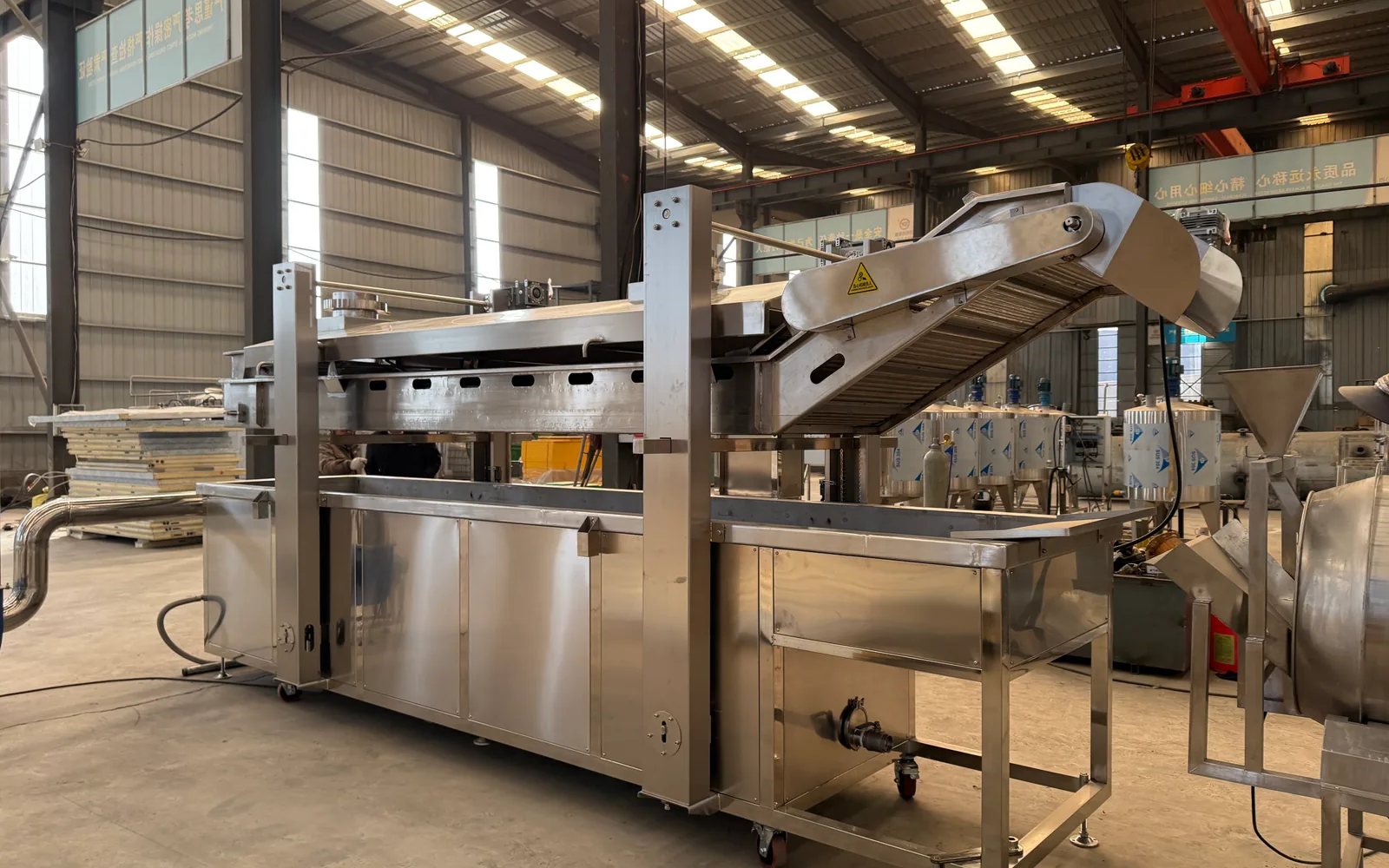
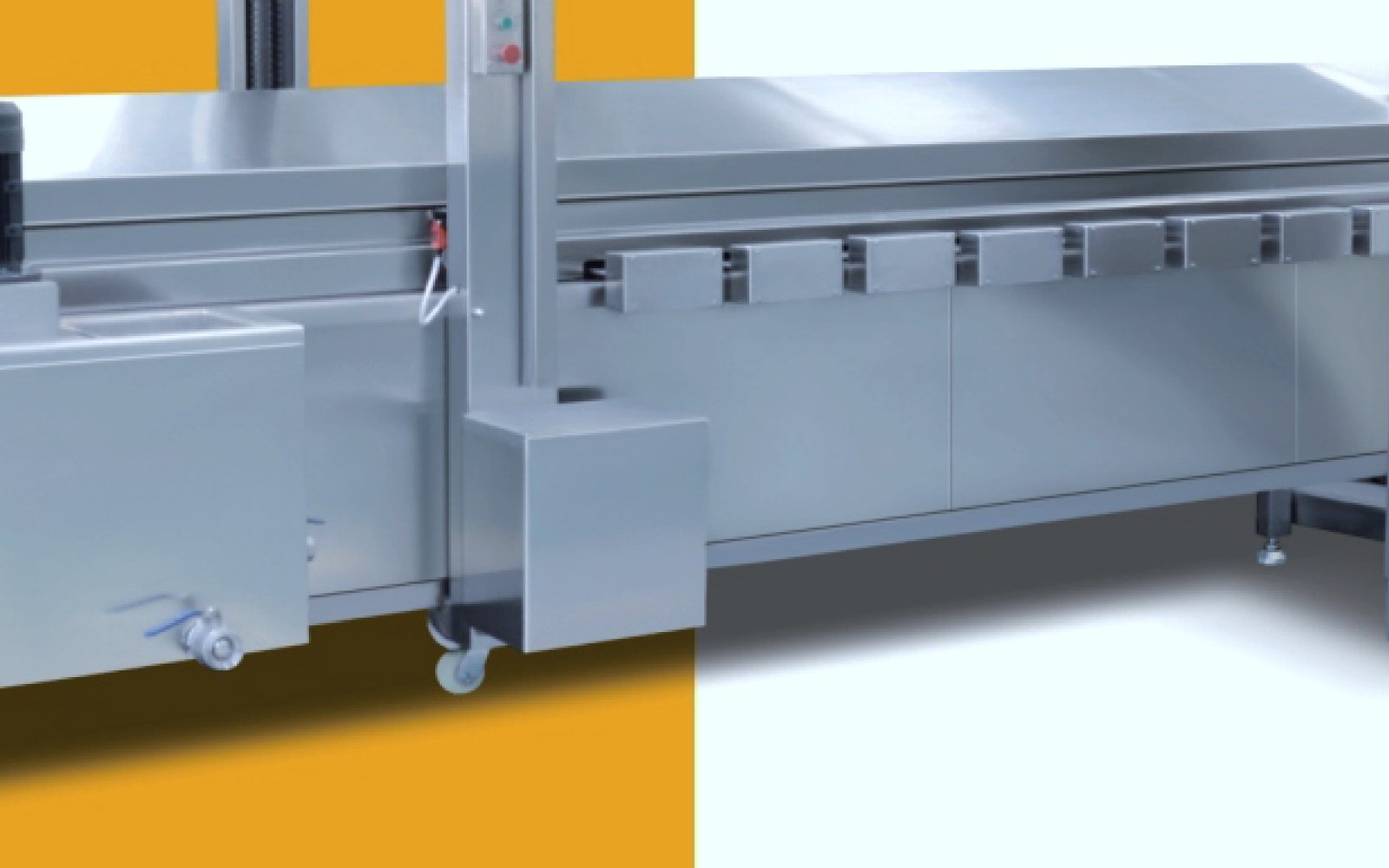
Continuous Fryer
Compare verified Hadof continuous fryer references, then review product loading, heating route, oil handling, factory interfaces and acceptance scope.
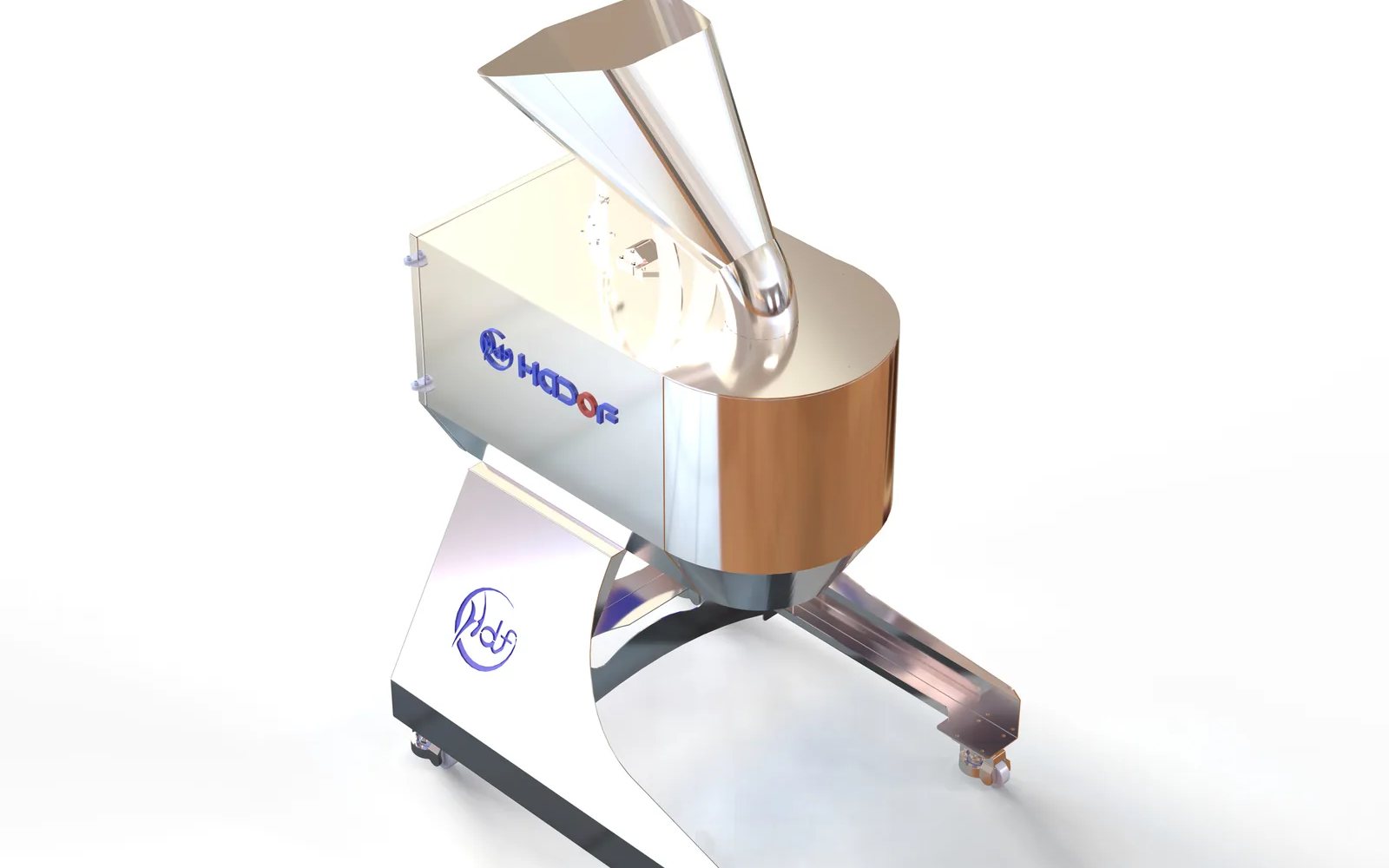
Vegetable Cutting Machine
Compare verified Hadof vegetable cutter references by crop, finished geometry, tooling, output, line handoff and acceptance requirements.
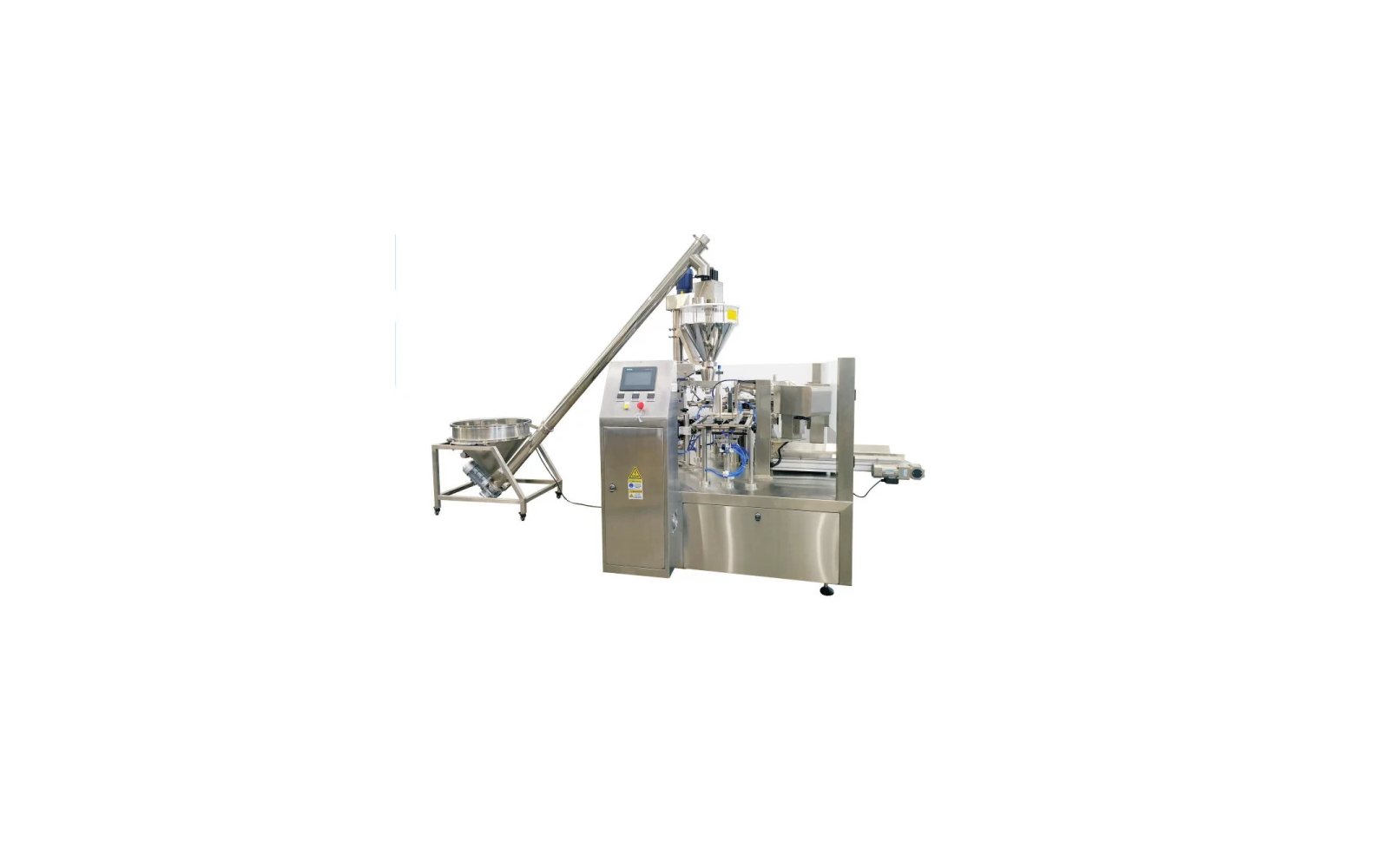
Premade Pouch Packaging Machines
Compare HDF premade pouch machines for powder and granules by bag size, dose, speed, accuracy reference, power, air and metering configuration.
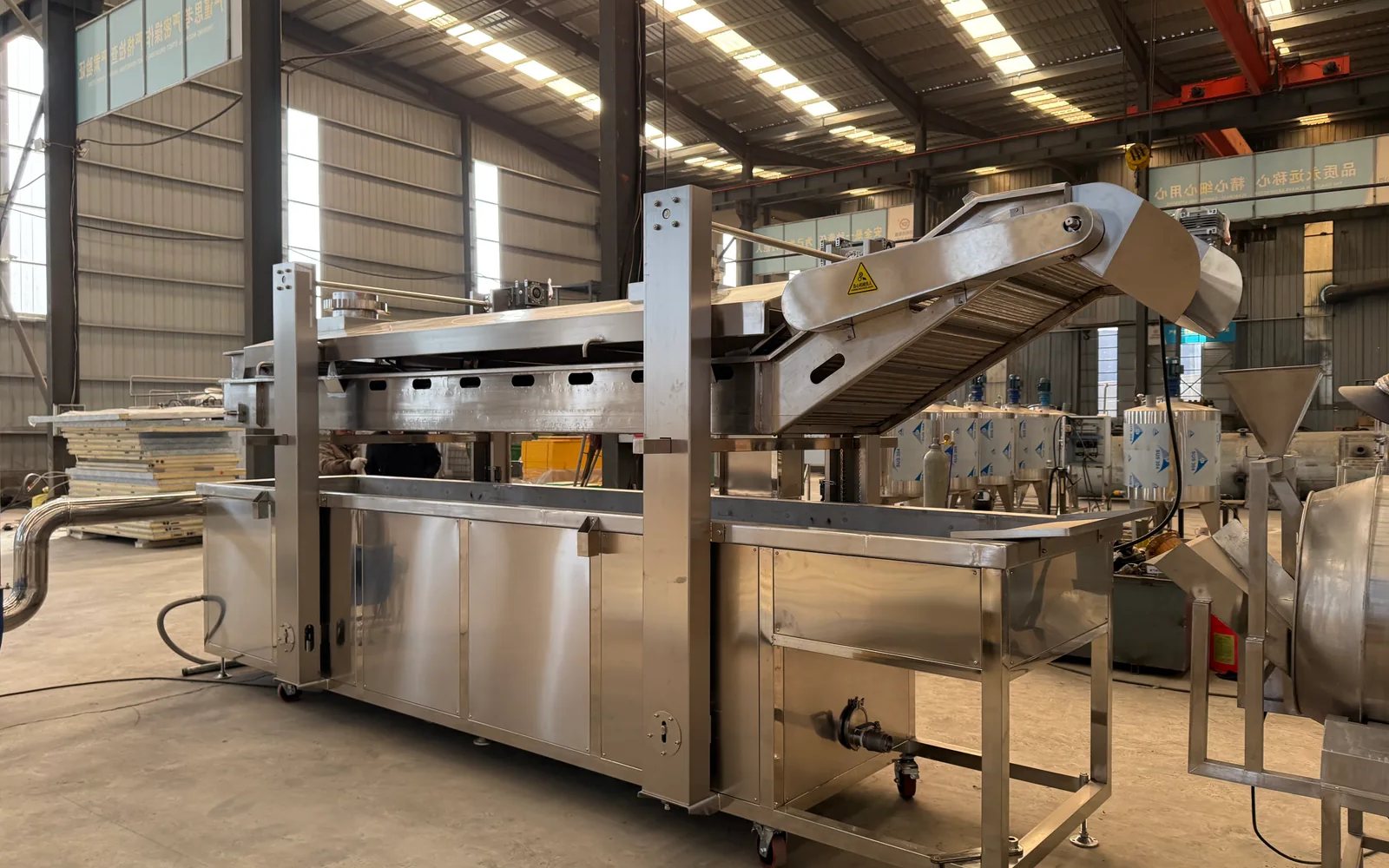
Continuous Fryer Selection Engineering
Understand how product condition, loading, heating route, oil management, factory interfaces and acceptance criteria drive continuous fryer selection.