
Define Scope Before Production Begins
Review the process, equipment duties and project boundary from one defined basis.
Close Four Gates Before Manufacturing Release
The material, finished requirement, representative sample and operating range are named. Any trial requirement and result owner are recorded.
Product gate
Equipment gate
Models, options, materials, controls, guarding and included auxiliaries are tied to the quotation revision.
Factory gate
Footprint, access, floor and drainage conditions, utilities, extraction, refrigeration and connection heights are reviewed.
Supply gate
Documentation, inspection, packing, freight boundary, installation support, exclusions and acceptance ownership are explicit.
Manufacturing is released only after four gates close: the product gate, the equipment gate, the factory gate and the supply gate. Each gate holds a decision the earlier work depends on, and releasing manufacture before a gate closes simply moves the correction into a more expensive stage.
The product gate fixes the raw material and finished result; the equipment gate fixes duties and models; the factory gate fixes utilities, layout and access; and the supply gate fixes scope, exclusions and responsibilities. Closing all four is what makes the build predictable.
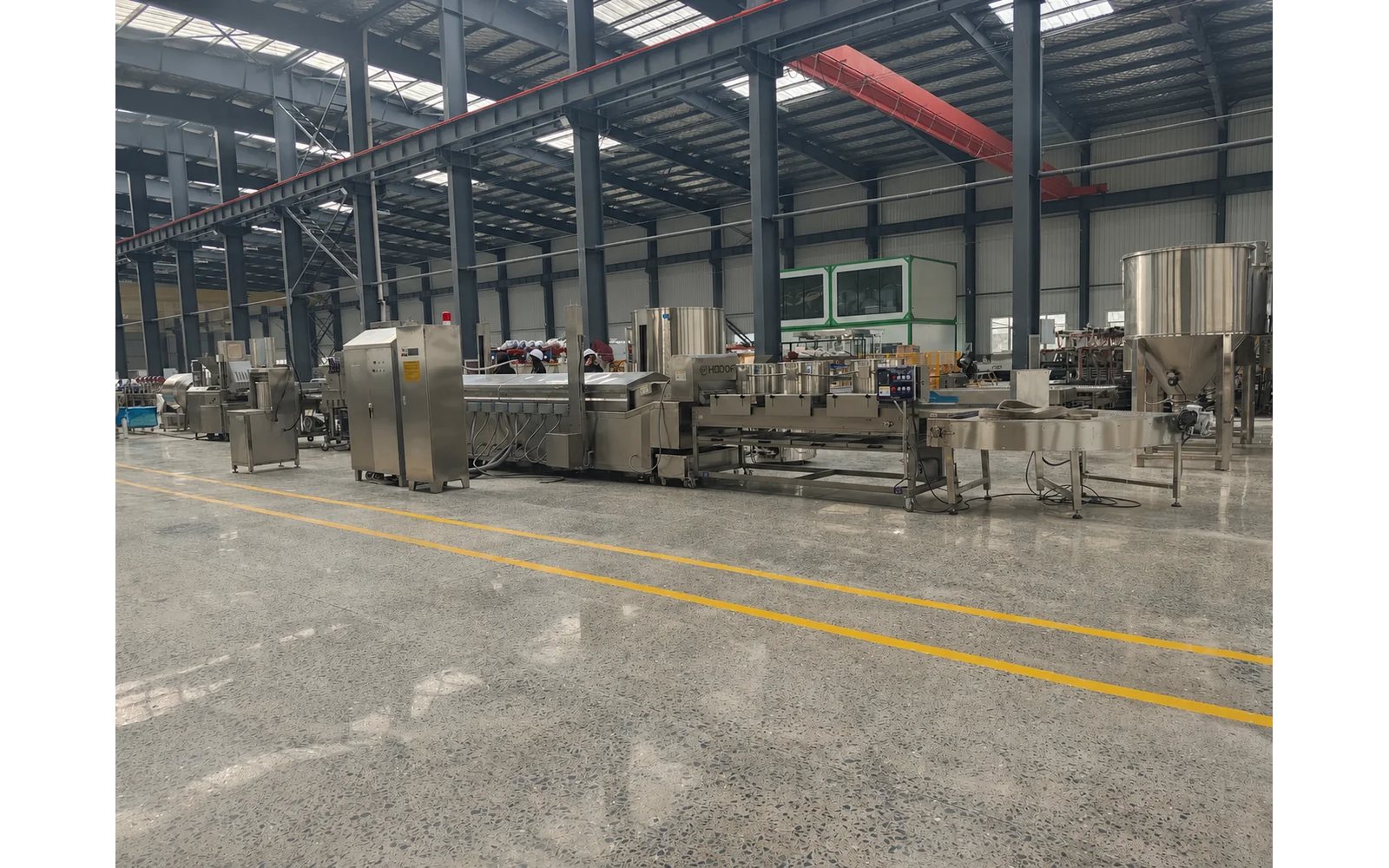
Agree What Will Be Observed, Where and Under Which Conditions
Acceptance and handoff
Name the equipment revision, visible workmanship checks, component records and documents included in the inspection.
Define whether testing is dry, water-based or product-based, plus run duration, utilities, feed and measurement method.
Confirm building readiness, utilities, product, operators, lifting, access and local work owned by the buyer or site team.
Record observations, deviations, responsible party, target date and evidence required to close each item.
Use the quotation risk checklist before commercial approval and the project brief before technical review.
Inspection only means something when the three questions are answered in advance: what will be observed, where it will be observed, and under which conditions. A dimension checked on the drawing differs from one checked on the machine, and a test run at low load differs from one at production load.
Write the observation plan into the project before the test. The buyer and the supplier then inspect the same thing in the same place under the same conditions, and the result can be accepted as evidence instead of being re-argued after the event.
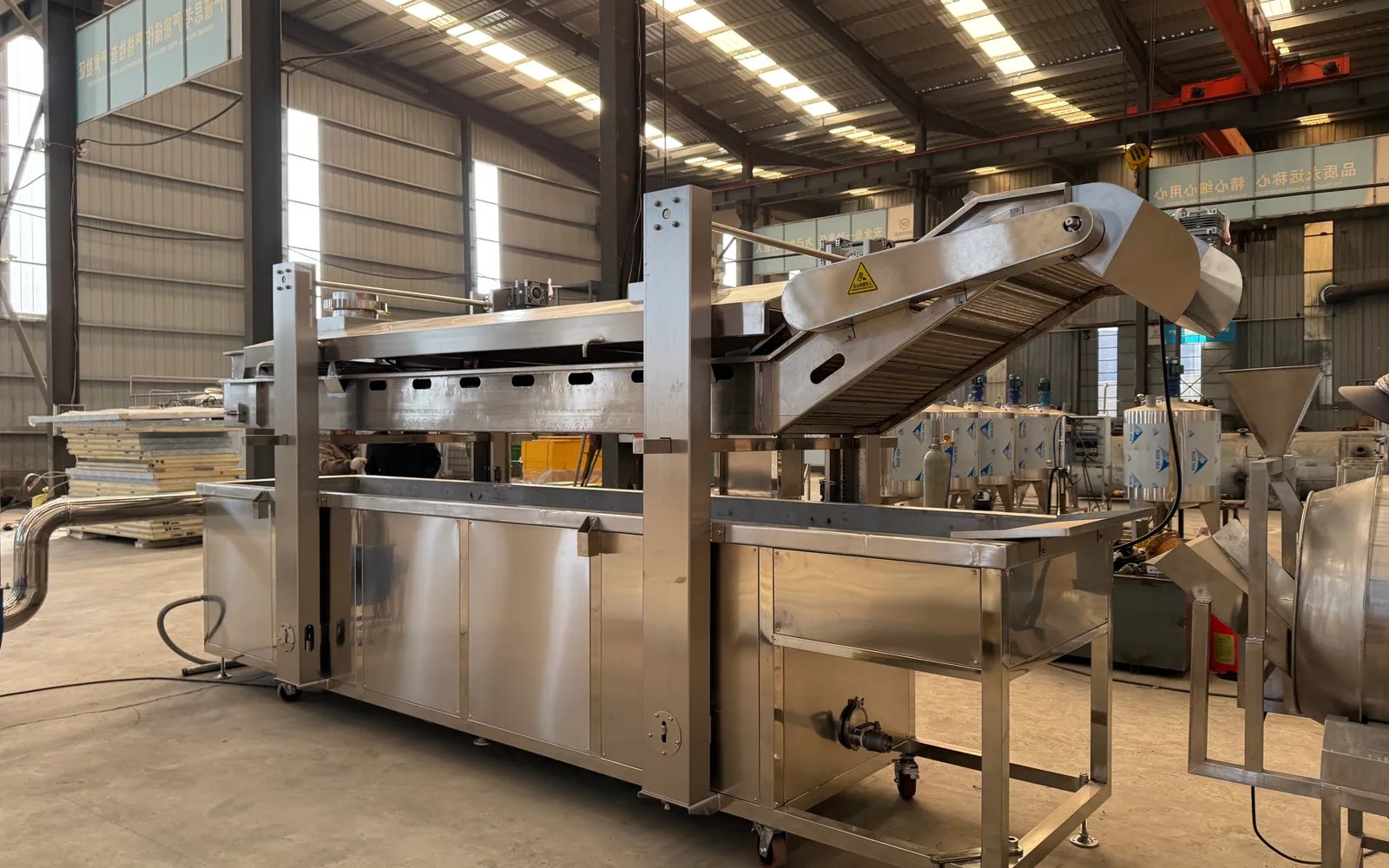
Buyer and Supplier Decisions by Stage
- 01Technical inquiryBuyer provides product, output, utilities, destination and layout. Hadof records missing inputs as named open items.Output: review brief
- 02Configuration reviewHadof maps the process, equipment duties, model references, options and stage-to-stage interfaces.Output: proposed scope
- 03Commercial confirmationBoth parties confirm inclusions, exclusions, documents, delivery basis, service scope and revision control.Output: agreed contract
- 04Engineering releaseApproved drawings, utilities, connection points and technical inputs form the manufacturing basis.Output: release record
- 05Inspection and dispatchInspection, agreed tests, evidence capture, preservation, packing and dispatch follow the project requirements.Output: dispatch package
- 06Installation and handoffSite readiness, installation guidance, commissioning inputs, training and closure records follow the contracted boundary.Output: service record
Technical inquiry
Buyer provides product, output, utilities, destination and layout. Hadof records missing inputs as named open items.
Configuration review
Hadof maps the process, equipment duties, model references, options and stage-to-stage interfaces.
Commercial confirmation
Both parties confirm inclusions, exclusions, documents, delivery basis, service scope and revision control.
Engineering release
Approved drawings, utilities, connection points and technical inputs form the manufacturing basis.
Inspection and dispatch
Inspection, agreed tests, evidence capture, preservation, packing and dispatch follow the project requirements.
Installation and handoff
Site readiness, installation guidance, commissioning inputs, training and closure records follow the contracted boundary.
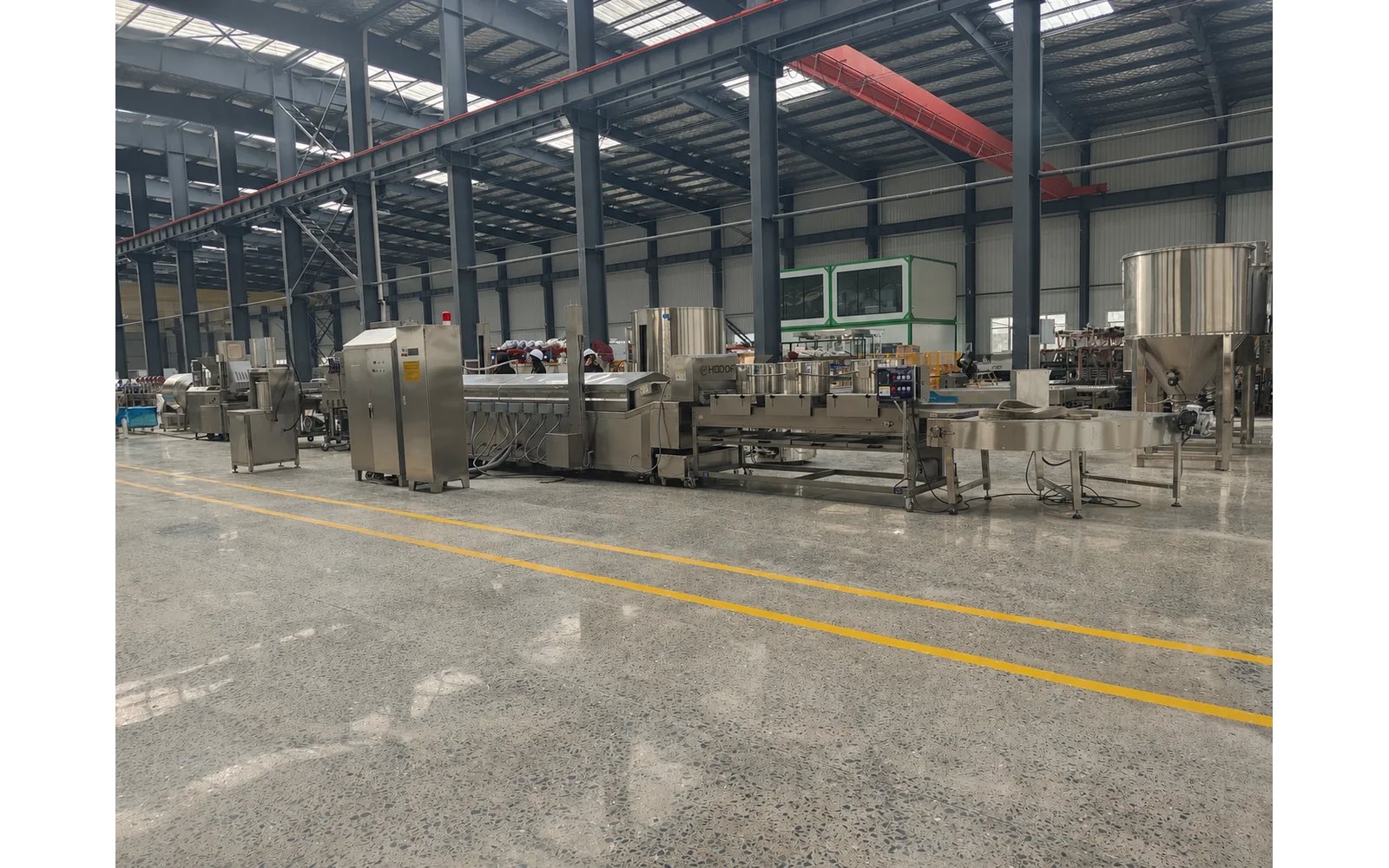
Confirm Required Documents in the Quotation
Certification documentation is model-specific. CE documentation applies only to individually verified selected Vegetable Processing Line models and the documented scope.
The documents are part of the delivery, so they are confirmed in the quotation rather than chased after shipment. State which drawings, material certificates, manuals, test records and inspection documents the project requires, and write them into the scope with their revision and delivery point.
A document list is the cheapest way to prevent a handover dispute. When the buyer and the supplier have agreed what will be provided and when, the missing document becomes an open item with an owner instead of a surprise at installation, and the acceptance can follow the paperwork that was promised.
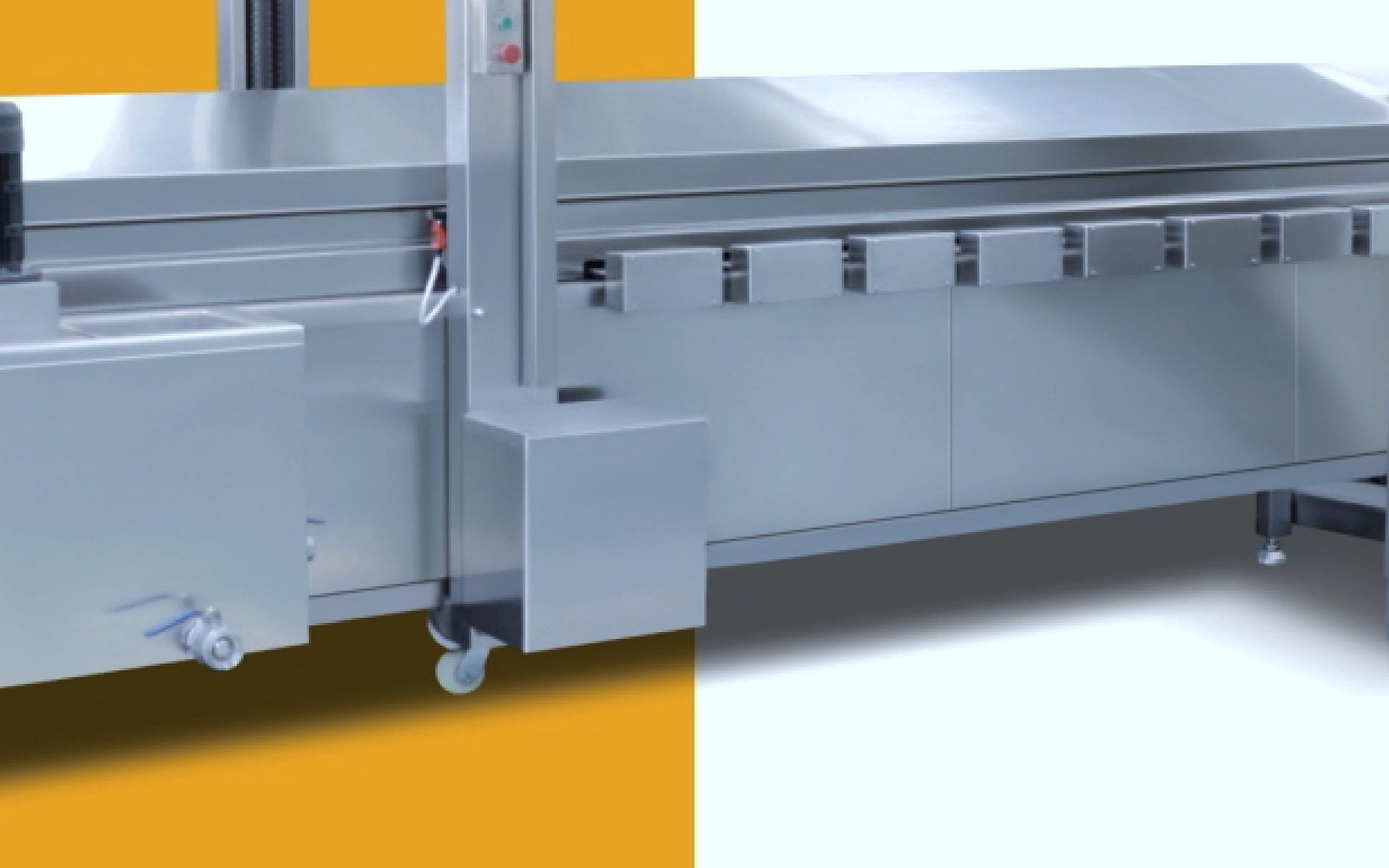
Service Is Defined Per Project
Technical clarification, drawing review and document exchange within the agreed scope.
Remote or on-site support where included, with travel, local labor and site responsibilities stated separately.
Product, utilities, operators, connected equipment and site readiness must meet the agreed test conditions.
The recommended list, quantity, availability and shipment method are confirmed for selected models.
Next step: prepare the product, factory, delivery and acceptance inputs before requesting the release-ready project scope.
Frequently asked questions
What information is required for a technical review?
How is the final configuration confirmed?
Service is defined per project because no two sites need the same support. One project needs installation supervision, another needs commissioning and training, and a third needs only remote guidance, so the service scope is written into the same delivery plan as the equipment.
Keep the service scope attached to the product basis. The same people who configured the line are the ones who explain its operation and its limits, and the handover is then continuous from the quotation through to the first production run rather than a separate transaction.
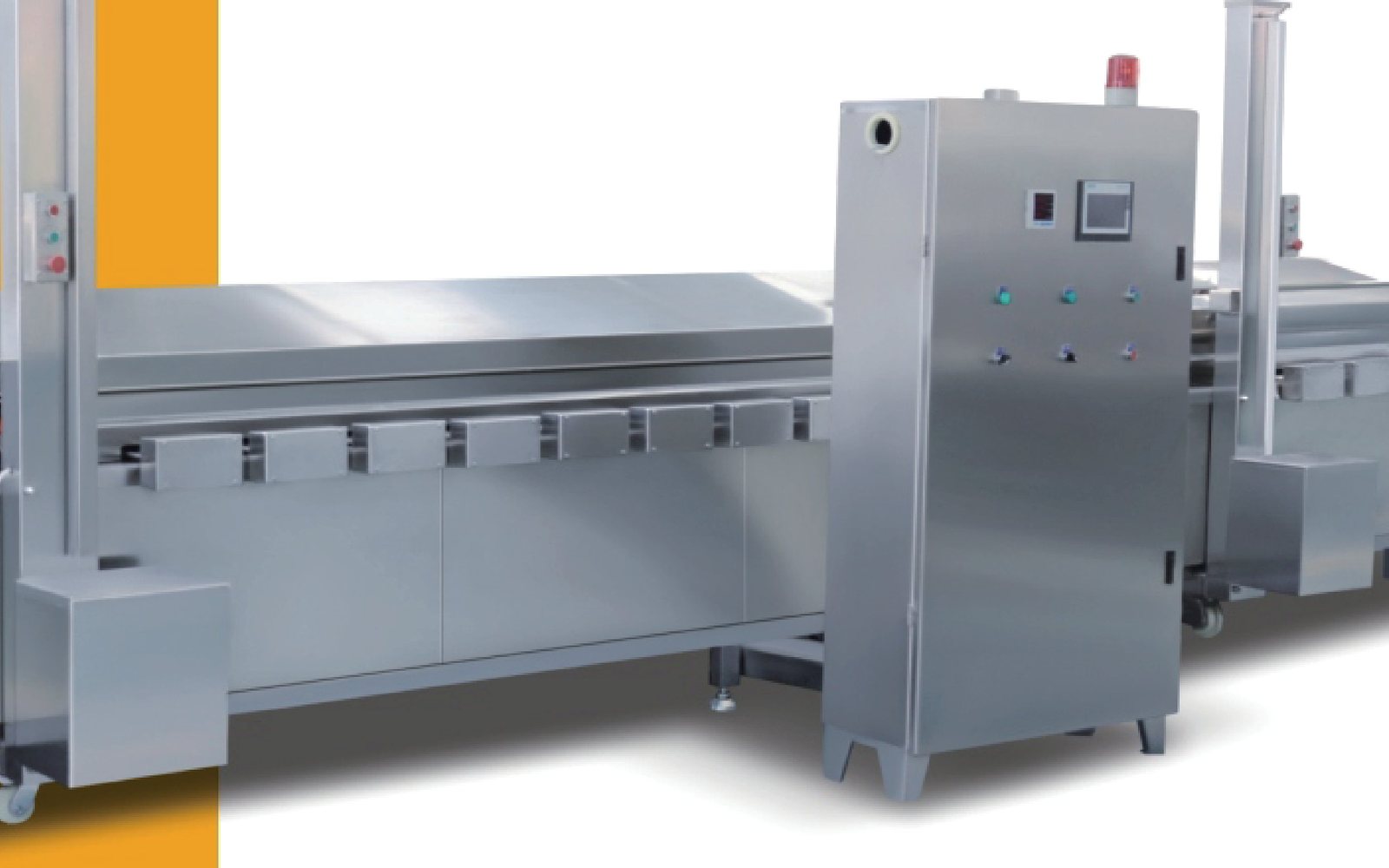
Related pages
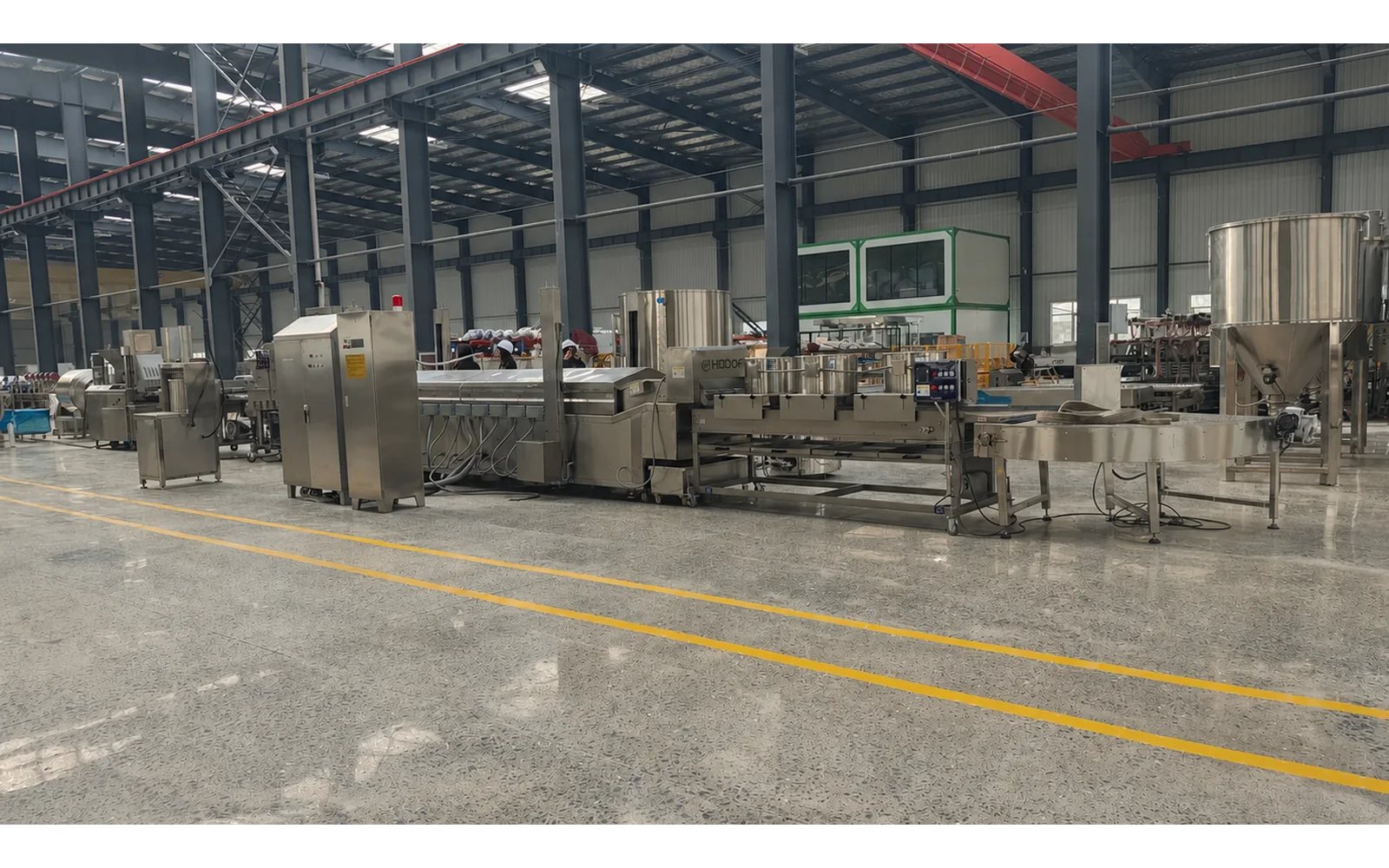
Build a Technical Project Brief
Build a procurement-ready food processing project brief covering product, process, capacity, factory utilities, scope, risks and acceptance evidence.
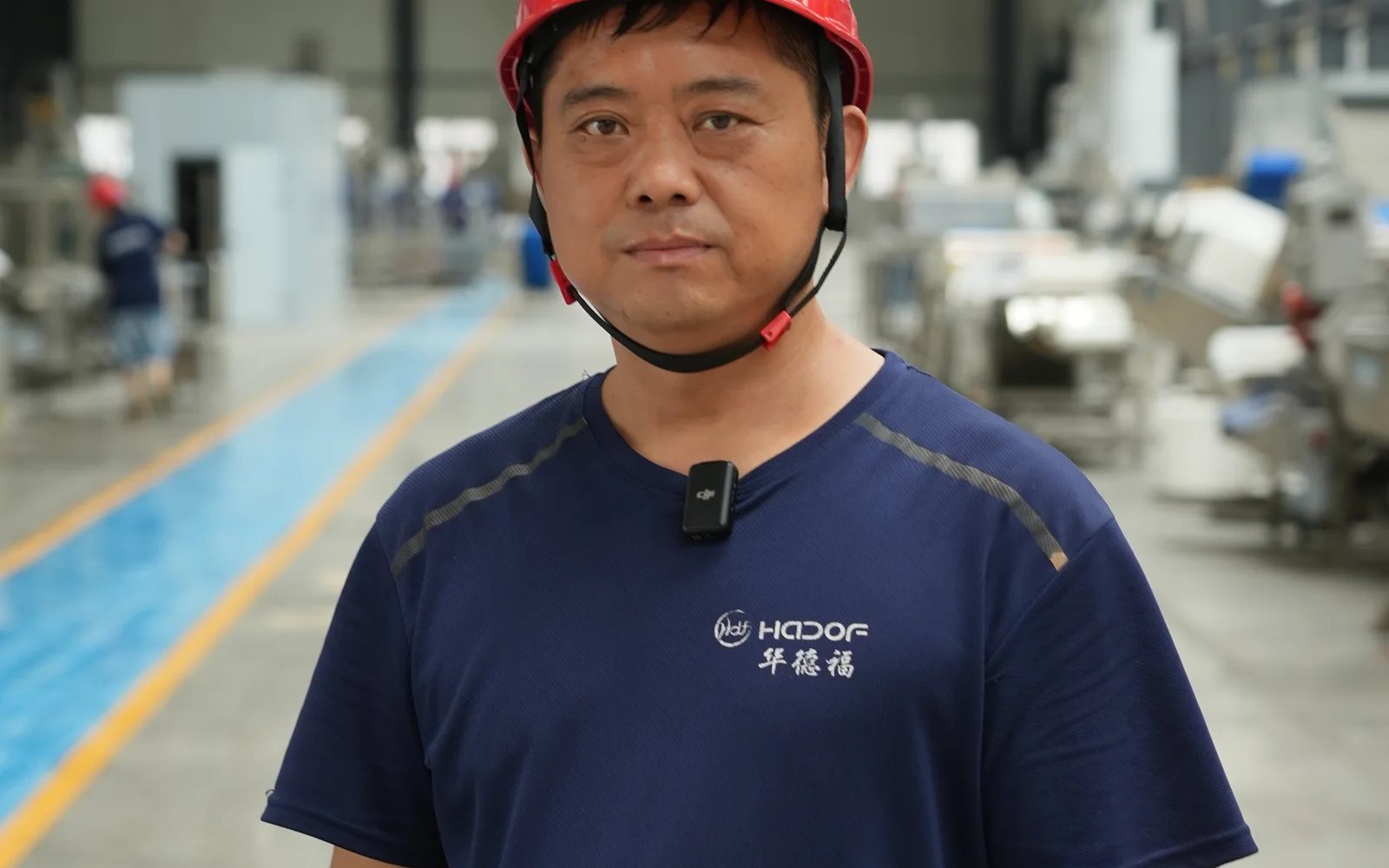
Keep the Equipment Scope Traceable After Delivery
Request Hadof spare-part identification, troubleshooting, installation, commissioning, process support, FAT preparation and operator training.
Evidence Without Hidden Assumptions.
Review source-backed Hadof project records with verified supply context, privacy boundaries, evidence limits and inputs for comparable projects.
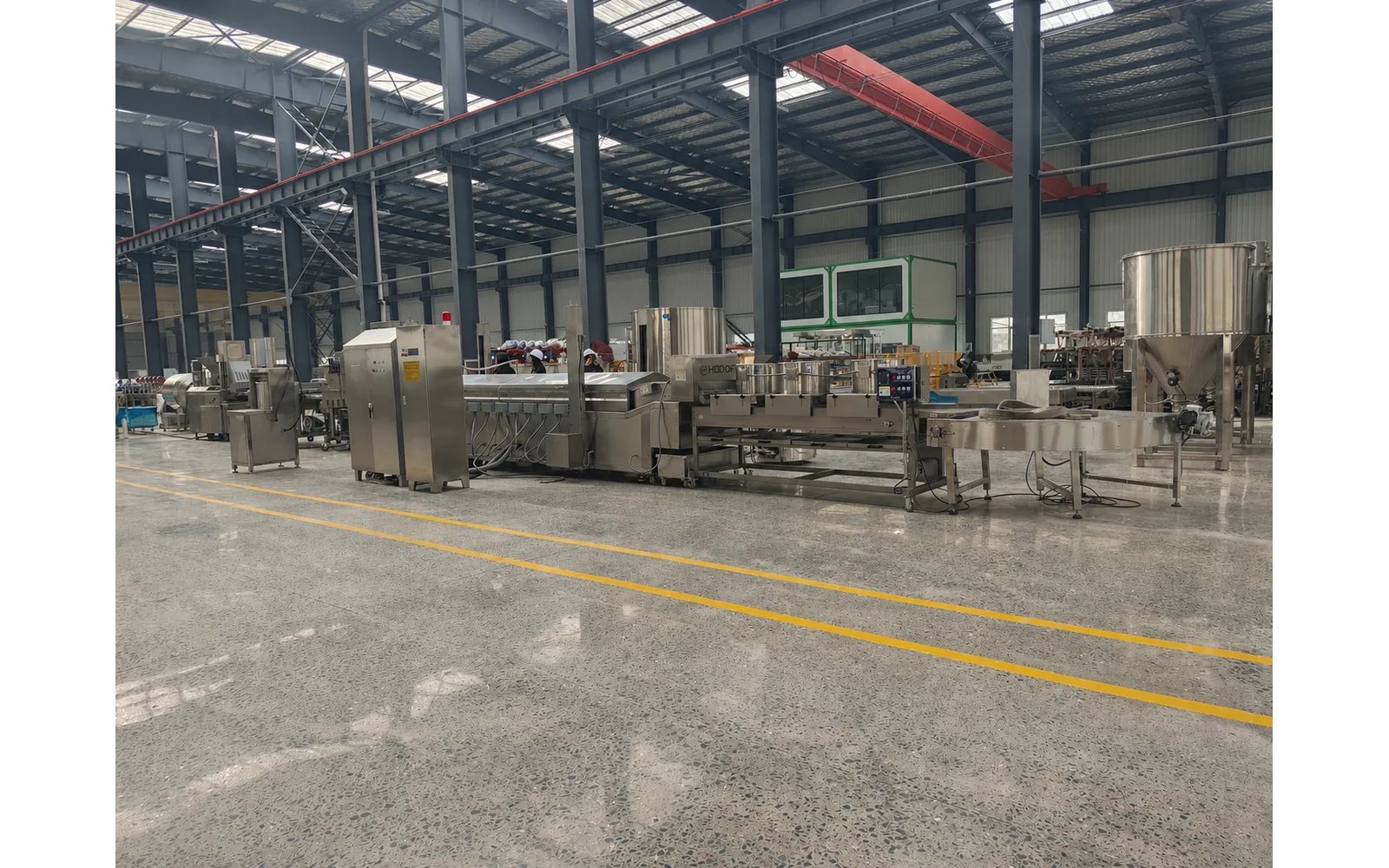
Your Partner for Complete Food Processing Systems
Learn how Hadof coordinates food applications, processing routes, equipment interfaces, evidence, delivery scope and responsible technical publication.

Meet the Functions Behind a Food Machinery Project
Meet the Hadof process, installation, training, FAT and site-testing functions that support defined food machinery project decisions and handover.
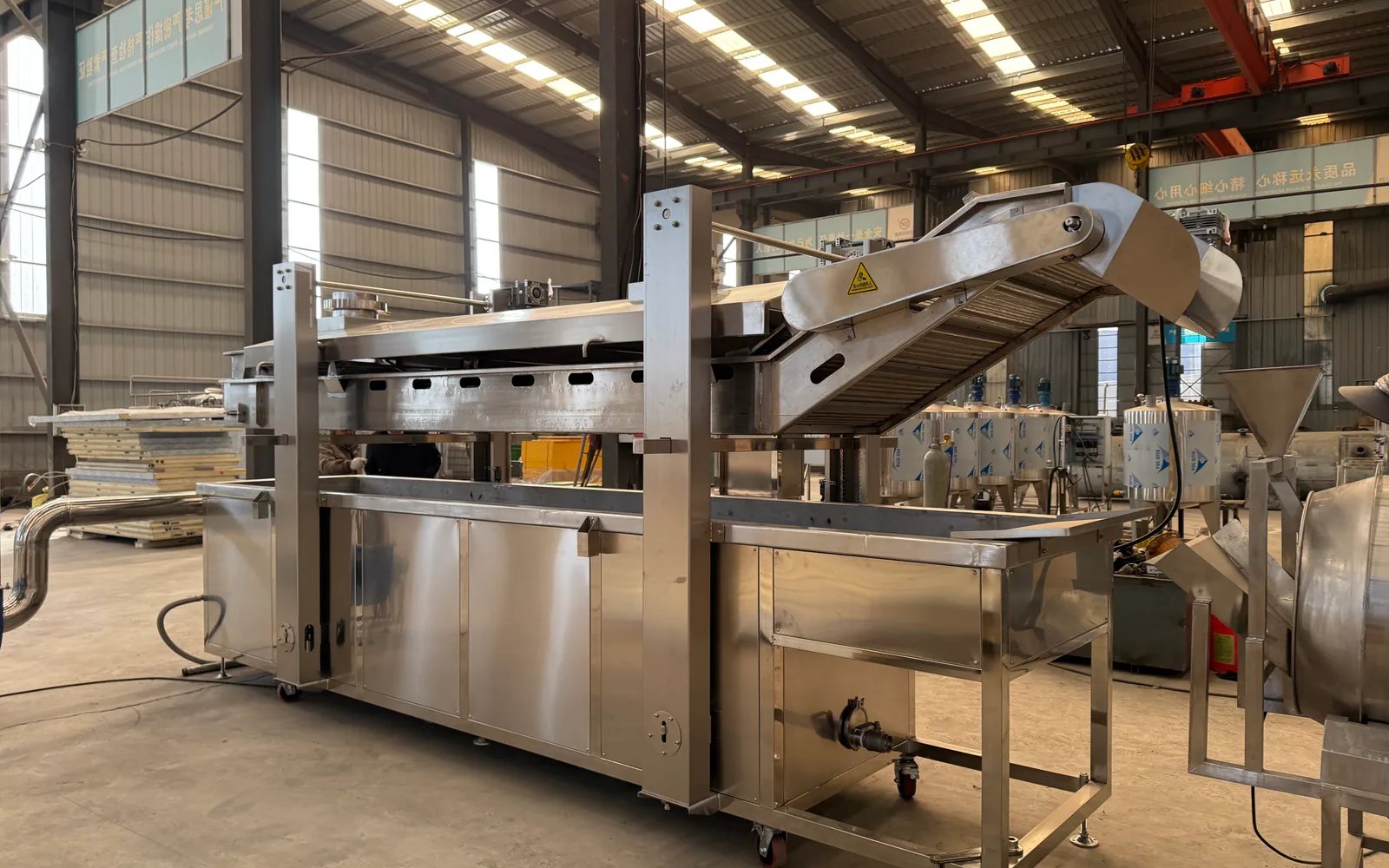
Food Processing Project Inquiry FAQ
Prepare a food processing machinery inquiry with clear product, output, factory, quotation, delivery, acceptance and support information.