
Who this is for
Food Processing Project Inquiry FAQ
Review the process, equipment duties and project boundary from one defined basis.
Use this FAQ before requesting a final model or price.
It is designed for owners, procurement teams, food technologists, engineers and distributors who have a real product or factory decision but may not yet have a complete technical brief.
You do not need every value before the first inquiry. You do need to separate known facts from assumptions and list the inputs that remain open.
| Early concept | Define the food, finished result, approximate output, location and current uncertainty. |
|---|---|
| Equipment replacement | Record the current process, bottleneck, interfaces, available space and acceptance target. |
| Complete line | Map every stage, utility, control handoff, packaging boundary and project-party responsibility. |
| Quotation comparison | Normalize scope before comparing configuration, delivery, testing and support. |
Use this FAQ before requesting a final model or price, because the questions it answers are the ones that determine whether a quotation is even comparable. A buyer who asks for a price before fixing the product, the output and the scope receives a number, not an answer, and that number cannot be compared with anything. The FAQ orders the work so the request that eventually goes out is specific enough to be answered honestly.
Treat the FAQ as the start of a technical conversation rather than a gate to a sales call. Its purpose is to surface the product, factory and acceptance questions that must be settled before equipment can be selected, so that both the buyer and the supplier work from the same written basis. A well-prepared enquiry shortens the review and reduces the chance of a quotation that quietly assumes the wrong product.
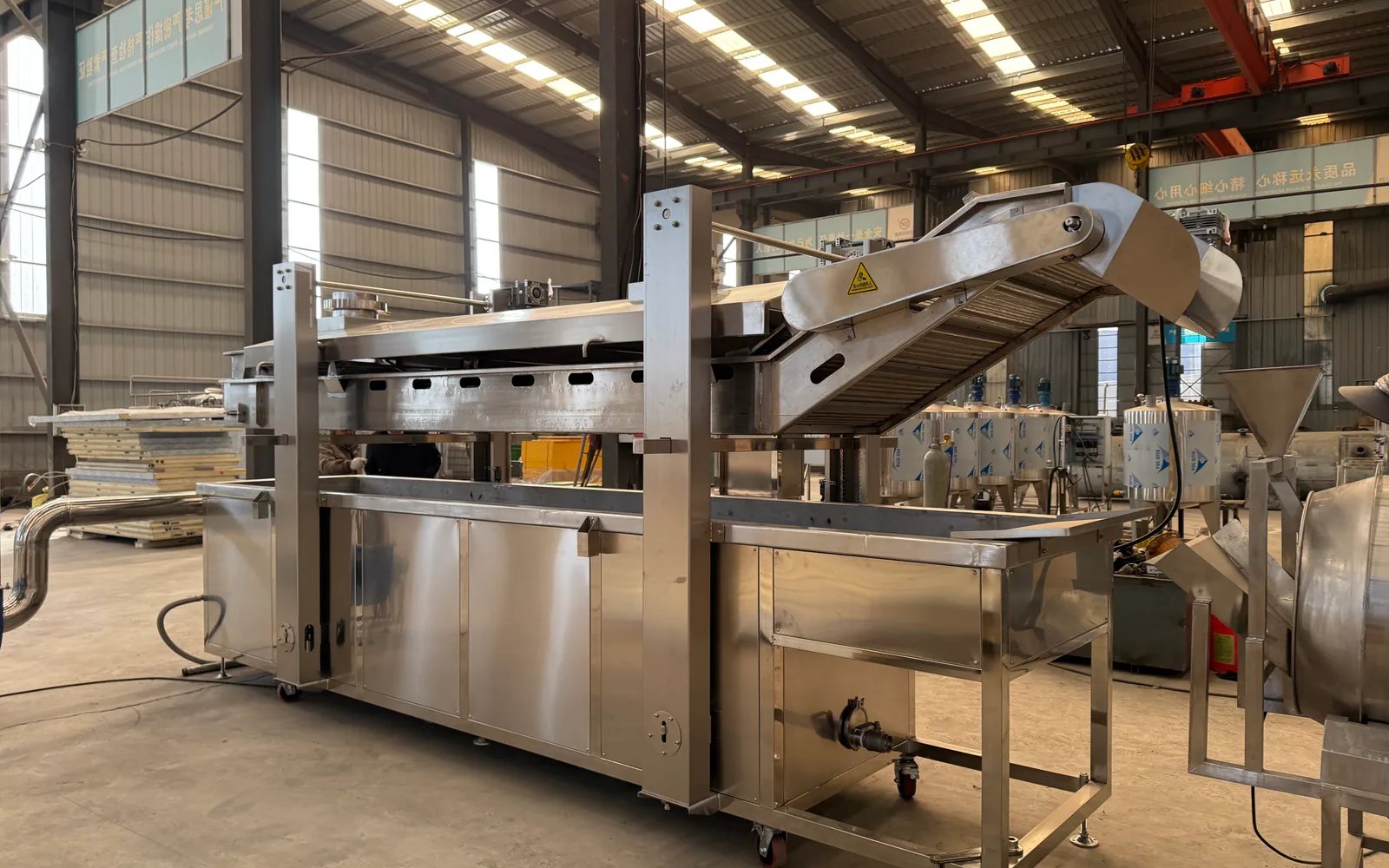
Resolve questions in the same order as procurement risk.
Understanding comes before fit; fit comes before quotation; quotation comes before delivery and acceptance responsibility.
Understand
Food, result and process duty.
Check fit
Operating inputs and interfaces.
Define scope
Configuration, price factors and exclusions.
Control risk
Evidence, delivery, support and acceptance.
Resolve the questions in the same order as the procurement risk, because the biggest risks sit at the start of the project. The product definition, the required output and the acceptance basis are settled before the machine list, and the machine list is settled before the price. Answering them out of order produces a quotation that must be reworked the moment the first assumption changes.
Work from product to factory to equipment to scope. First establish what the line must make and at what rate, then record the utilities, space and site constraints, then choose the equipment and only then ask for a committed price. This order keeps each answer supported by the previous one, and it prevents the common failure of pricing a machine before the product that machine must process is known.
First establish what the line must make and at what rate, then record the utilities and site, then choose the equipment and only then ask for a committed price.
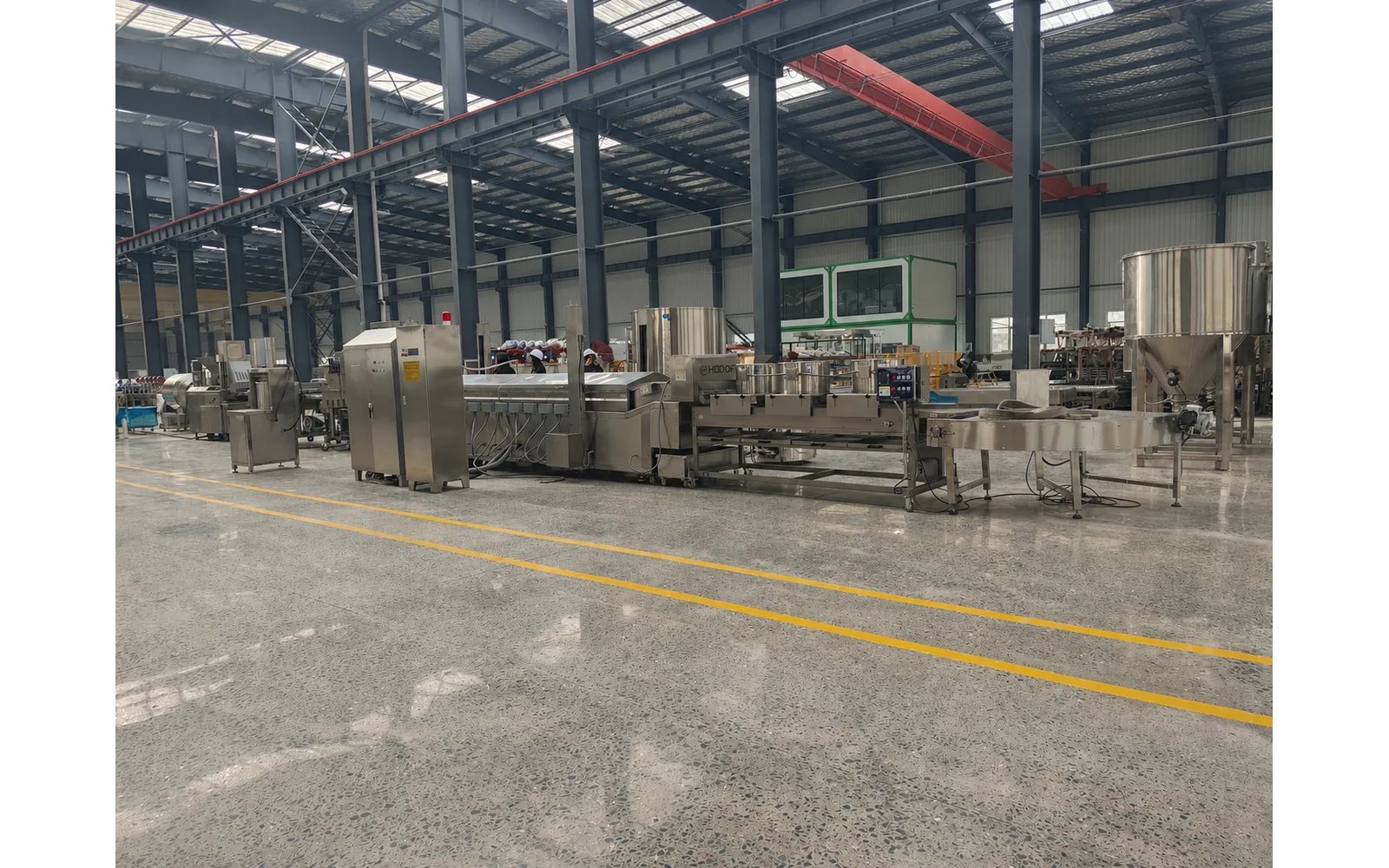
Know which document carries which commitment.
Risk and support boundary
A web answer is orientation. The approved quotation, technical agreement, layout, interface list, test protocol and delivery documents carry the project-specific scope.
Decision guidance
Explains common logic and identifies the evidence needed.
Technical proposal
Applies the product and factory inputs to a configuration.
Approved scope
Freezes inclusions, exclusions, terms and responsibilities.
Acceptance record
Documents the agreed method, condition and observed result.
Know which document carries which commitment, because buyers often mistake a catalog for a quotation and a quotation for a contract. The catalog shows a model family and reference values; the quotation shows a configured scope and a price; the contract, with its acceptance criteria, is what the supplier is actually committed to deliver. Each document has a different weight.
Read them in order and keep them separate. A reference value in a catalog is not a performance promise, a quotation is only binding where it names the scope and conditions, and the acceptance plan is where the promised result is finally defined. When the buyer understands which document carries which commitment, the project is far less likely to end in a dispute over a figure that was never promised.
A catalog is not a promise, a quotation is only binding where it names the scope, and the acceptance plan is where the result is finally defined.
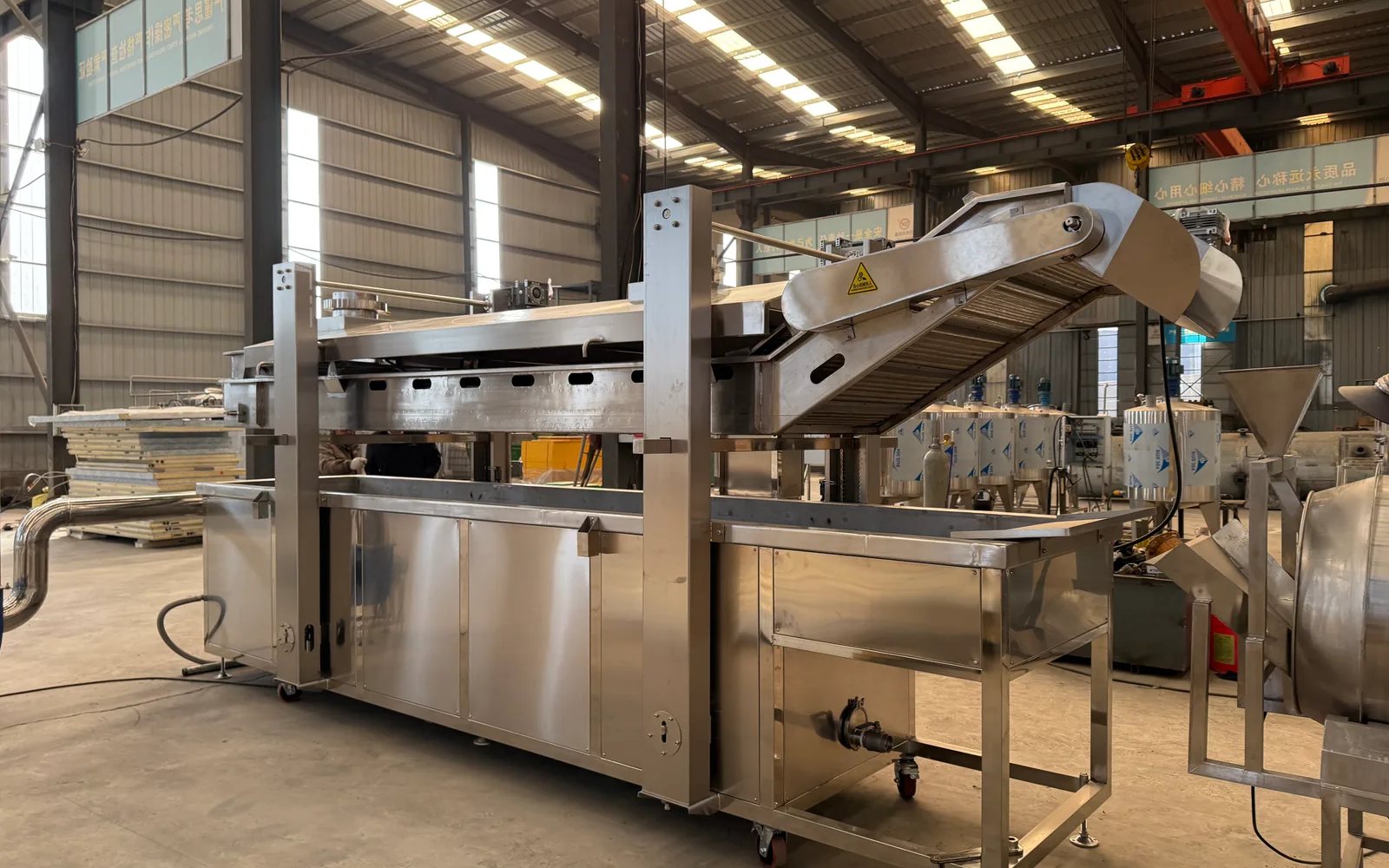
Use evidence before asking for commitment.
Filter and compare equipment by required change in the food.
Compare Process Duties
Review Selection Methods
Connect parameters, risks, interfaces and acceptance.
Inspect acceptance boundaries
Separate verified supply scope from unavailable operating results.
Frequently asked questions
What information should be included in the first project inquiry?
Which equipment model fits my product?
Can a catalog capacity be used as the guaranteed line output?
What factors affect the quotation?
How is delivery scope confirmed?
How are installation and commissioning responsibilities divided?
What prevents a wrong equipment selection?
What is the next step after submitting the project brief?
Use evidence before asking for commitment, because a supplier can only commit to what has been tested. A product trial, a written scope and an acceptance plan are the evidence that turns a proposal into a defensible purchase, and they should exist before the final order is signed. Asking for commitment before the evidence is in forces the supplier to guess and the buyer to accept the guess.
Then carry the evidence into the contract. The same product, output and measurement conditions that were used in the trial should appear in the acceptance plan, so the machine is judged on the same basis it was selected. Evidence before commitment is what protects both sides and what makes the final price meaningful.
Prepare One Enquiry That Suppliers Can Answer
One enquiry, one basis
Prepare one enquiry that suppliers can actually answer. Consolidate the product, the output, the pack format, the utilities and the acceptance requirements into a single brief, and send the same brief to every supplier. A scattered set of questions produces scattered answers, while one brief lets the suppliers quote against the same basis and makes their proposals comparable.
Keep the brief versioned and dated. As the project develops, the brief changes, and the supplier responses should be tied to a version so no one is comparing an answer to an older question. One enquiry, one basis and one version is how a buyer turns a pile of quotations into a decision.
Consolidate the product, the output, the pack format, the utilities and the acceptance requirements into one brief, and send the same brief to every supplier. A scattered set of questions produces scattered answers, while one brief lets suppliers quote against the same basis and makes the proposals comparable.
Keep the brief versioned and dated, and tie every supplier response to a version, so no one is comparing an answer to an older question. One enquiry, one basis and one version is how a pile of quotations becomes a decision.

Close the Gaps Before the Order
Open questions become site surprises
Close the gaps before the order, because every open question becomes a site surprise. The utility supply, the installation access, the training and the first service visit are all scope items that are easy to leave open and expensive to resolve during commissioning. List the open questions and close each one in writing before the purchase is signed.
Assign each gap an owner and a date. A question about who connects the compressed air or who provides the drainage should have a named answer in the scope, not a note to be resolved later. Closing the gaps is what turns a quotation into a deliverable project, and it is the last step before the order is placed.
The utility supply, the installation access, the training and the first service visit are all scope items that are easy to leave open and expensive to resolve during commissioning. Assign each gap an owner and a date, and close it in writing before the purchase is signed.
A question about who connects the compressed air or who provides the drainage should have a named answer in the scope, not a note to be resolved later. Closing the gaps is what turns a quotation into a deliverable project.
Related pages
Define the Project Before Comparing Quotes.
Use practical buyer guides to prepare project inputs, compare technologies, control quotation risk and define food machinery acceptance scope.
Define Scope Before Production Begins
Define technical release, documents, inspection, packing, installation support and acceptance responsibilities for a food machinery project.
Start With the Product and Operating Basis
Send Hadof your food product, target output, operating plan, utilities, layout and delivery scope for a structured technical project review.