
Equipment Import, Compliance & Support FAQ
Destination-first answers for certification, utilities, payment, lead time and after-sales before a food equipment order.
Fix the Destination First
Certification, voltage, duty and payment differ by destination. The same line can be quoted for one market and uninstallable in another until these four items are fixed, so the destination is the first procurement input.
A market page or guide gives documented orientation. The approved quotation and technical agreement then freeze the destination-specific values before manufacture.
The destination is the first input because it changes everything downstream: the certificate, the voltage, the duty and the payment. The same line quoted for South Africa and for the Gulf is really two different projects until those four items are fixed, and a quotation prepared before the destination is known cannot be compared with another.
Fix the destination with the buyer before the technical review, and carry it through every document that follows. The market page and the import checklist give the orientation, and the quotation then freezes the destination-specific values so the machine that is built, shipped and cleared is the machine the destination actually accepts.
When the destination changes mid-project, restart the compliance and utility checks from the new market rather than carrying the old values forward.

The destination is also the first question to re-ask whenever the project changes hands, so the new owner inherits the same basis.
Five Decisions That Change the Order
Five recurring decisions decide whether the line can be imported, installed and paid for on the agreed schedule: certification, utilities, payment, lead time and after-sales.
Certification
South Africa applies SABS/NRCS, Halal markets require food-contact Halal conformity, the EU applies CE and EN 1672-2 hygiene design, and Nigeria uses the SONCAP/NAFDAC path. A certificate confirms conformity; it still has to be matched to the destination.
Voltage and utilities
Record the destination supply with the buyer. Common ranges are 110–120 V, 220–240 V and 380–415 V at 50 or 60 Hz, plus compressed air, water, drainage, steam or refrigeration. A wrong motor or control supply is expensive to correct after shipment.
Payment and currency
Use a letter of credit or staged T/T against documents, add export credit insurance where useful, and settle in USD or RMB with a clear currency and exchange-adjustment clause. The payment schedule follows evidence, not promises.
Lead time
Lead time follows the product line, configuration and current production loading. A standard single machine ships faster than a configured line; the confirmed delivery date is stated in the quotation after the technical review.
After-sales and spare parts
Wear parts, manuals, remote diagnostics and a defined response time keep the line running. Confirm who holds parts locally and who calibrates or services the equipment after commissioning.
Duty and VAT
Normally the quotation states equipment, packing and freight term. Destination duty, VAT and clearance are confirmed against the HS code and delivery route before order, so the landed cost is visible up front.
Staging and expansion
Modular lines can start with one product and add capacity or packaging formats later. Confirm the utility reserve and future interfaces at the start so an upgrade does not become a retrofit.
Common Procurement Questions
The answers below apply the same destination-first logic to the questions buyers ask most often.
Frequently asked questions
What certification does food processing equipment need for my destination?
Which voltage and frequency should the equipment be built for?
How can payment and currency risk be reduced on an export order?
What is the typical lead time?
What after-sales support is provided?
Are import duty and VAT included in the equipment price?
Does a certificate guarantee the equipment can be installed?
How should quality or compliance claims be verified?
Can the line start with one product and expand later?
What should be fixed before comparing quotations?
| Certification | SABS / NRCS, Halal, CE / EN 1672-2, SONCAP / NAFDAC by market |
|---|---|
| Utilities | Voltage, frequency, air, water, drainage, steam or refrigeration |
| Payment | Letter of credit, staged T/T, export credit insurance, RMB or USD |
| Support | Spares, manuals, remote diagnostics, response time |
Related pages
Food Processing Equipment Import & Compliance Checklist
Checklist for importing food processing machinery: destination certification, voltage and utilities, duties and VAT, payment terms and local service.
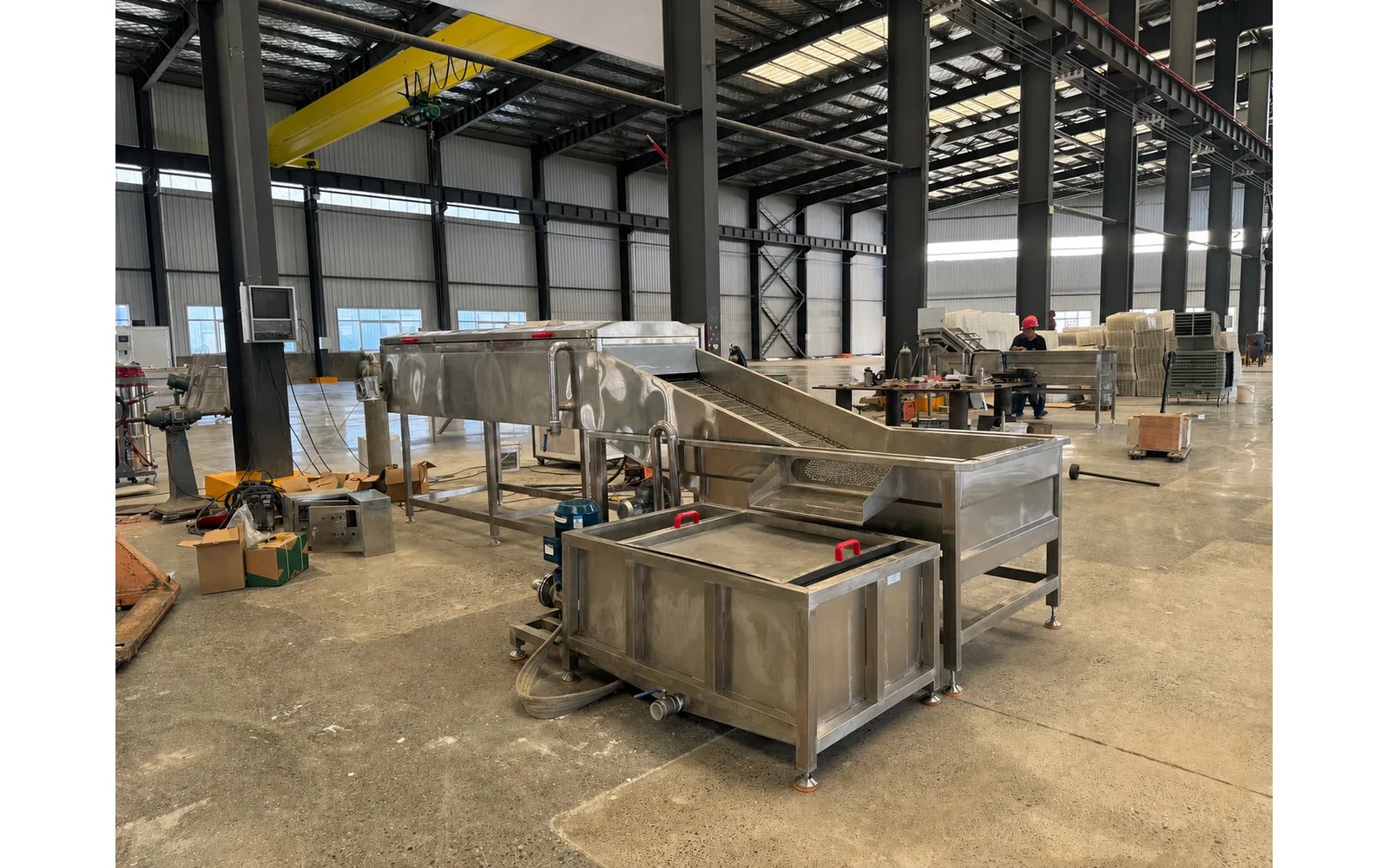
Read the Market. Build the Right Line.
Documented food processing demand and entry requirements for South Africa, Nigeria, Egypt, UAE, Mexico and Indonesia, mapped to Hadof lines and buyer resources.
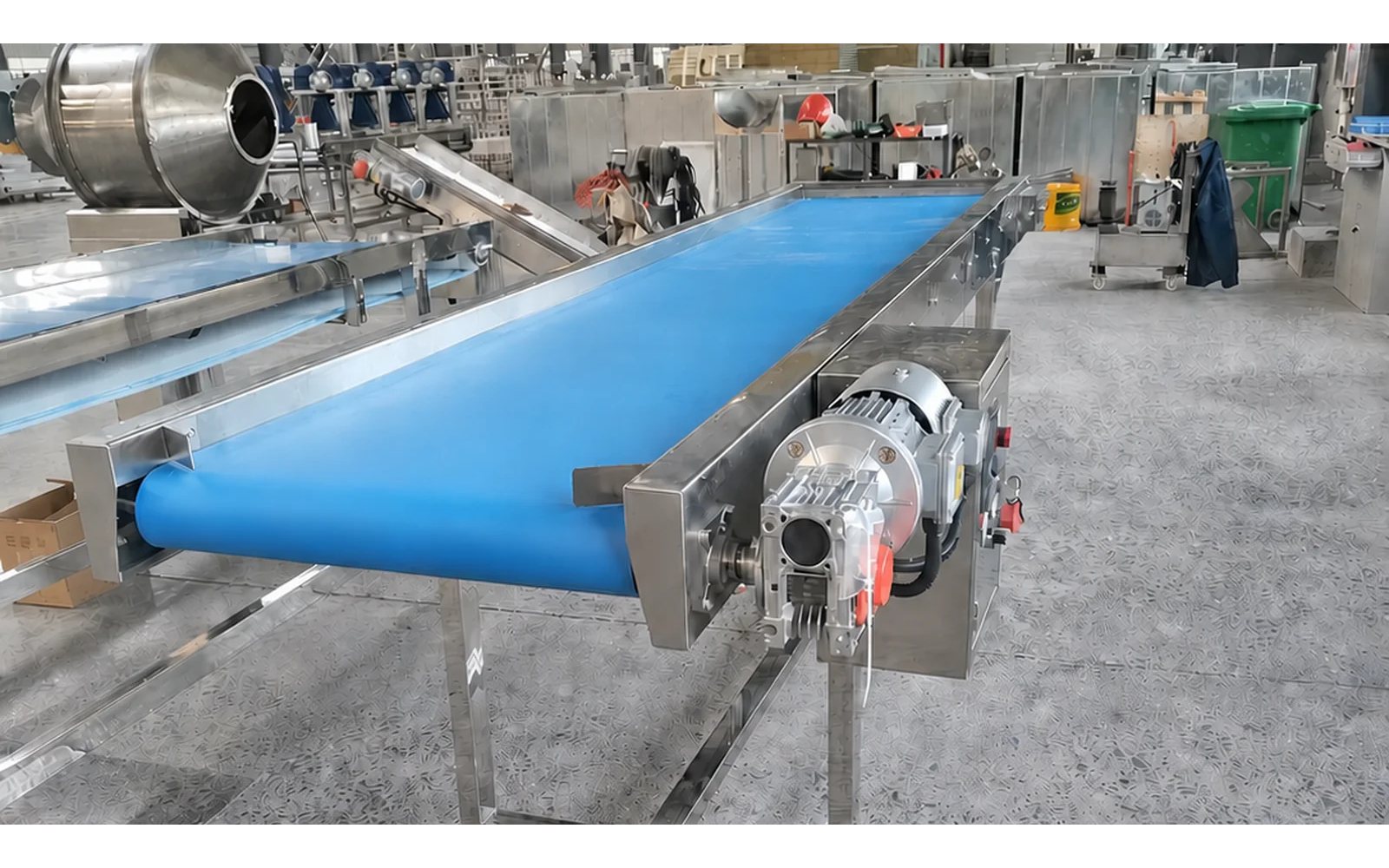
Find Equipment by Process Duty
Filter Hadof food processing equipment by duty, compare catalog references and carry a selected equipment combination into technical review.
Start With the Product and Operating Basis
Send Hadof your food product, target output, operating plan, utilities, layout and delivery scope for a structured technical project review.