
Vegetable Processing Line
Review the process, equipment duties and project boundary from one defined basis.
Do Not Put Every Vegetable Through the Same Route
Product structure, soil load, flotation behavior, cut format and damage sensitivity determine the washing action, transfer method and water-removal stage.
Root vegetables
For potatoes, carrots and comparable firm products where soil removal, abrasion or peeling and controlled cutting may be required.
- Robust receiving and soil handling
- Root-oriented washing action
- Optional peeling and trimming
- Cutting followed by rinse or thermal preparation
Leafy and fragile products
For leaves and delicate vegetables where gentle movement, separation, inspection and surface-water management are central.
- Manual preparation and inspection boundary
- Gentler water movement and product transfer
- Foreign-material and reject handling
- Controlled draining or drying before packing
Declare the product sequence, recipe or setting changes, cleaning window and acceptable retained water or product carryover. A line that can physically transport several products is not automatically suitable for every changeover plan.
Root causes and process risks
Do not put every vegetable through the same route, because each crop has its own behaviour. Record the vegetable family, its size range, its fragility and the soil it carries, then define the route each one needs. A root crop that must be washed and cut is a different line from a leafy crop that must be washed and dried, and forcing them through one route damages one or the other.
Group the crops by the processing they share, not by a wish for a universal line. Vegetables that share a washing and cutting sequence can be grouped, while those that need different actions stay on separate routes. The line is built from the crop groups you actually process, and that grouping is the first decision.
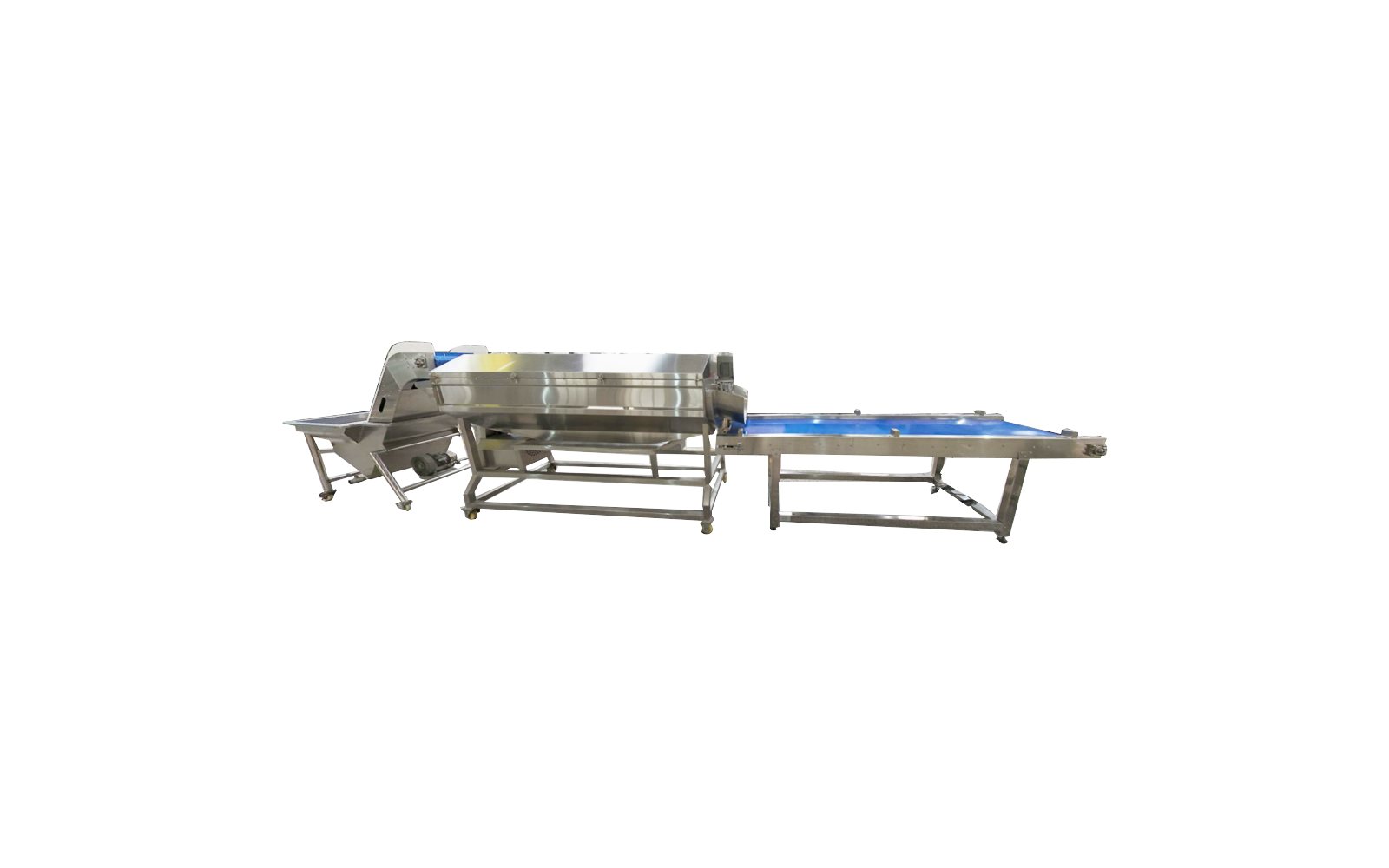
Control the Variables That Destabilize the Line
A useful configuration starts with the constraint that can change product condition at the next handoff. These are review points, not assumed performance claims.
Soil, size and firmness alter washing duty
A nominal crop name does not describe loading behavior. The product specification should define the range used for equipment selection and the product trial.
Excess action can increase damage risk
Brush action, agitation, transfer height and residence basis should be reviewed against the acceptable damage and loss criteria for the finished product.
Wet discharge affects the next process
Retained water can change cutting stability, frying load, freezer feed condition or packaging readiness. The discharge requirement belongs in the line brief.
Changeovers can become the real bottleneck
Product sequence, retained material, cleaning access and recipe changes determine whether shared equipment supports the planned production rhythm.
From receiving to the next process
Control the variables that destabilize the line before they control you. Soil load, product size variation, surface moisture and the feed rate all change how the line runs, and they vary with the season and the supplier. A line that is tuned to one condition drifts as the crop changes.
Measure each variable at the receiving point and design the line to absorb the variation. A pre-wash or a grading stage removes stones and oversize before the delicate stages, and a buffer smooths the feed. Controlling the variables upstream is cheaper than fighting them downstream.
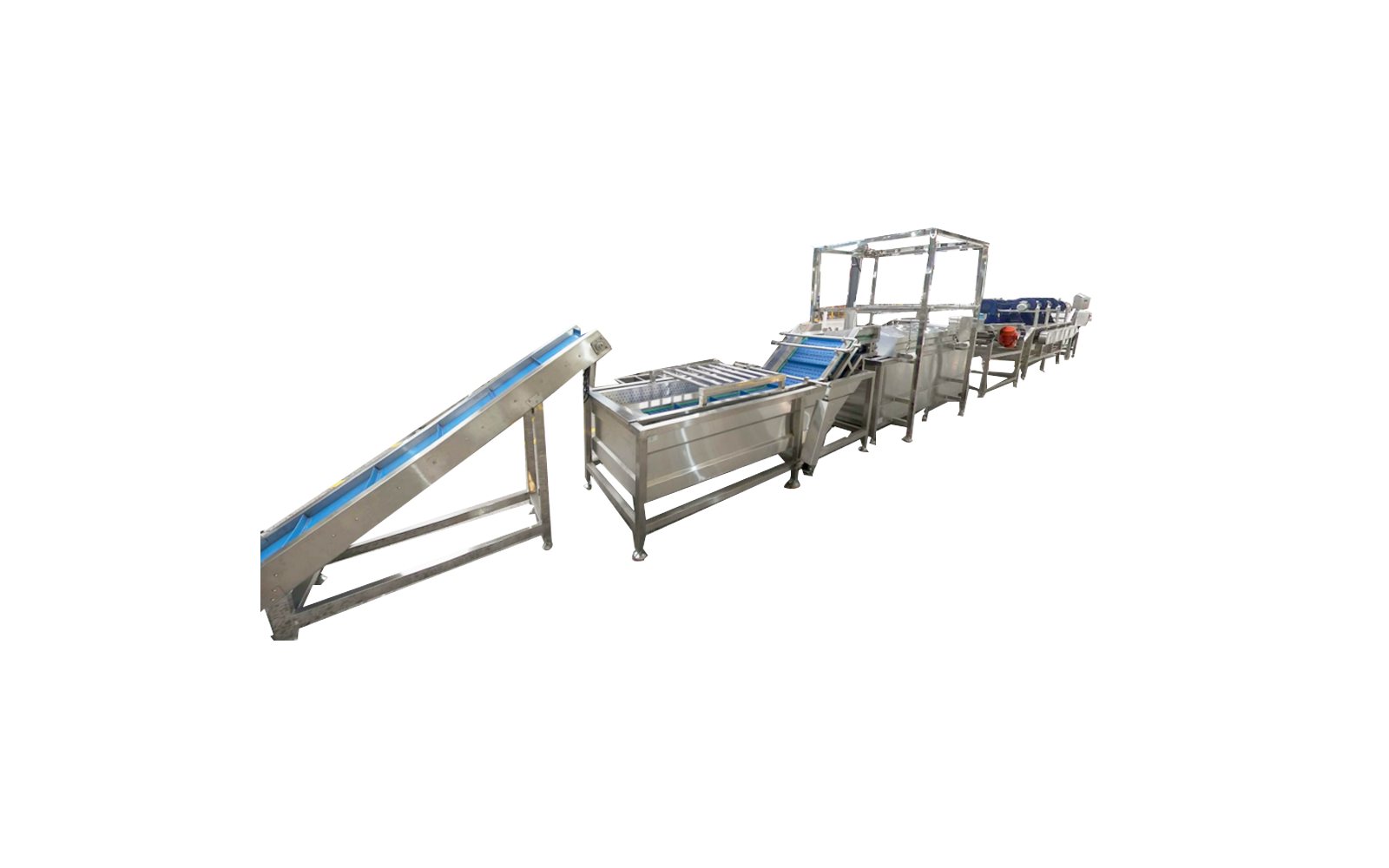
Define an Output Condition at Every Stage
The next machine needs a predictable feed. Each handoff should therefore have a stated product condition, inspection point and responsibility.
- 01ReceivingInspect and prepare the incoming productRecord product family, variety, size range, soil or foreign material, packaging removal and preliminary trimming.Incoming acceptanceReject and waste routeOperator inspectionBuyer input
- 02Primary cleaningSelect the washing actionChoose equipment according to product behavior and the required result rather than using one generic “washing capacity” figure.Product-water interactionResidence and loading basisDischarge conditionWashing options
- 03PreparationSort, trim, peel or cutDefine where manual inspection sits, which cut formats are required and how offcuts leave the production area.Cut dimensionsProduct orientationDamage toleranceCutting models
- 04Optional treatmentRinse, blanch or cool where requiredThermal treatment is included only when the finished product and downstream process require it. Time, temperature and cooling basis must be agreed for the actual food.Treatment objectiveHeating and cooling utilitiesProduct condition at transferOptional module
- 05Water removalDrain or dry to the next-stage requirementSurface water affects inspection, cooking, freezing and packaging. Specify the desired discharge state and how it will be assessed.Product fragilitySurface-water basisTransfer and buffer methodProduct trial
- 06Downstream handoffDeliver to packing, cooking or freezingCoordinate elevation, flow stability, product temperature and downstream capacity before the final layout is frozen.Packaging interfaceCooking feedIQF feed conditionTransfer equipment
Inspect and prepare the incoming product
Record product family, variety, size range, soil or foreign material, packaging removal and preliminary trimming.
- Incoming acceptance
- Reject and waste route
- Operator inspection
Select the washing action
Choose equipment according to product behavior and the required result rather than using one generic “washing capacity” figure.
- Product-water interaction
- Residence and loading basis
- Discharge condition
Sort, trim, peel or cut
Define where manual inspection sits, which cut formats are required and how offcuts leave the production area.
- Cut dimensions
- Product orientation
- Damage tolerance
Rinse, blanch or cool where required
Thermal treatment is included only when the finished product and downstream process require it. Time, temperature and cooling basis must be agreed for the actual food.
- Treatment objective
- Heating and cooling utilities
- Product condition at transfer
Drain or dry to the next-stage requirement
Surface water affects inspection, cooking, freezing and packaging. Specify the desired discharge state and how it will be assessed.
- Product fragility
- Surface-water basis
- Transfer and buffer method
Deliver to packing, cooking or freezing
Coordinate elevation, flow stability, product temperature and downstream capacity before the final layout is frozen.
- Packaging interface
- Cooking feed
- IQF feed condition
Configuration logic and equipment combination
Define an output condition at every stage, because each machine must hand the next a known product. Washing must deliver a defined cleanliness and surface moisture, cutting a defined size and fines level, dewatering a defined dryness, and packing a defined weight and condition. Without those definitions, each stage is judged by opinion.
Write the measurements that define each condition. Cleanliness by visual or rinse test, surface water by weight gain, cut size by sieve or sample, and dryness by moisture reading. The measurements are what make the handoffs verifiable and what allow the line to be accepted against a result.
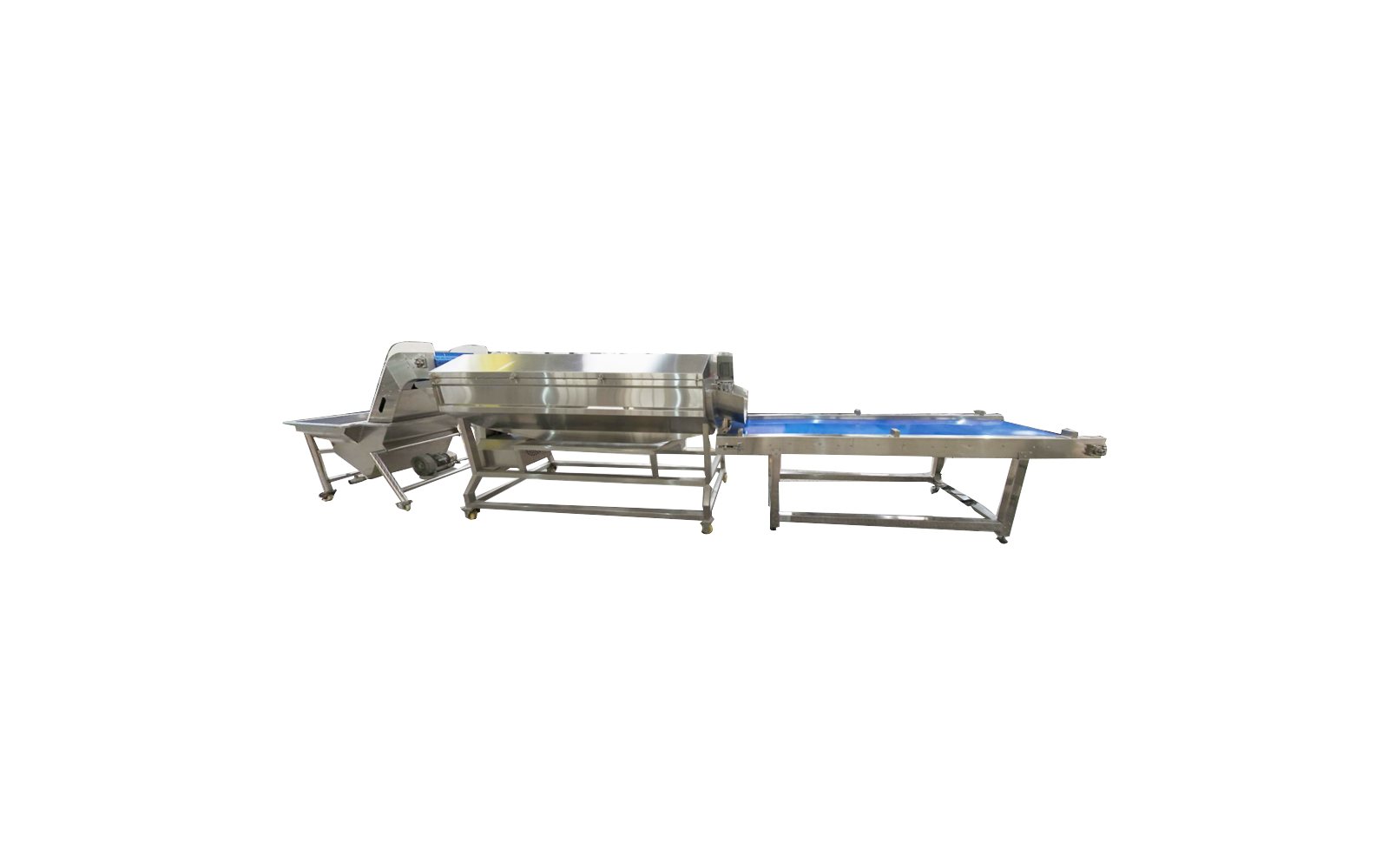
Combine Process Duties Around One Approved Product Basis
The equipment combination is selected inside the system. A stage is included only when it changes the incoming product toward the agreed finished condition or protects the next handoff.
Receive, inspect, wash and transfer
These duties form the base route. Washer family, loading and transfer are chosen from crop behavior, soil load and required discharge condition.
Peel, trim, cut, treat or remove water
Add only the stages required by the finished format. Tooling, thermal treatment and water removal are reviewed separately for root and leafy products.
Connect utilities, access and downstream duty
Water, drainage, service circulation, operator stations, waste removal and the packing, cooking or freezing interface shape the final layout.
Catalog model references describe named equipment. Net line output, materials, controls, certification documents and final scope are confirmed for the selected configuration in the current technical proposal.
Water is a process interface
Combine the process duties around one approved product basis. Once the crop, the output and the finished condition are approved, the washing, cutting, dewatering and packing duties can be combined into a line that serves that basis. Adding a duty the product does not need simply adds cost and cleaning.
Then check each combination against the product. A washer chosen for soil removal, a cutter for the finished size and a dewatering stage for the packing condition must all work on the same crop at the same rate. The combination is defended by showing that each duty serves the approved basis.
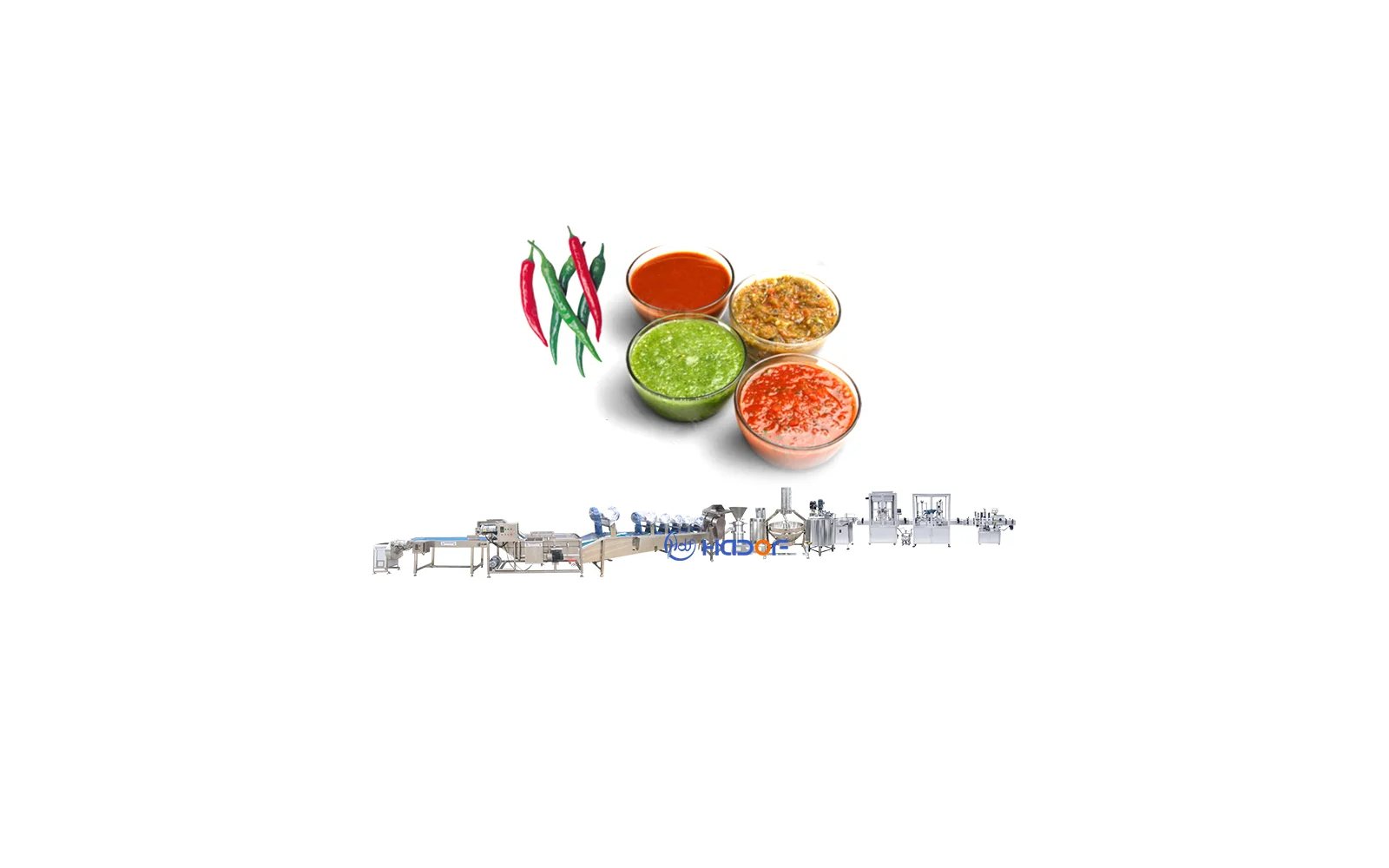
Review Supply, Use and Discharge as One System
The machinery proposal needs buyer-side water information and a defined responsibility boundary. Water quality, treatment and regulatory suitability remain the responsibility of the project parties and local requirements.
| Supply | Available flow, pressure, temperature and connection location. |
|---|---|
| Process use | Fresh-water points, recirculation expectations, filtration and product contact. |
| Discharge | Drain locations, solids or peel handling and buyer-side treatment boundary. |
| Cleaning | Cleaning method, access, schedule and separation from production operation. |
People and product movement
Review the supply, the use and the discharge as one system, because a vegetable line is also a water and waste system. Water enters for washing and leaves carrying soil and organic matter, and the two ends of that flow are as important as the machines in between. A line that uses water it cannot supply or discharge water it cannot drain will stop.
Confirm the water source, its quality and temperature, and the drainage and solids removal at the end. Where water is reused, the filtration between stages must keep the reused water clean enough for its duty. The water system is designed with the line, not after it.
A line that cannot supply or drain its water will stop, no matter how good the washers are.
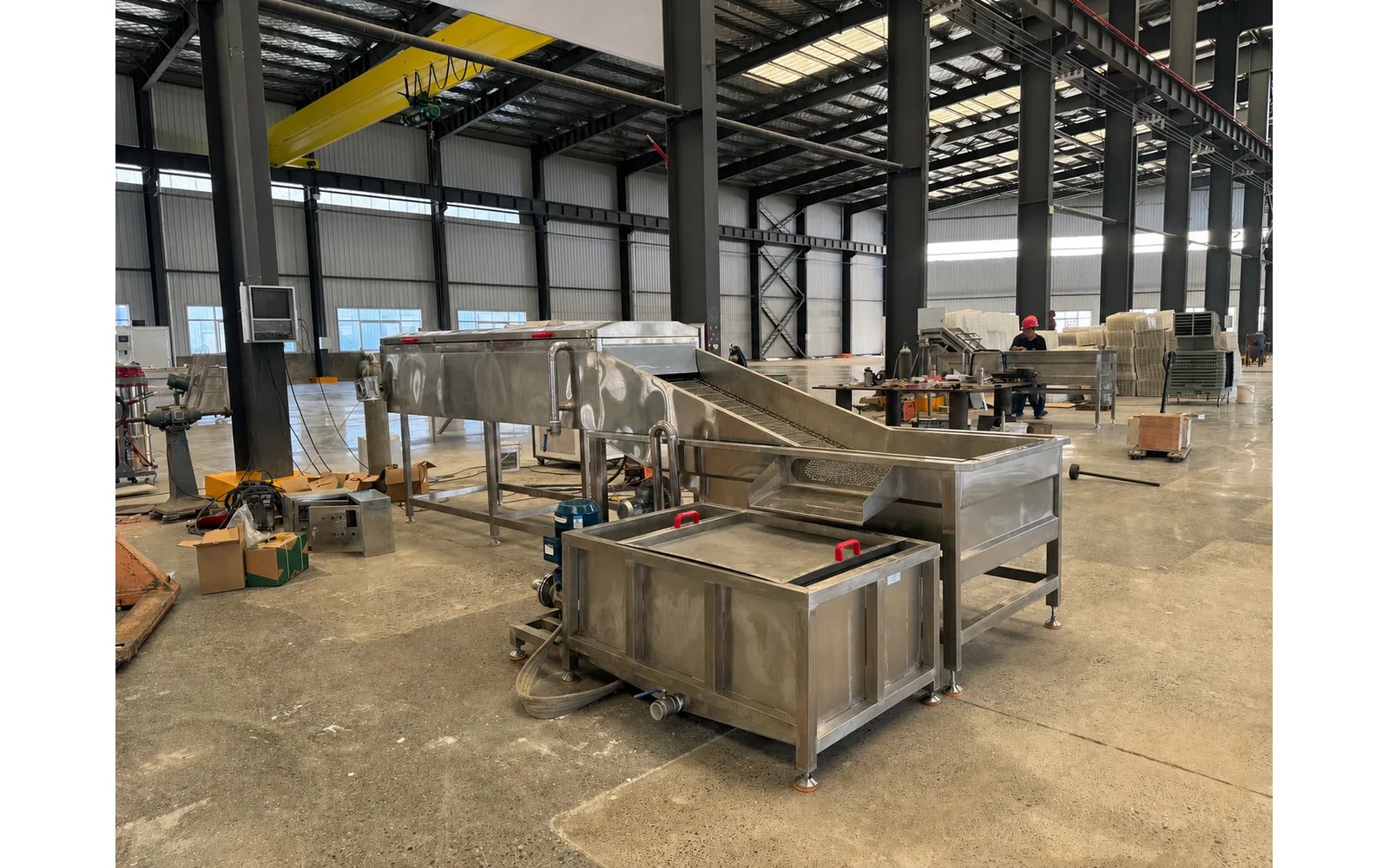
Plan More Than the Equipment Footprint
Incoming packaging, dirty-product storage, soil and reject removal.
Washing, trimming, cutting, operator stations, water and drainage.
Final rinse, draining, drying and protection before the next process.
Cleaning access, maintenance paths, consumables and waste movement.
Questions the layout must answer
- Where does dirty product enter?
- Where do peel, soil and rejects leave?
- How do operators reach inspection points?
- Can equipment be accessed for cleaning?
- Where are wet and finished-product areas separated?
- How does the line connect to packing or further processing?
Model-by-model verification
Plan more than the equipment footprint. The line needs space for receiving, for the water system, for the rejects and for cleaning, and the operators need room to inspect and maintain every stage. A line that fits on paper but leaves no room to work will be run badly or not at all.
Confirm the access routes and the hygiene zones in the layout. Dirty receiving areas should be separated from clean packing areas, and the flow of product, people and waste should not cross in a way that contaminates the product. The layout is a hygiene decision as much as a space decision.
The layout is a hygiene decision as much as a space decision.
Separate the dirty receiving area from the clean packing area so the product, people and waste flows do not cross.
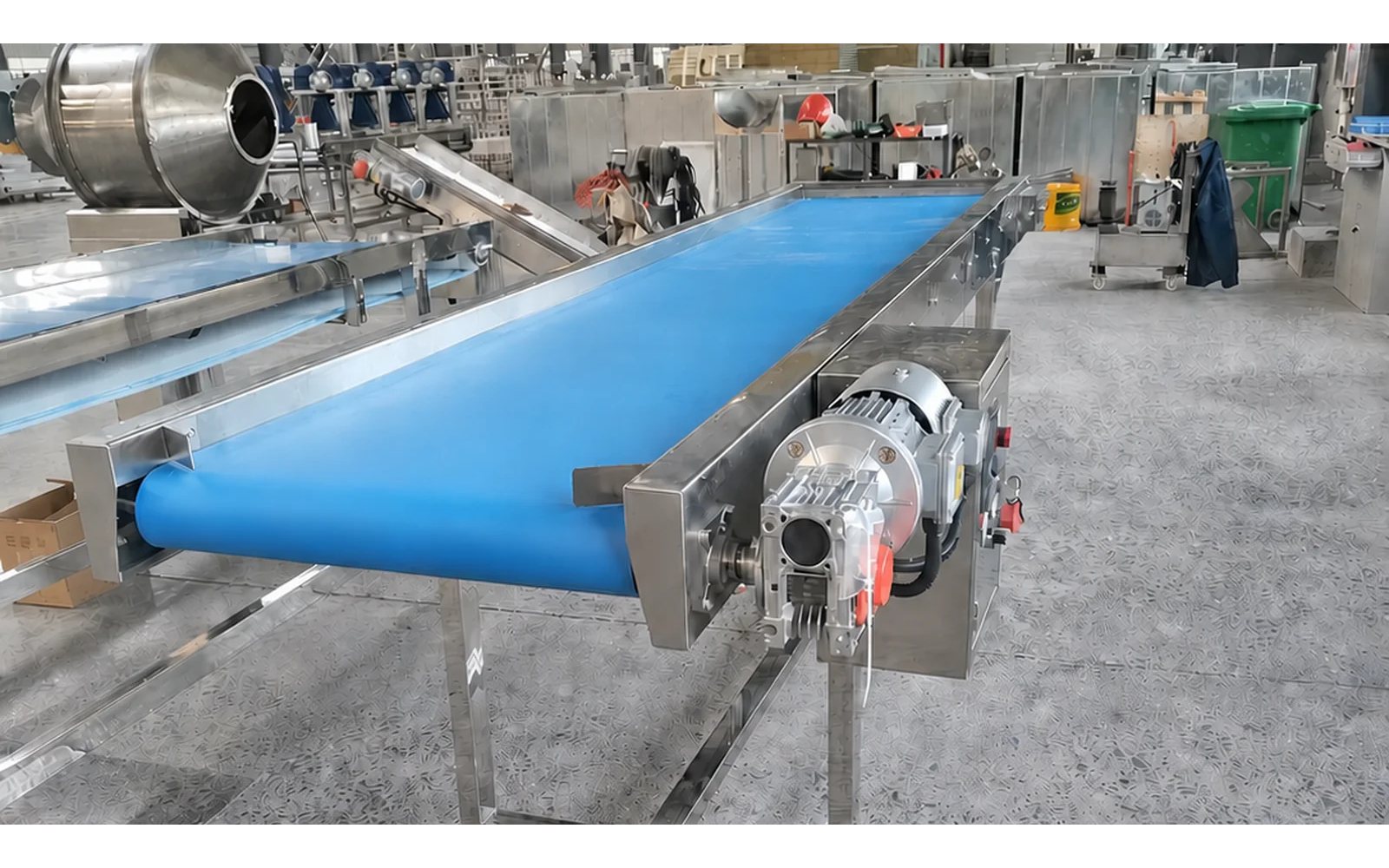
Agree What “Washed” and “Prepared” Mean
No broad hygiene, damage or compliance result is assumed from a machine name alone.
Identify test product
Record variety, incoming condition, size distribution and soil load.
Define output
Describe wash result, cut format, visible damage and surface-water condition.
Inspect operation
Agree feed basis, test duration, operator actions and sampling method.
Verify documents
Review model parameters and certification notes individually. CE is mentioned only where the selected Vegetable Processing Line model has supporting documentation.
Evidence and verification boundary
Agree what washed and prepared mean before the line is accepted. A buyer and a supplier can both use the word clean while meaning different things, so write down the residual soil, the microbial target and the cut size that define the words. The definitions are the acceptance criteria.
Then test against those definitions with representative crop. A visual check, a rinse test and a size sample together show whether the product meets the agreed meaning, and the results are recorded. Agreeing the words first is what turns a vague promise into a measurable handoff.
Agreeing the words first turns a vague promise into a measurable handoff.
Write down the residual soil, the microbial target and the cut size that define the words.
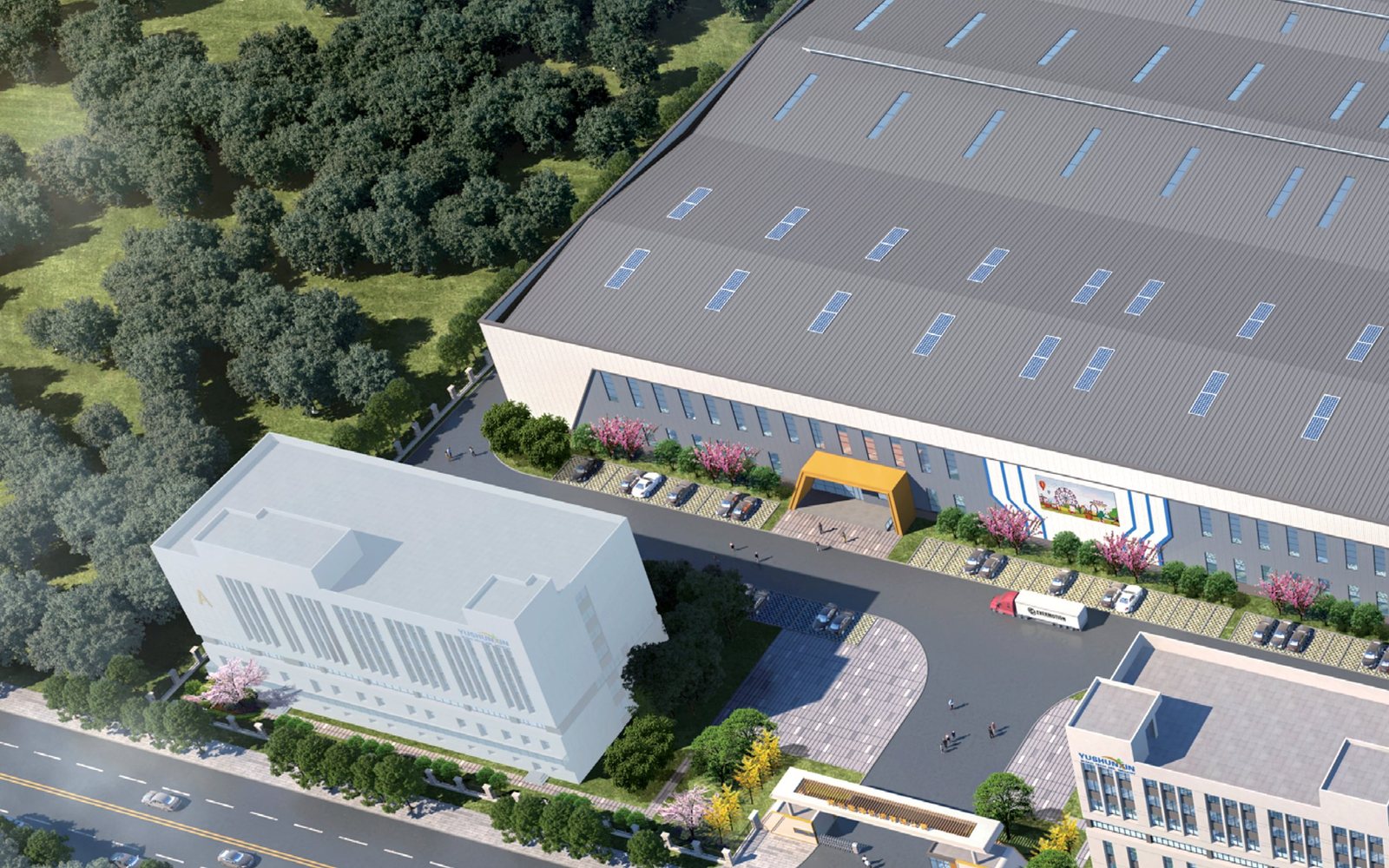
Use Each Source for the Decision It Can Support
The project review separates visible equipment context, model values and project-confirmed values.
Published Hadof model information supports named washer and cutter references and their printed reference values.
Approved Hadof renderings and workshop photographs show equipment-family and transfer context. No customer, model or operating result is inferred from an image.
Representative product, selected stages, utilities, layout and acceptance method are reviewed together before models and interfaces become a project commitment.
Use each source for the decision it can support. The catalog shows the model family, the trial shows your product, and the quotation shows the scope, and each one answers a different question. Using a catalog figure to decide your product's performance is using the wrong source for the question.
Keep the sources separate and labelled in the review. Where a figure is a reference, say so; where it is a trial result, record the conditions. That discipline is what keeps the decision honest and what lets the buyer see exactly what supports each claim.
Using a catalog figure to judge your product is using the wrong source for the question.
Keep the sources labelled so the buyer can see exactly what supports each claim.
A reference is a reference, and a trial is a trial, and the two are never read as the same kind of claim.
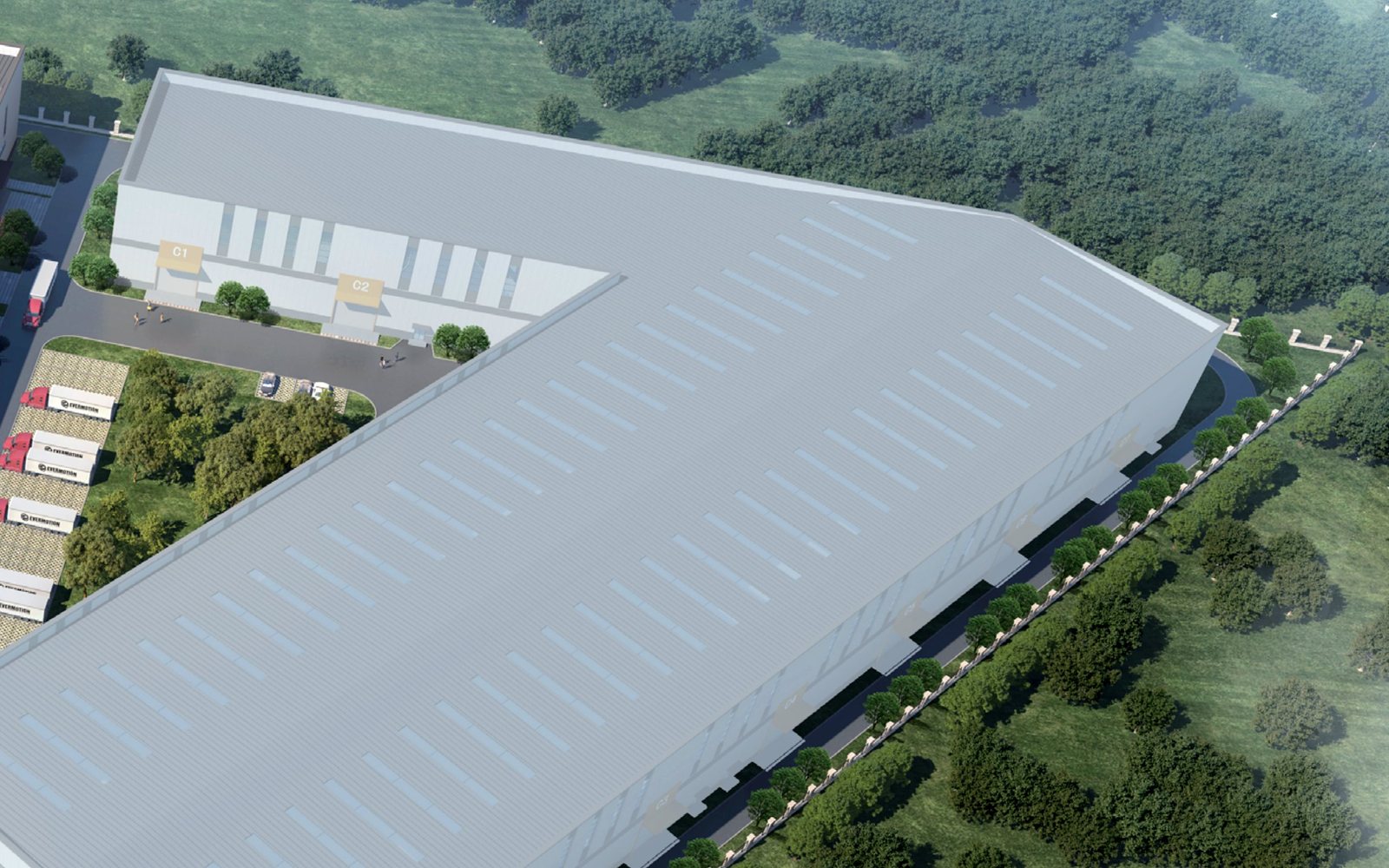
Prepare One Input Set for Each Product Family
Mixed production can be reviewed together only when the product sequence and changeover expectations are clear.
Prepare one input set for each product family before requesting a model. For each vegetable group, send the crop and variety, the size range, the soil load, the output and the finished condition, because a line for leafy greens and a line for root vegetables need different data and different equipment.
Add the site facts that change the design: the water supply, the drainage, the floor space and the downstream process. The same crop can be washed for a fresh pack or for a frozen line, and the destination changes the dewatering and the handoff. Product family plus site facts is the minimum for a defensible quotation.
Product family plus site facts is the minimum for a defensible quotation.
For each group, send the crop and variety, the size range, the soil load, the output and the finished condition, because leafy greens and root vegetables need different data.
The destination changes the dewatering and the handoff, so a fresh pack and a frozen line are specified differently.
With the site facts attached, the supplier can size the line for the factory it will actually run in.
Vegetable Processing Line FAQ
| Reviewed washer references | W600-2.5M / W600-3M / B600-6M |
|---|---|
| Reviewed cutter references | 280A / 230 / 280 / 301 / 680 / 580 / 802 / 803 |
| Route families | Root vegetables / leafy and fragile products / mixed production with a defined changeover plan |
| Project output basis | Balance each stage against the approved crop, incoming state, finished condition and operating schedule |
| Factory inputs | Water, drainage, power, access, cleaning, waste route, layout and downstream interface |
Frequently asked questions
Which product information is required before configuring a vegetable processing line?
Can root vegetables and leafy products share one equipment route?
Do the washer and cutter model values guarantee net line output?
How should water and drainage scope be defined?
What should a vegetable-line acceptance test include?
The FAQ answers the questions that repeat on vegetable projects: what capacity the line holds, how the water is managed, what the changeover involves and what is included in the scope. A buyer who gets these answers in writing makes a better decision than one who discovers them during commissioning.
Treat the FAQ as a living record and add each new question as it comes up. The next buyer will ask the same thing, and an honest, complete FAQ is part of the technical evidence the supplier builds with the buyer over the course of the review.
Related pages
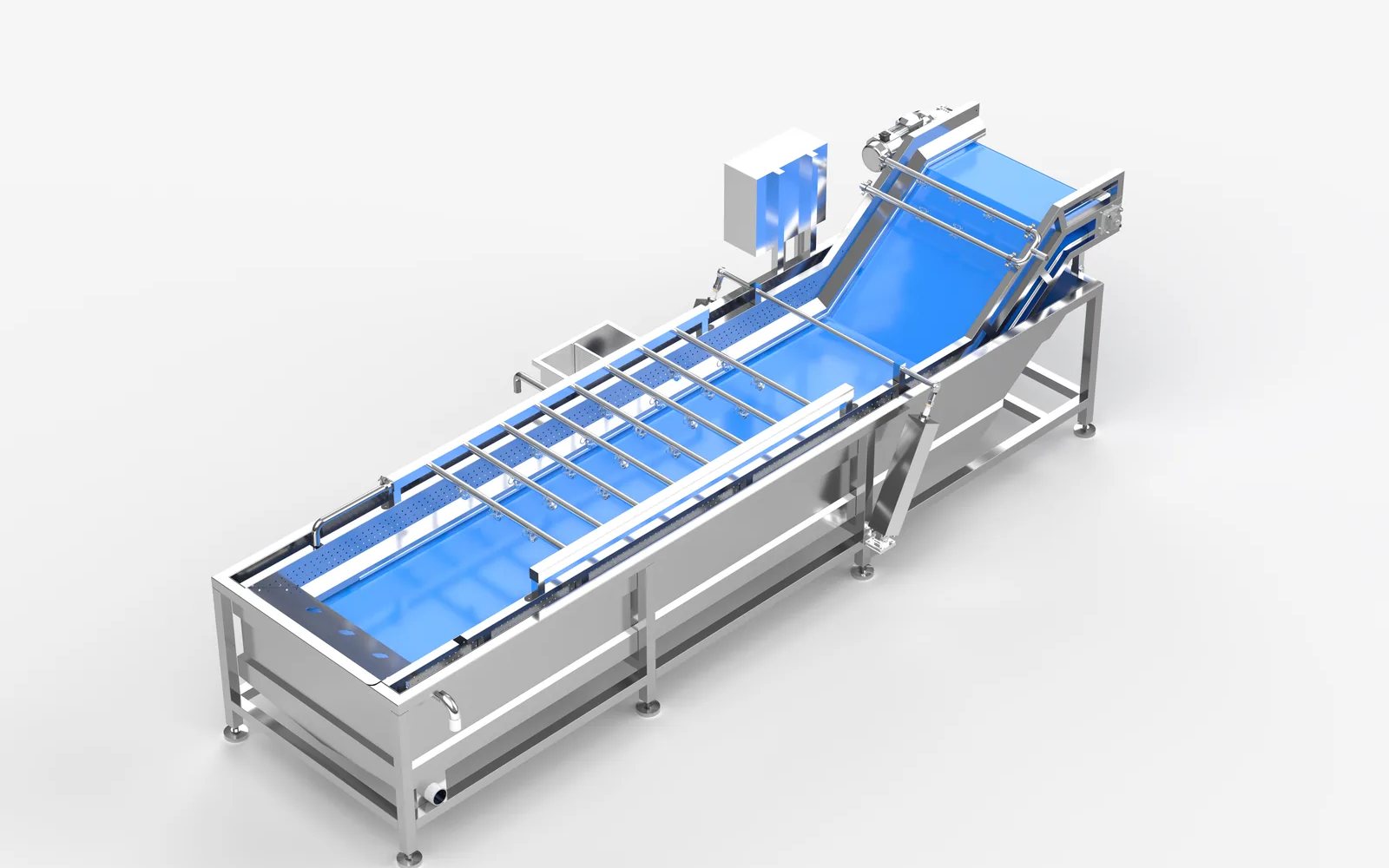
Vegetable Washing Equipment
Compare verified Hadof washer references, washing mechanisms, product risks, line interfaces, test evidence and project configuration inputs.
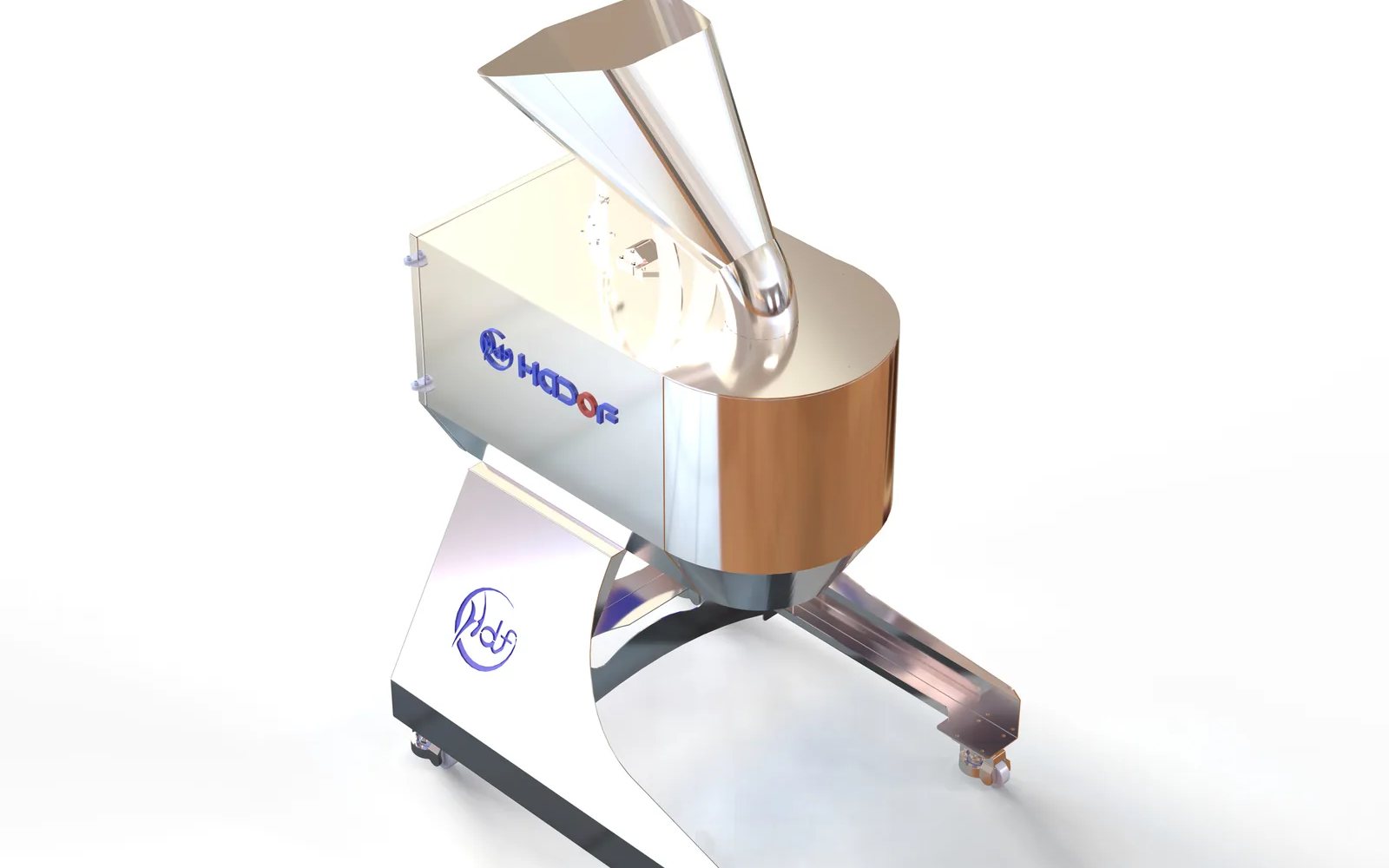
Vegetable Cutting Machine
Compare verified Hadof vegetable cutter references by crop, finished geometry, tooling, output, line handoff and acceptance requirements.
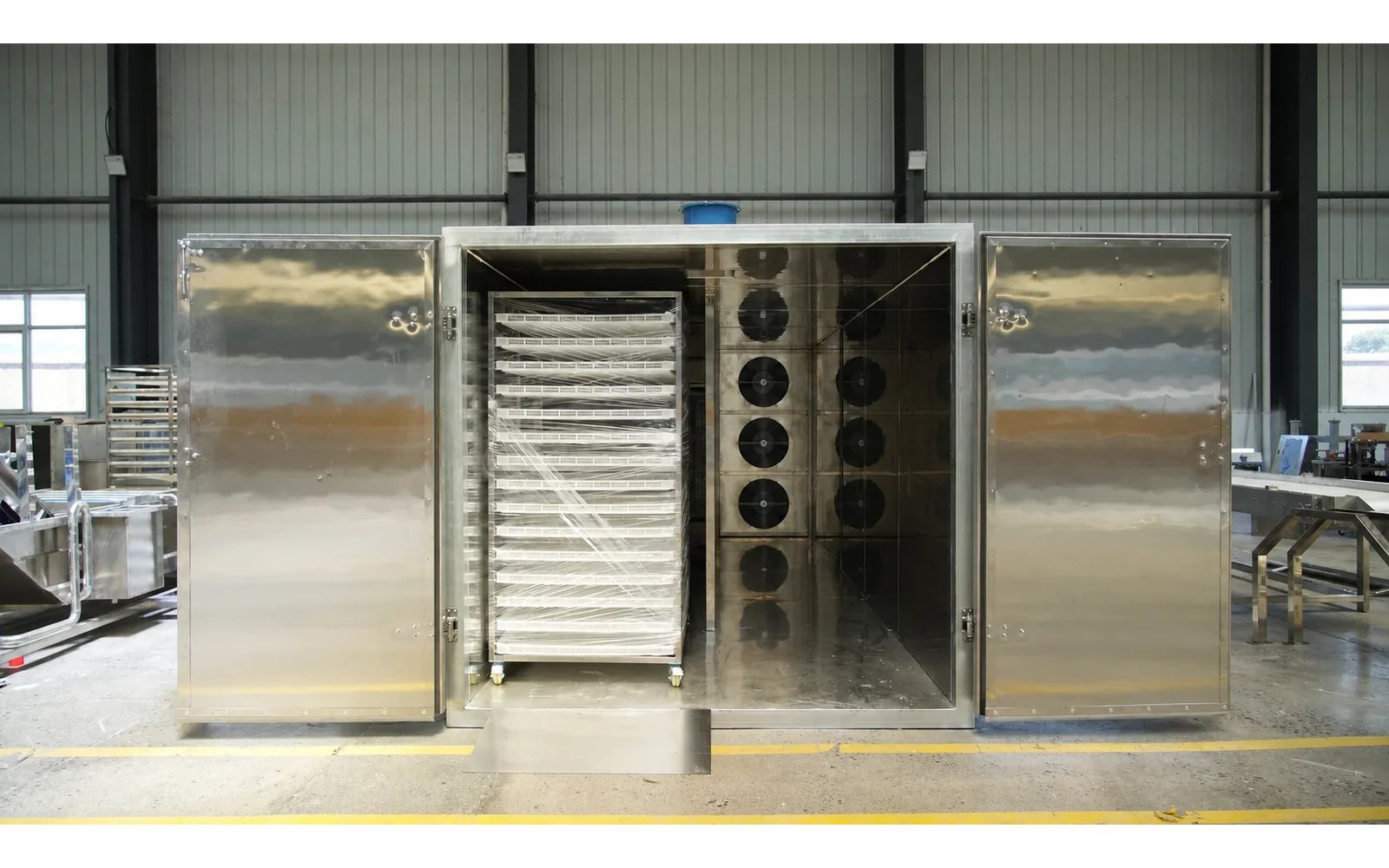
Food Drying Chamber
Review food drying chamber suitability, water-removal duty, tray loading, airflow, heat source, batch rhythm, testing and delivery boundaries.
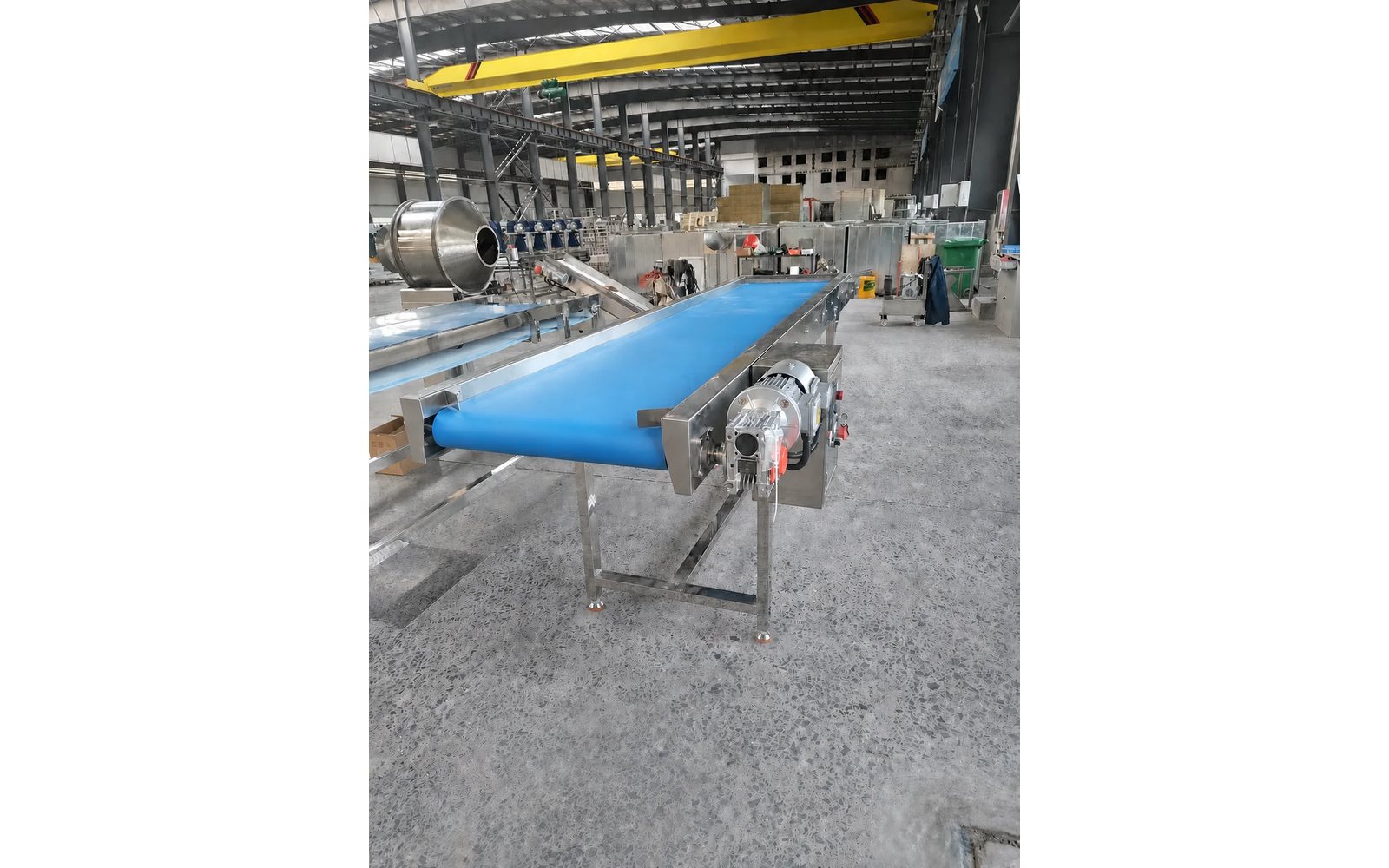
Food Processing Conveyor
Configure food conveyors by product condition, transfer geometry, loading, cleaning, controls, interface risks and project acceptance requirements.
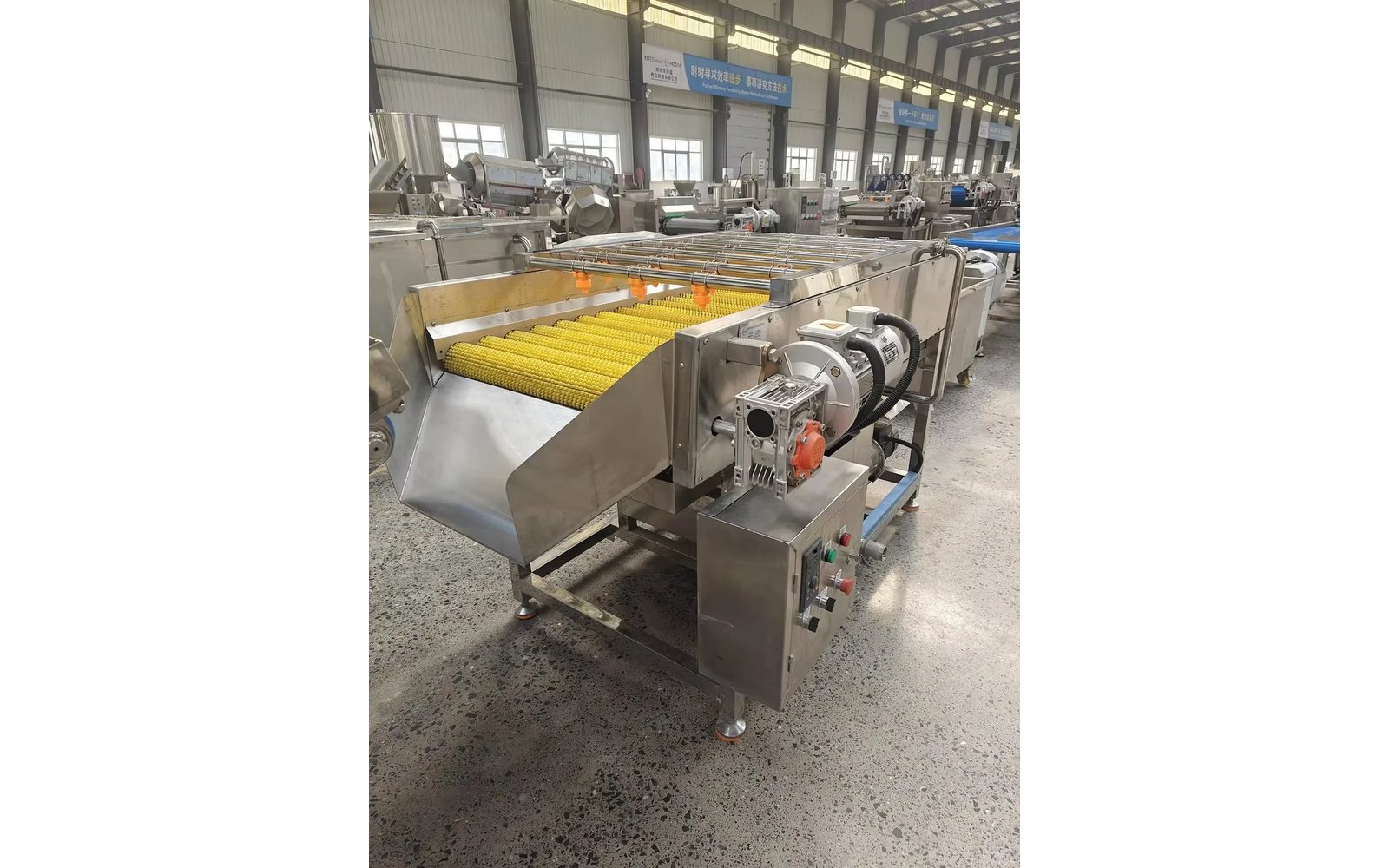
Vegetable Line Batch Optimization
Diagnose vegetable washing, cutting and transfer constraints through product inputs, parameter consequences, tests and line-balance evidence.
Vegetable Washing, Drying and Sorting Line
Review the verified four-unit scope of a Guatemala vegetable washing, air-drying and sorting project, including evidence limits and buyer inputs.