
Markets / Nigeria
Nigeria Food Processing Market
Documented demand signals and entry requirements for cassava, flour, sugar and edible-oil processing in Nigeria.
- ~230MPopulation
- ~$510BGDP
- Cassava-firstStaple basis
- SONCAP / NAFDACCompliance
Market Snapshot
Nigeria is Africa's largest economy and food market. Documented demand concentrates on cassava-based staples, wheat flour, sugar refining and edible oil, with equipment aging and a preference for affordable, easy-to-maintain machines. Cassava and maize are the volume crops, and documented produce losses make cold chain part of the same purchase as the processing line.
- ~230M
- Population
- ~$510B
- GDP
- ~$2,200
- Per-capita GDP
- Cassava-first
- Staple basis
Nigeria routes imports through the SONCAP and NAFDAC paths, with Form M required for foreign exchange, and the local processing demand is led by staples such as cassava garri, wheat flour, sugar refining and edible oil. The market rewards equipment that can be installed on the destination voltage and supported locally.
Fix the destination before the quotation, because the SONCAP or NAFDAC route, the duty code and the destination voltage each change the scope. A supplier who confirms these first gives the buyer a landed cost that can be planned rather than discovered at the port.

Demand Signals and Matching Lines
Documented demand maps to staple processing and its packaging and preservation handoffs.
| Cassava and garri | Washing, grating, dewatering, drying and packing |
|---|---|
| Wheat flour and sugar | Milling, refining and bulk packing |
| Edible oil | Pressing, refining and filling |
| Snacks and beverages | Frying, seasoning and bottling |
| Cold chain | Refrigeration and freezing for distribution |
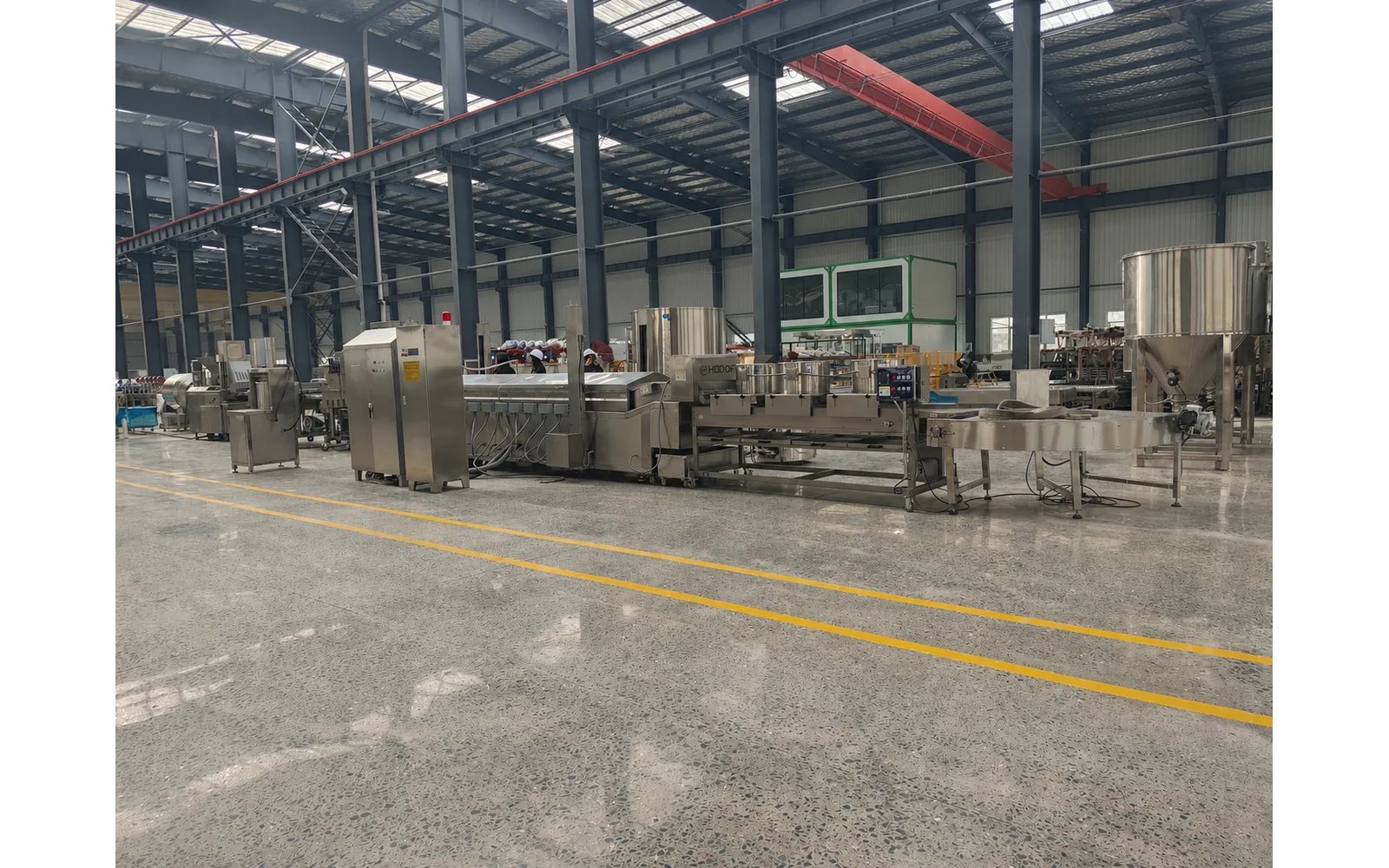
Documented demand concentrates on cassava garri processing, wheat flour milling, sugar refining, edible oil and the packaging that follows them. These are high-volume staple routes where throughput and uptime matter as much as the machine price.
Matching the demand to a line means converting a staple such as garri into a defined sequence of receiving, grating or milling, drying and packing, then confirming the power and utility basis for each stage before the equipment list is fixed.
Reading the Demand
Cassava is the volume staple. Garri production drives washing, grating, dewatering, drying and packing, and cassava's year-round harvest supports continuous operation rather than seasonal bursts.
Flour, sugar and oil concentrate around large groups and import substitution. Milling, refining and bulk packing are the recurring duties, with packaging and cold chain as supporting spends.
Buyers prioritize availability and easy maintenance. Managed foreign exchange makes letters of credit and staged payment the realistic baseline, and local spares and service decide the repeat order.
Cold chain is the limiting handoff. Documented produce losses make refrigeration and freezing part of the same purchase as the processing line, and a distributor with local spares and service shortens the distance between a working machine and a failed one.
Read the demand as import substitution and local staple processing: the buyer is usually expanding output for a domestic market and needs a line that can run on the local supply and be maintained locally. The reading therefore includes power, water and spares, not just capacity.
Nigerian buyers often ask for the Form M and duty picture early, so the technical review and the import documentation should move together. A line that clears the SONCAP or NAFDAC path and then matches the product is the entry that closes.
Compliance, Utilities and Payment
Nigeria uses a documented import and conformity path and a managed foreign-exchange environment.
| Certification | SONCAP / NAFDAC path and Form M |
|---|---|
| Utilities | Confirm voltage and frequency; industrial sites commonly use 3-phase supply |
| Duty and tax | Capital equipment often 0–10% duty; 7.5% VAT plus supervision fee |
| Payment | Letter of credit preferred; allow for FX allocation lead time |
Compliance follows the SONCAP and NAFDAC path, Form M is required for payment, and the destination voltage and frequency must be confirmed before manufacture. Food-contact equipment may also need NAFDAC recognition, so the certificate is matched to the actual product route.
Payment is commonly letter of credit or staged T/T, and the landed cost should include duty and the documentation path. Define the local service and spares route in the same contract, because a staple line cannot afford a long stoppage.
Recommended Entry Route
Lead with staple lines built for availability and easy maintenance, quote in USD, use letter of credit or staged T/T and secure a local distributor for installation and spares.
Frequently asked questions
Which Nigeria lines have the clearest documented demand?
How is payment risk managed?
| Documented basis | Public Nigeria market research, 2026 |
|---|---|
| Scope | Market context only; buyer-specific duty and utility values are confirmed per order |
Enter the market in three stages: fix the SONCAP or NAFDAC and Form M route, map the buyer's staple to a line and its utilities, then quote the complete landed scope with payment and local support. The destination-first entry makes the import documentation part of the quotation rather than an afterthought.
Related pages
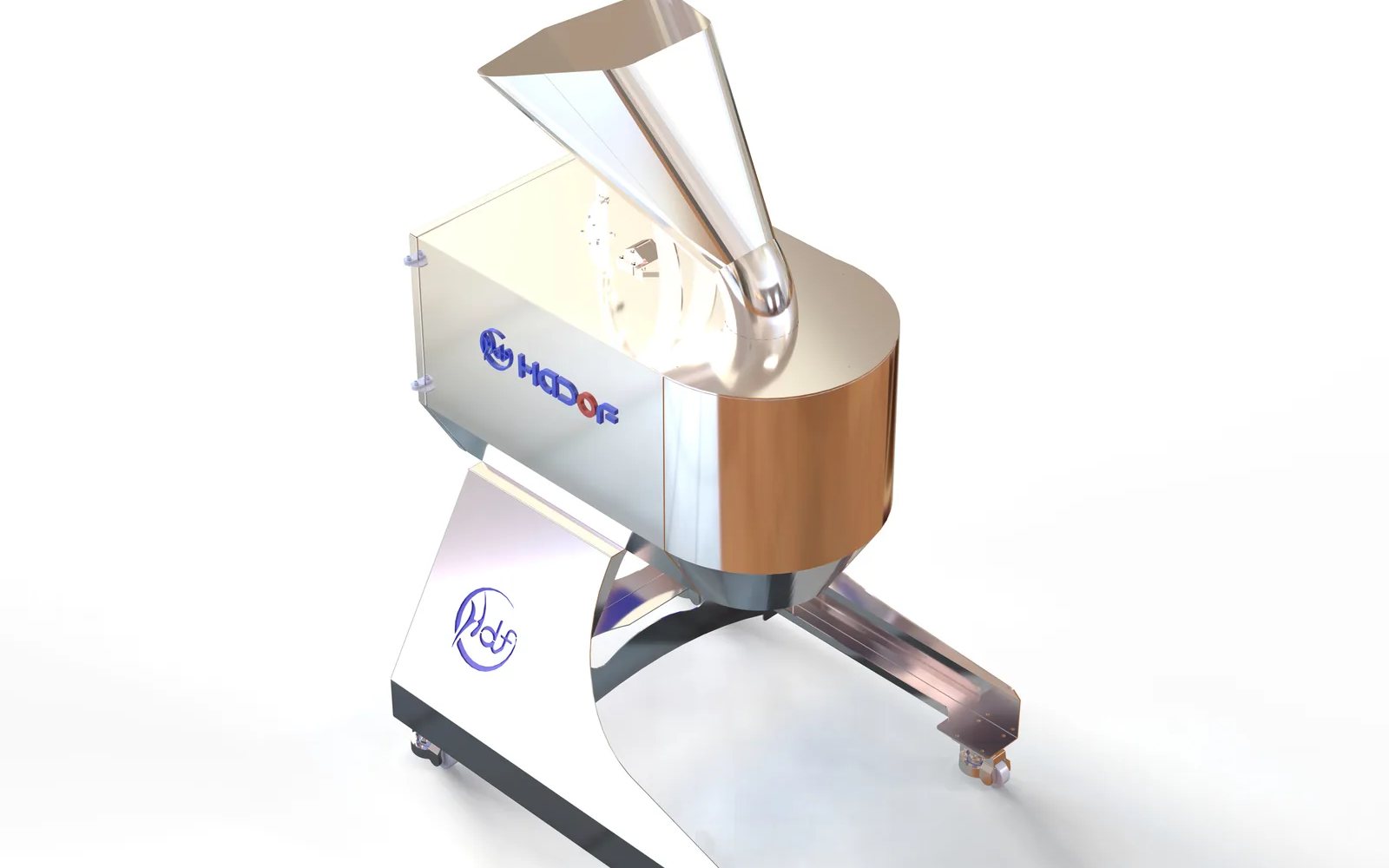
Vegetable Cutting Machine
Compare verified Hadof vegetable cutter references by crop, finished geometry, tooling, output, line handoff and acceptance requirements.
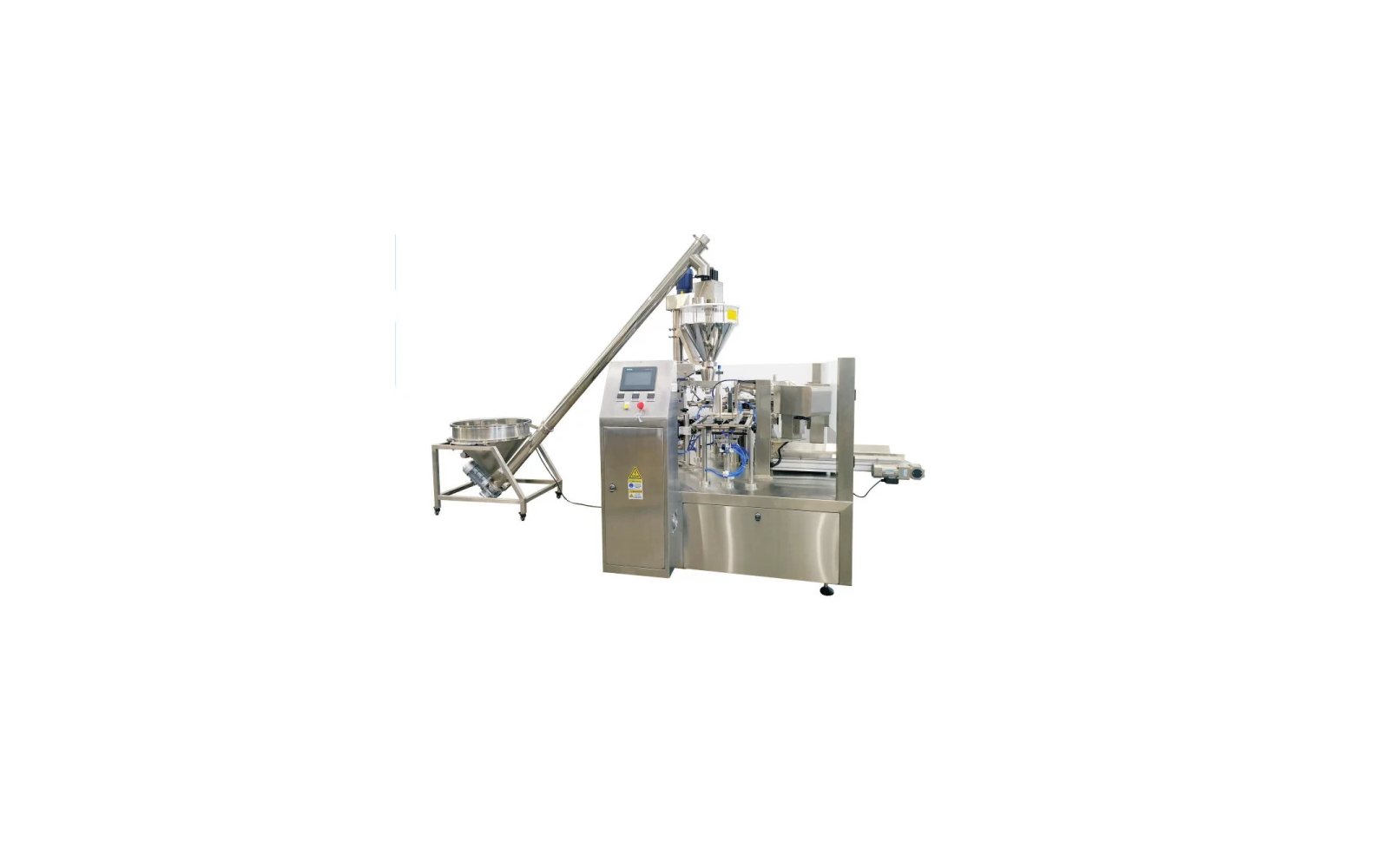
Premade Pouch Packaging Machines
Compare HDF premade pouch machines for powder and granules by bag size, dose, speed, accuracy reference, power, air and metering configuration.
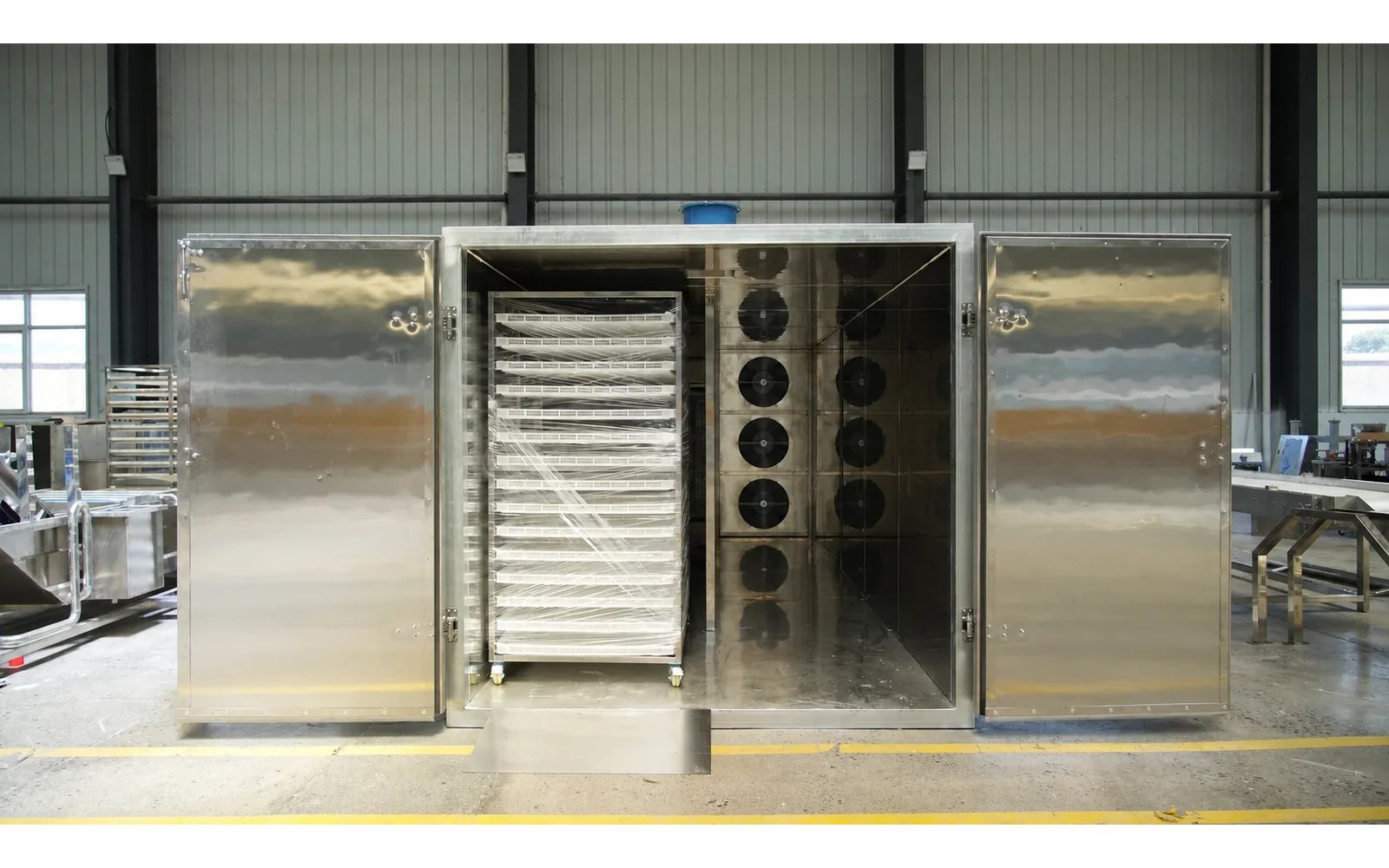
Food Drying Chamber
Review food drying chamber suitability, water-removal duty, tray loading, airflow, heat source, batch rhythm, testing and delivery boundaries.