
Markets / South Africa
South Africa Food Processing Market
Documented demand signals and entry requirements for maize meal, chicken and juice or wine processing in South Africa.
- ~63MPopulation
- ~$400BGDP
- Maize, chicken, juice & wineFood demand
- SABS / NRCSCompliance
Market Snapshot
South Africa is southern Africa's largest food market with documented demand in staple maize, chicken, dairy and export-oriented juice and wine. Buyers mix modern retail and traditional channels and weigh equipment price against SABS/NRCS conformity. Maize, sugarcane, citrus and grapes anchor the crop side, while documented policy supports import substitution and export-oriented processing.
- ~63M
- Population
- ~$400B
- GDP
- ~$6,500
- Per-capita GDP
- Low duty + 15% VAT
- Import & tax
South Africa combines a formal retail and processing sector with SABS and NRCS conformity expectations, a 15% VAT layer and a 400V/50Hz industrial supply. The market buys complete lines for staples, protein and beverages, and it rewards suppliers who can show destination-specific evidence rather than a generic catalogue.
Fix the destination early: the import duty code, the SABS/NRCS path and the electrical standard all change the quotation, and a line quoted on another market's basis cannot be compared. South Africa is a strong reference market precisely because its conformity requirements are explicit.

Demand Signals and Matching Lines
Documented demand maps to three line families and their packaging handoffs.
| Maize meal (Pap) and grain | Cleaning, milling and 5–25 kg packing lines |
|---|---|
| Chicken processing | Slaughter, pre-cooling, portioning and vacuum packing |
| Juice and wine | Citrus extraction, clarification, UHT and bottle inspection |
| Snacks and dairy | Frying, seasoning, pasteurization and filling |
| Packaging | Pouch, carton and end-of-line equipment |
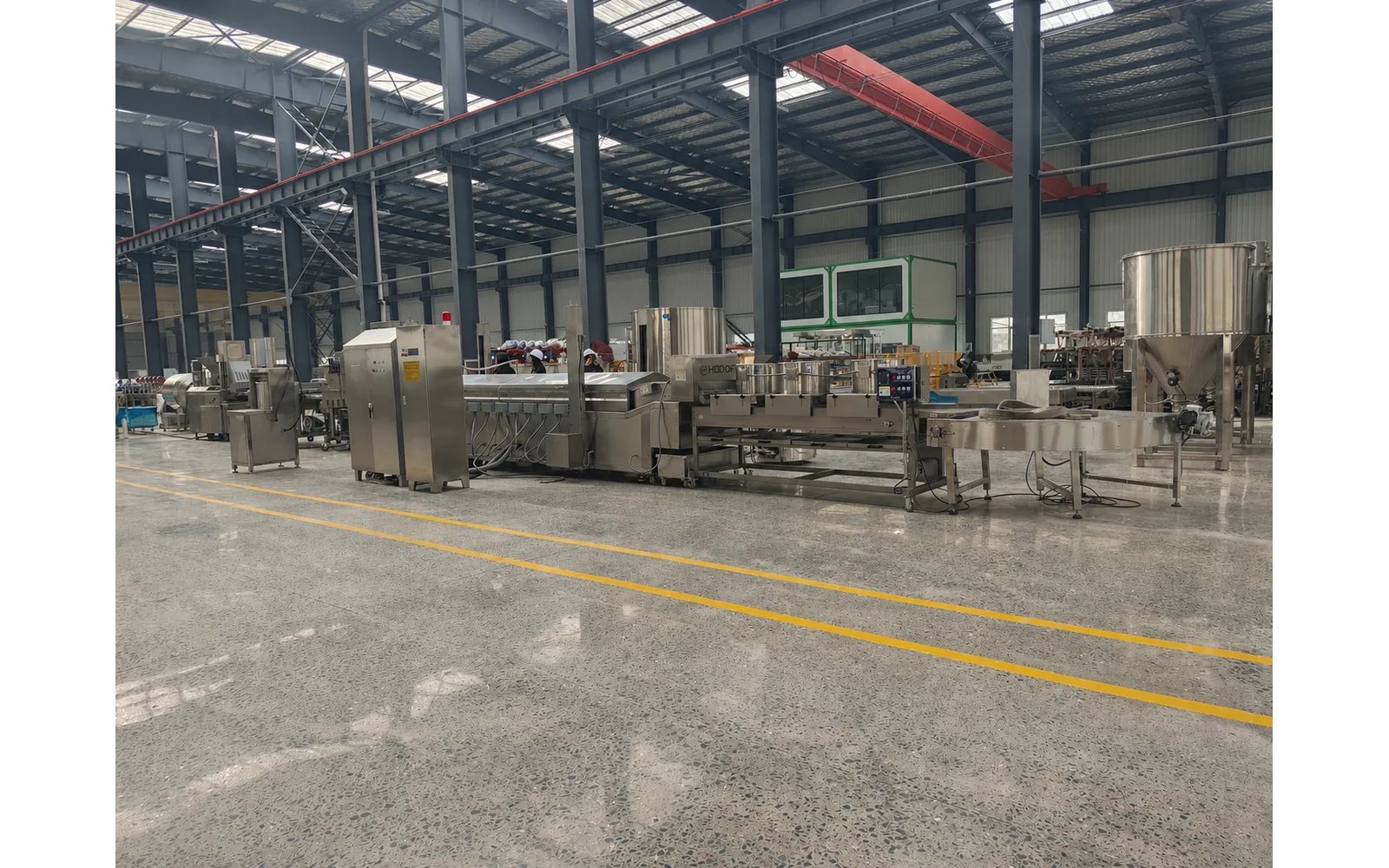
Documented demand concentrates on maize meal milling, chicken processing, fruit juice and wine lines, and the packaging that follows them. The same core machines serve several of these routes once the product and the hygiene requirement are confirmed for the specific buyer.
Matching the demand to a line means converting a category such as chicken processing into a defined route of receiving, cutting, further processing and packing, then checking the SABS/NRCS evidence for the food-contact equipment in that route.
Reading the Demand
Maize is the staple anchor. Maize meal (Pap) demand keeps milling and packaging lines busy across household and food-service channels, while chicken remains the dominant meat and Braai-style grilling keeps seasoning and portioning relevant.
Juice and wine add an export layer. Citrus and grape supply in the Western Cape supports extraction, clarification, UHT and aseptic filling, with bottle inspection required for the retail and export shelf.
Buyers weigh SABS/NRCS conformity and modular capacity. Most operators prefer 1–10 t/h lines that can start small and add packaging formats rather than committing to an oversized plant.
The same equipment families extend to snacks and prepared foods, so a modular line lets a buyer start with one product and add duties later. Confirm the SABS/NRCS scope and the 400V/50Hz supply early, because both affect the delivered configuration and the installation schedule.
Read the demand as three connected needs: processed staples for the local market, protein and beverage capacity for retail and food service, and packaging that can meet export and retailer standards. Each need maps to a different equipment duty, and the buyer's own product decides which one applies.
South African buyers commonly ask for the voltage, the duty and the local service route in the same inquiry, so the reading should include the utility and support picture from the first review rather than adding it after the equipment is chosen.
Compliance, Utilities and Payment
South Africa applies a food-standards regime and a moderate import and tax structure to food machinery.
| Certification | SABS / NRCS conformity for food-contact equipment |
|---|---|
| Utilities | 400V / 50Hz; confirm the site supply |
| Duty and tax | Low import duty on food machinery; 15% VAT |
| Payment | Letter of credit or staged T/T; confirm exchange control declaration |
Conformity follows the SABS and NRCS path, import duty is applied with a 15% VAT layer, and the industrial supply is 400V/50Hz. A certificate confirms conformity, but it must be matched to the destination product duty and the local inspection route before the equipment can be installed.
Payment is usually letter of credit or staged T/T with a clear currency and exchange clause, and the buyer will expect a defined spares and service response. Confirm the complete landed cost, including duty and VAT, before the order.
Recommended Entry Route
Lead with maize and poultry, then add juice or wine where the buyer already has fruit supply. Offer modular 1–10 t/h lines with dual packing formats, pre-align SABS conformity and price in USD or EUR to manage rand exposure.
Frequently asked questions
Which South Africa lines have the clearest documented demand?
What must equipment satisfy before delivery?
| Documented basis | Public South Africa market research, 2026 |
|---|---|
| Scope | Market context only; buyer-specific duty and utility values are confirmed per order |
Enter the market in three stages: fix the SABS/NRCS and utility basis, map the buyer's product to a line and its duties, then quote the complete landed scope with payment, delivery and service. A destination-first entry keeps the quotation comparable and the compliance path visible from the first message.
Related pages
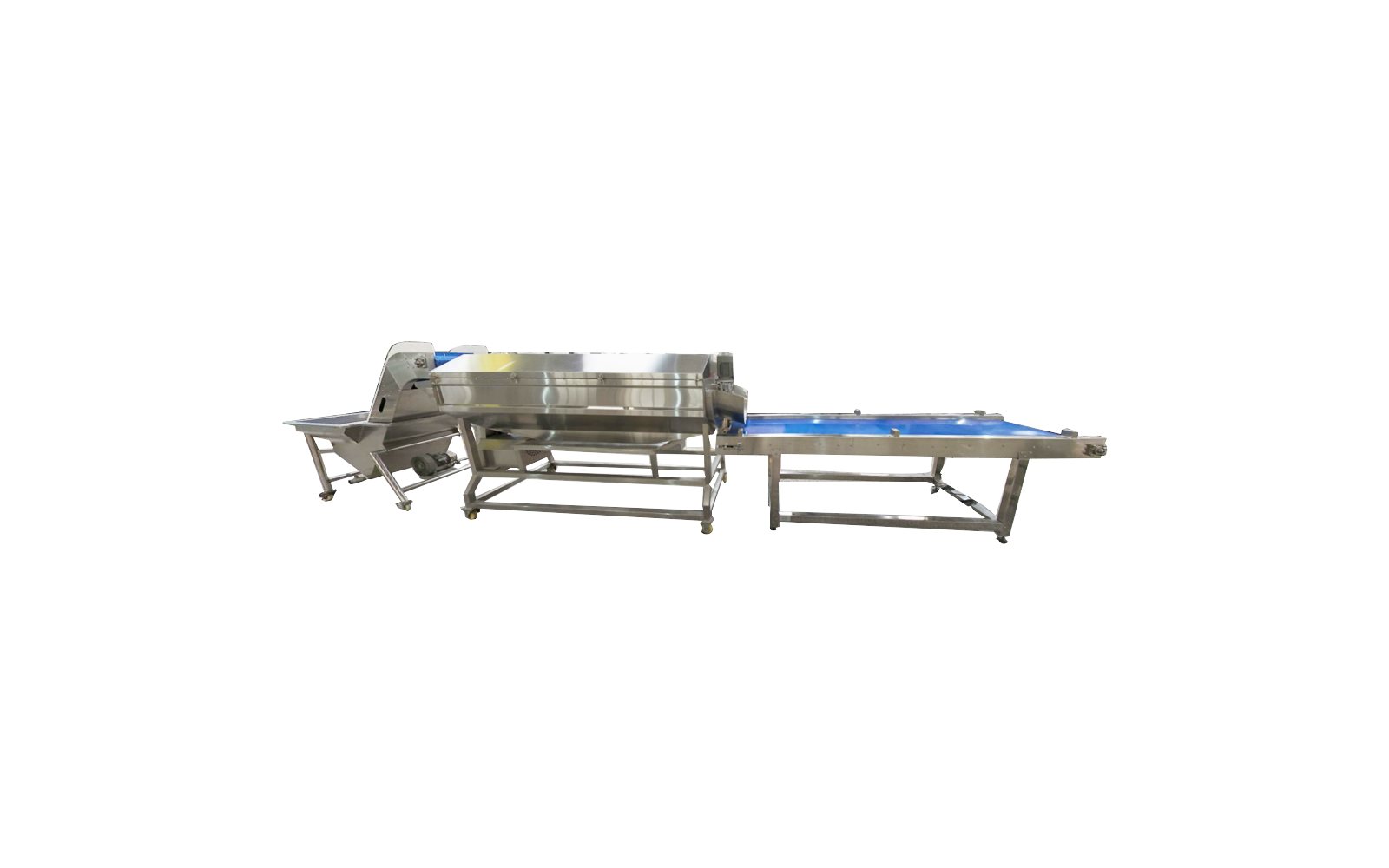
Vegetable Processing Line
Configure root, leafy or mixed vegetable preparation around product risks, washing and cutting duties, water, factory interfaces and acceptance.
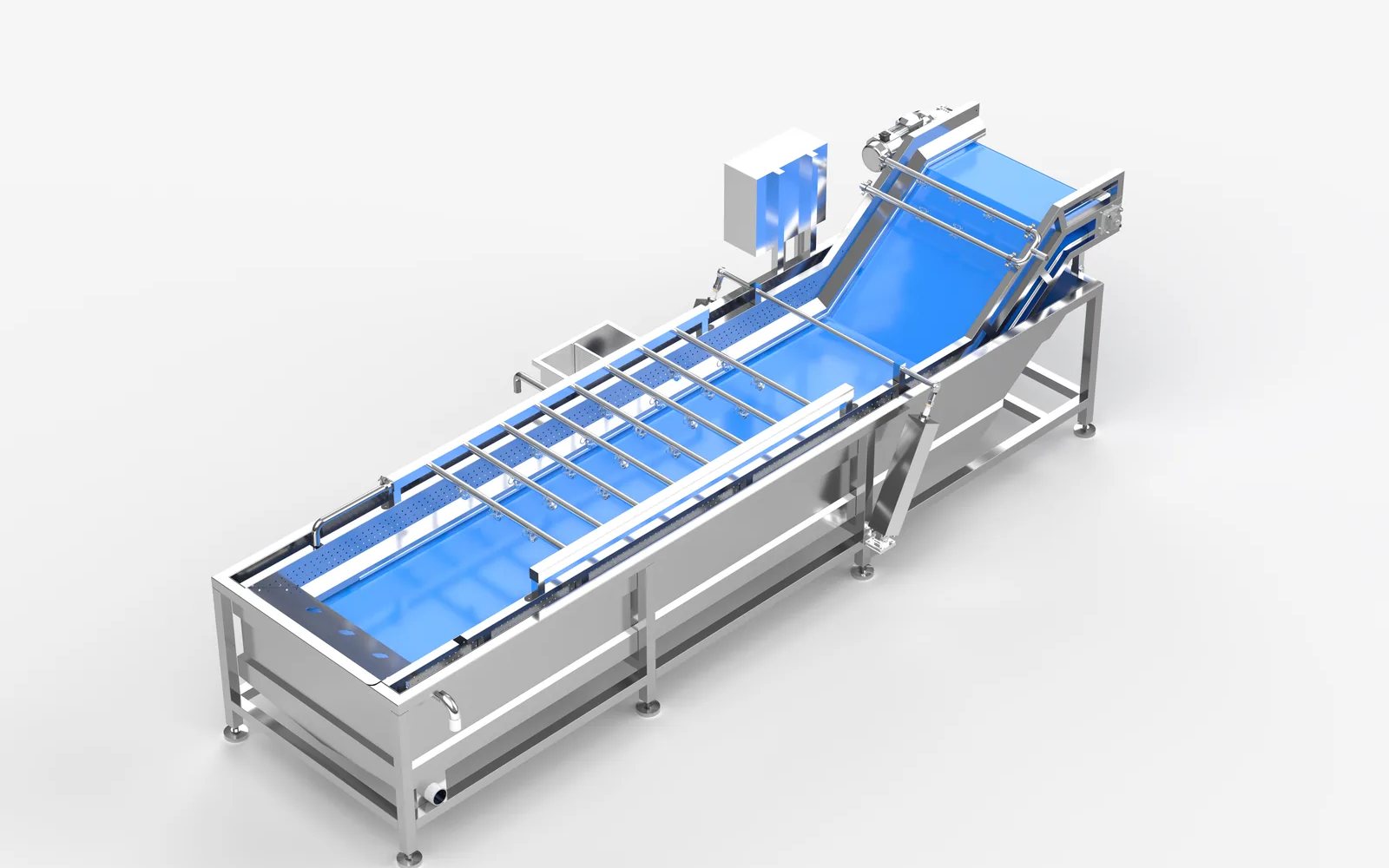
Vegetable Washing Equipment
Compare verified Hadof washer references, washing mechanisms, product risks, line interfaces, test evidence and project configuration inputs.
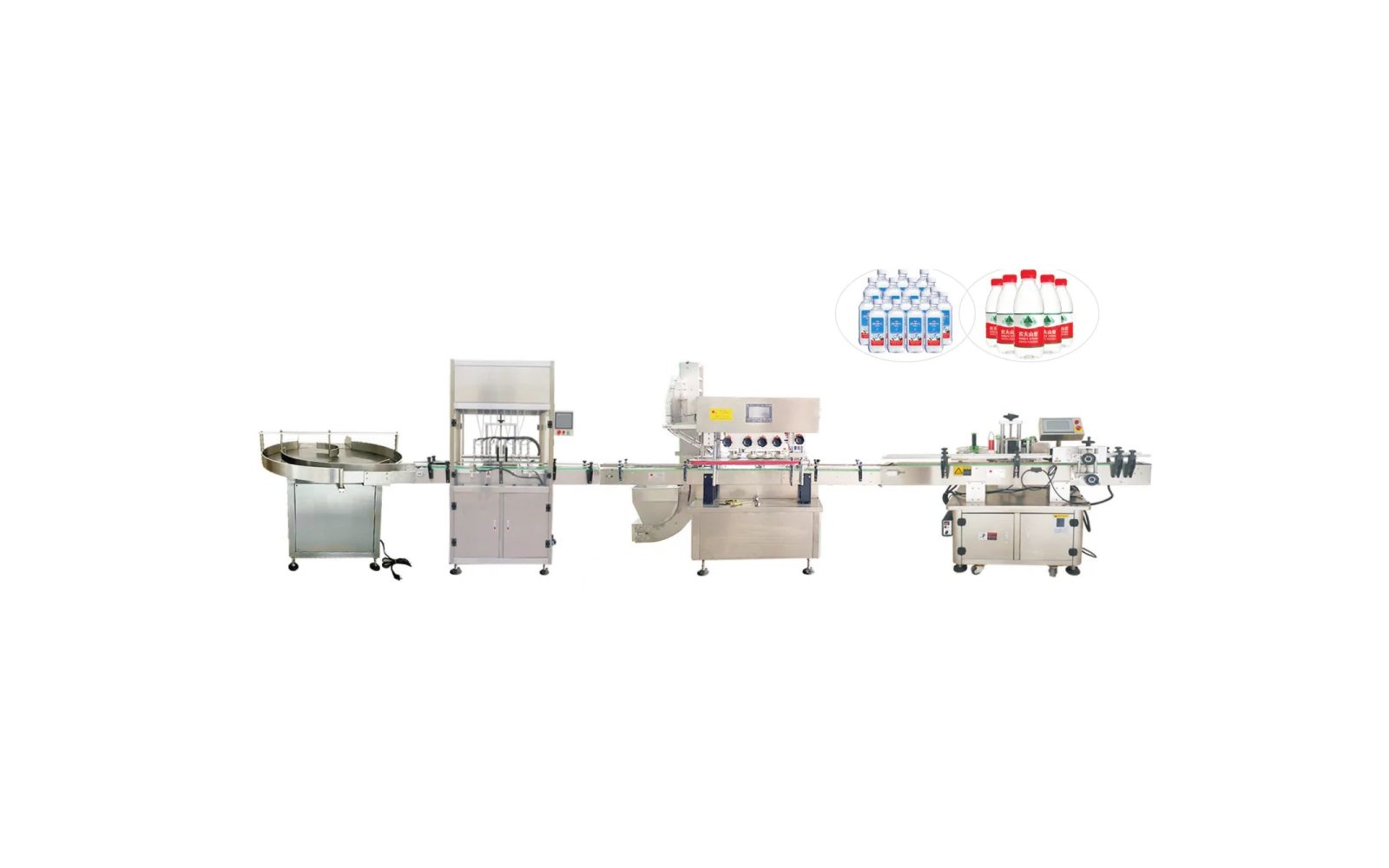
Bottle Filling and Packaging Lines
Compare HDF liquid, powder and granule bottle filling references with capping, can sealing and labeling by range, speed, power and container size.