
Industry solution / Pharmaceutical & biotech
Pharmaceutical & Biotech Freeze Drying
Select a freeze-drying platform against the product, the vial format, the sterile boundary and the validation evidence the intended use requires.
Separate Peptide Demand From Freeze-Dried Vial Demand
GLP-1 and GIP growth raises overall peptide interest, but most leading commercial formats today are pre-filled pens or liquid presentations. Freeze-dried vials concentrate where stability, shelf life or cold-chain economics require a powder: long-acting endocrine peptides, powder-for-injection, growth hormone, vaccines, biotech pilot batches and import-substitution manufacturing.
Start from the intended product, not the market trend.
Confirm the molecule, dose form, fill volume, registration path and the real inquiries behind the project. Heat in a therapeutic category does not, by itself, equal freeze-dryer orders.
Read the market signal at the dose-form level before it becomes an equipment assumption. A buyer who sees peptide growth and immediately requests a freeze dryer has skipped the step that decides the order: confirming whether the product is a pre-filled pen, a liquid injection, or a lyophilised powder that actually needs a dryer and a sterile boundary.
Freeze-dried vials make sense where a powder is required for stability, where cold-chain costs dominate, or where the registration file and the local market expect a reconstituted injection. Once that product basis is fixed, the equipment conversation can start; until then, a freeze dryer is an answer to a question that has not yet been asked.
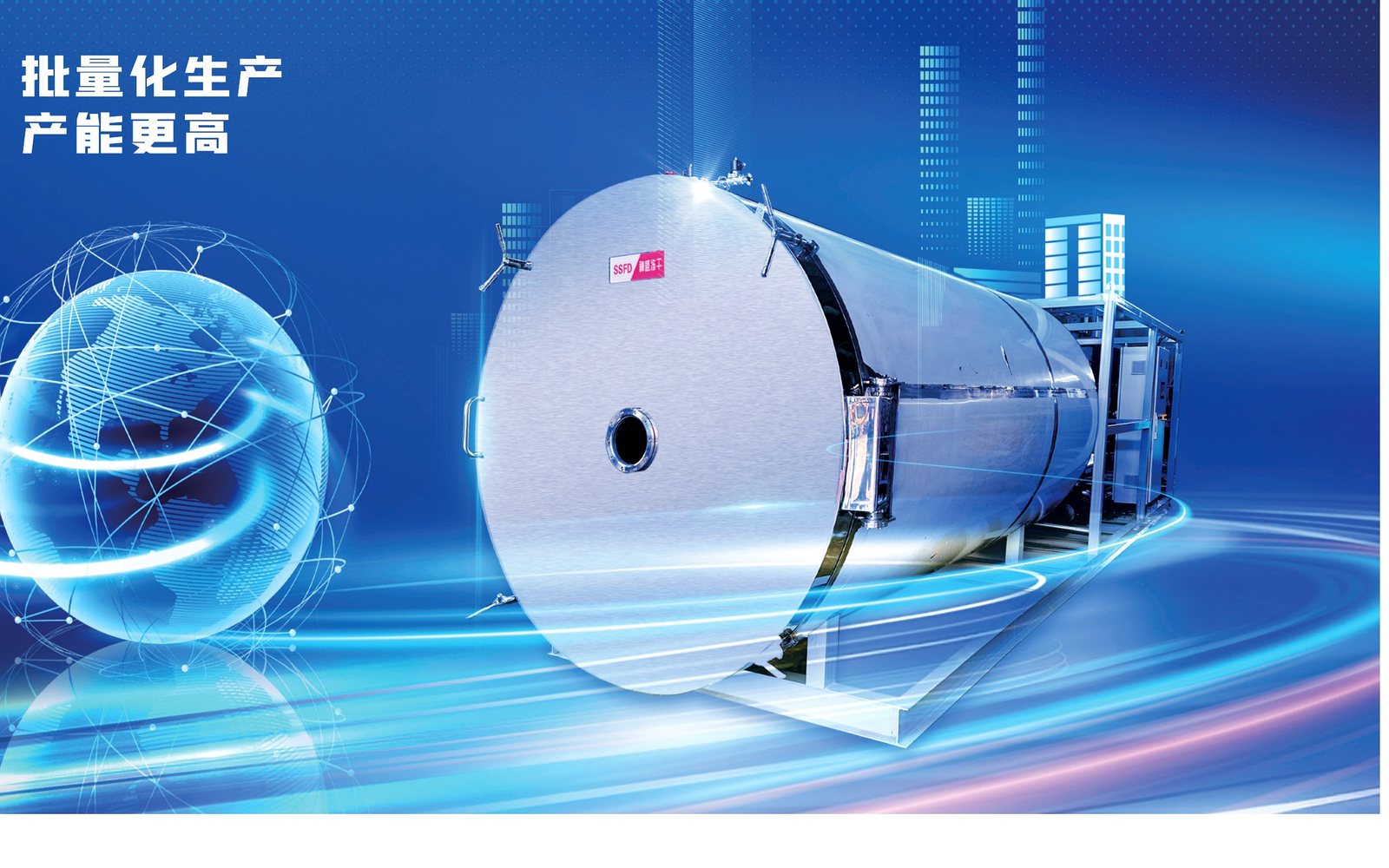
The same discipline applies to growth hormone, vaccines and powder-for-injection: the freeze dryer is justified by the product requirement, not by the popularity of the category.
Size the Batch From the Vial Format
For the same shelf area, nominal batch count changes several-fold with vial diameter and fill volume. Smaller-diameter vials load more units per shelf; taller fills or larger diameters load fewer.
| φ12 mm vials | approximately 6,000 units per 1 m² reference shelf |
|---|---|
| φ16 mm vials | approximately 4,000 units per 1 m² reference shelf |
| φ22 mm vials | approximately 2,200 units per 1 m² reference shelf |
| Basis | Indicative only; confirm against the selected model, vial height and fill volume |
The vial format is the first sizing input because it converts shelf area into batch units. A change from a 12 mm to a 22 mm vial can cut the units per shelf by more than half, so two machines with the same square metres are not the same batch size until the vial is fixed.
Size the chamber from the units per batch and the batches per campaign, not from shelf area alone. Add the loading plan, the fill volume and the expected cycle length, and the chamber becomes a number the quotation can stand on. Keep the vial basis written down, because a later vial change resizes the entire project.
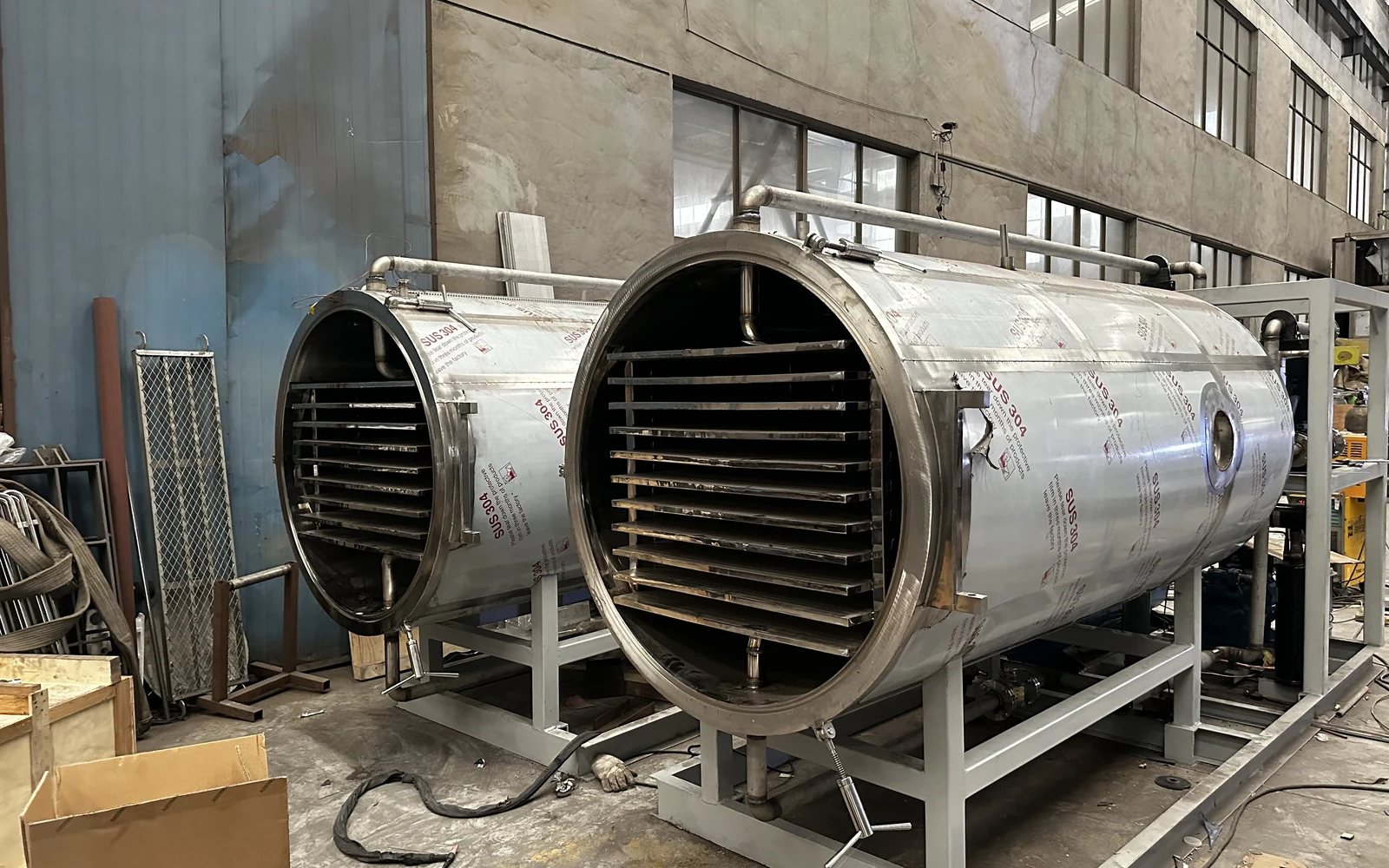
Record the format with the quotation so every later sizing step, from shelf count to chamber diameter, starts from the same written basis.
Close the Sterile Boundary Before Buying the Machine
For a freeze-dried injection vial, half-stoppered vials enter the chamber, drying completes, and stoppers are pressed under controlled conditions or vacuum. Capping is part of the process loop for a registrable, commercial product, not an optional luxury.
Confirm material and cleanability.
Product and steam contact surfaces, welds, roughness and elastomer certificates define whether a chamber can support a commercial sterile project. 316L and a drainable, low-dead-leg design are typical requirements beyond the research stage.
Confirm the loading and transfer interface.
Isolator or RABS docking, clean-side loading and stopper control connect the dryer to the surrounding sterile operation. Missing interfaces become expensive retrofits.
Confirm the data and control boundary.
User levels, audit trail, tamper-evident batch records, time synchronisation, backup and electronic signature support data-integrity expectations such as 21 CFR Part 11 and GAMP 5.
The dryer is only one element of a sterile operation. The cleanroom grade, the transfer route, the isolator or RABS interface and the stopper handling all decide whether the chamber can be integrated, and they should be fixed before the machine is selected.
Closing the boundary early avoids the most expensive failure in pharmaceutical freeze drying: buying a chamber that cannot be docked to the surrounding operation. Material finish, cleanability and data integrity are part of the same boundary, and they are reviewed together rather than as separate options.
Match the Equipment Series to the Development Stage
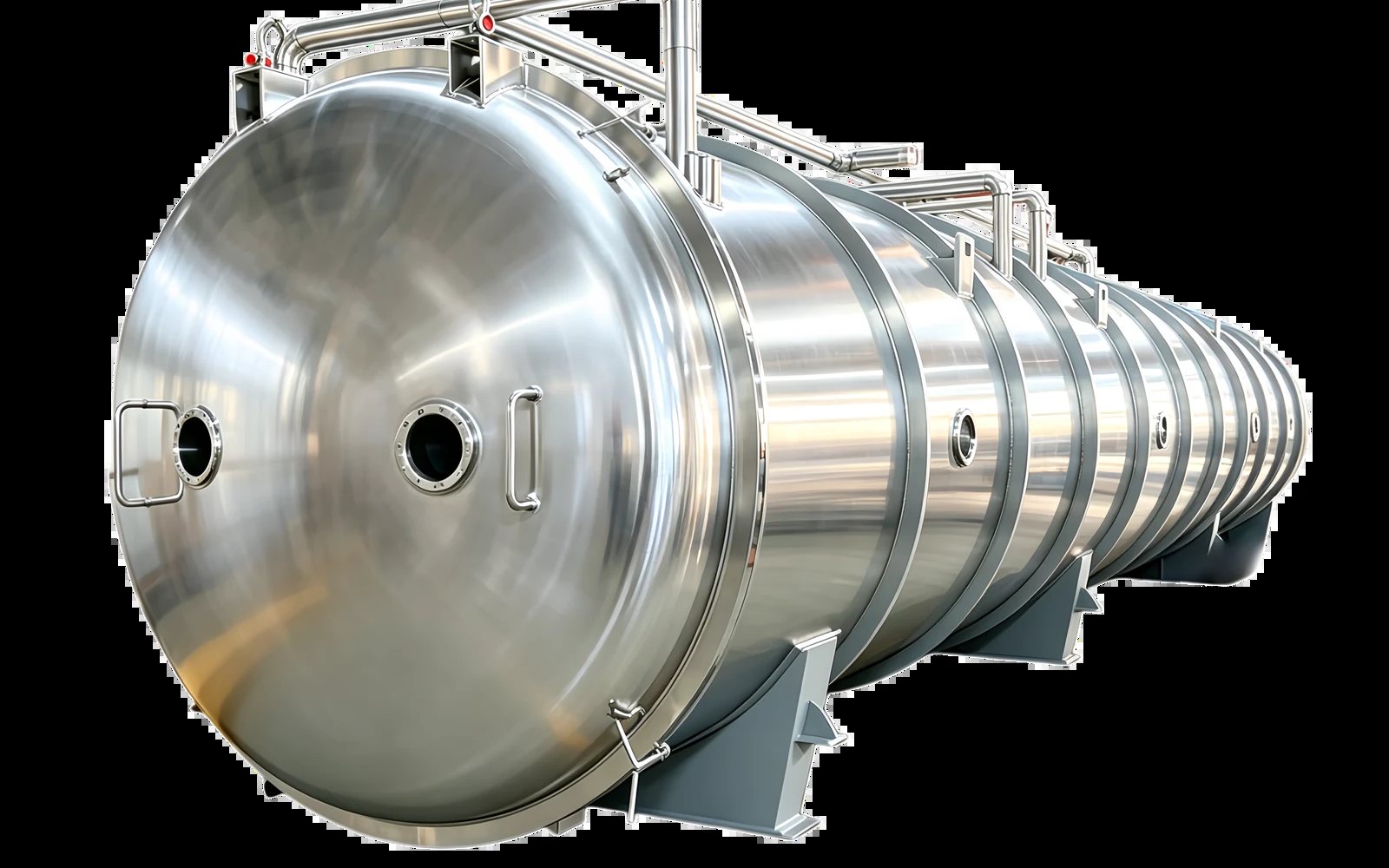
Hadof lists two biomedical freeze-dryer families and bottle filling and packaging references. Select by area, capping requirement and validation depth, then confirm the commercial configuration in the quotation.
| HDF Biomedical Freeze Dryer Models | 1–40 m² shelf area; silicone oil heating; air or water cooling |
|---|---|
| HDF Cover Type Freeze Dryer Models | 1–60 m² shelf area with capping duty; cold trap to −80 °C |
| Bottle Filling and Packaging Lines | Liquid, powder and granule filling with capping, sealing and labeling |
The right series depends on where the project sits between research and commercial manufacturing. A formulation laboratory needs recipe flexibility and curve export; a pilot or GxP stage needs calibration, material certificates and validation documentation; a commercial sterile line needs 316L contact parts, CIP or SIP, a defined stopper route and full data integrity.
Selecting the series by development stage keeps the buyer from paying for validation depth that is not yet needed, or from buying a research machine that cannot later support registration. Record the intended use and the registration path in the same brief, so the equipment series and the validation package are chosen together rather than separately.
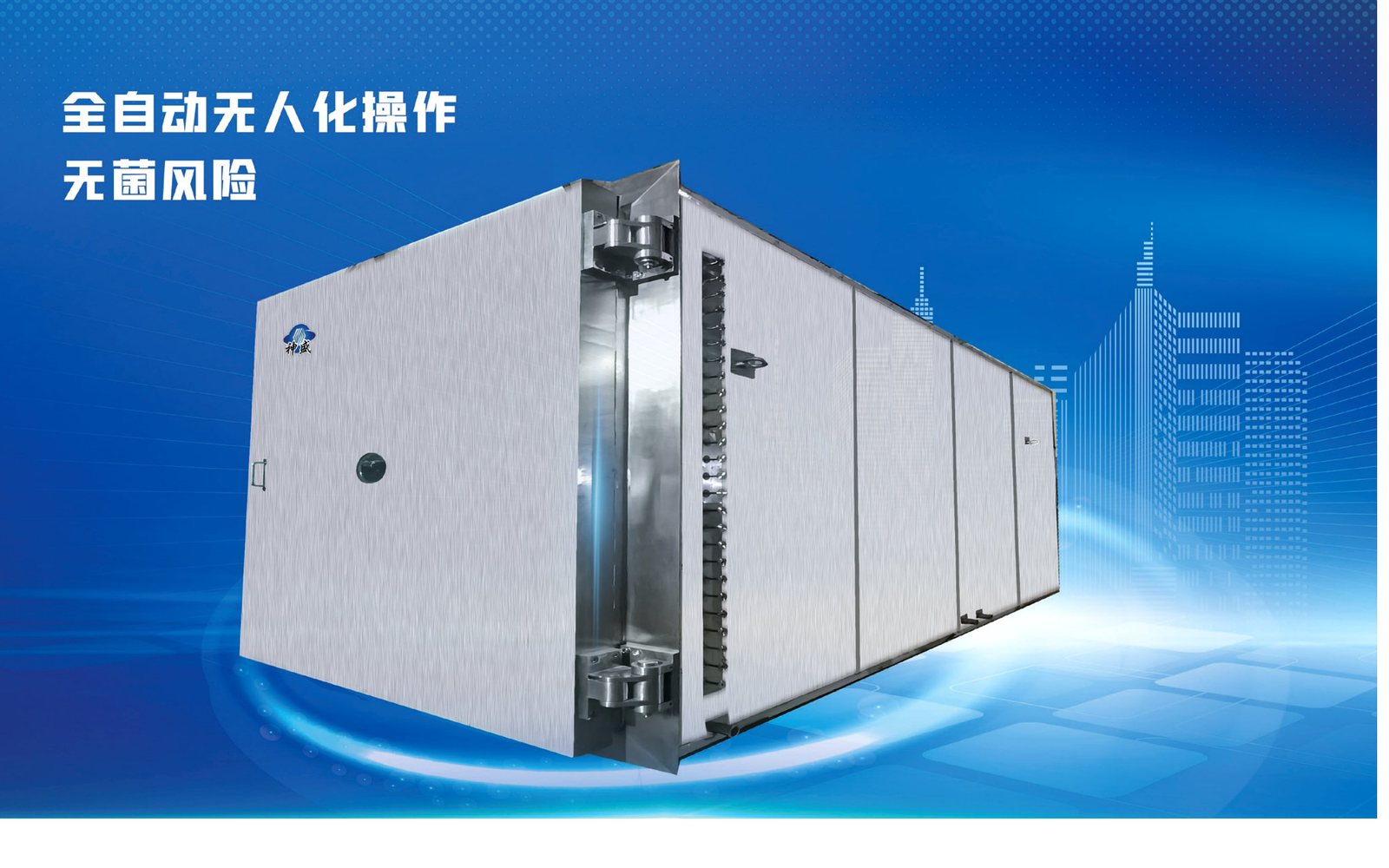
Ask for the series and the validation depth in the same request, because changing either one after the quotation changes the price and the delivery.
Turn the Catalogue Into a Reviewable Validation Basis
Before commercial use, request the DQ/IQ/OQ/PQ scope, temperature mapping, vacuum leak rate, stopper repeatability, FAT/SAT and the applicable data-integrity documentation. Accept the platform in stages; do not accept unsupported compliance phrases in place of test evidence.
Frequently asked questions
Is a capping freeze dryer always required for freeze-dried injections?
Does peptide demand automatically mean freeze-dried vial orders?
What should a buyer request before accepting a pharmaceutical dryer?
| Intended use | Research / pilot / commercial sterile manufacturing |
|---|---|
| Vial format | φ12 / φ16 / φ22 mm and fill volume |
| Sterile boundary | Isolator or RABS, clean-side loading, stopper control |
| Validation | DQ/IQ/OQ/PQ, FAT/SAT, temperature mapping, leak rate |
| Utilities | Destination voltage and frequency, refrigerant route and service |
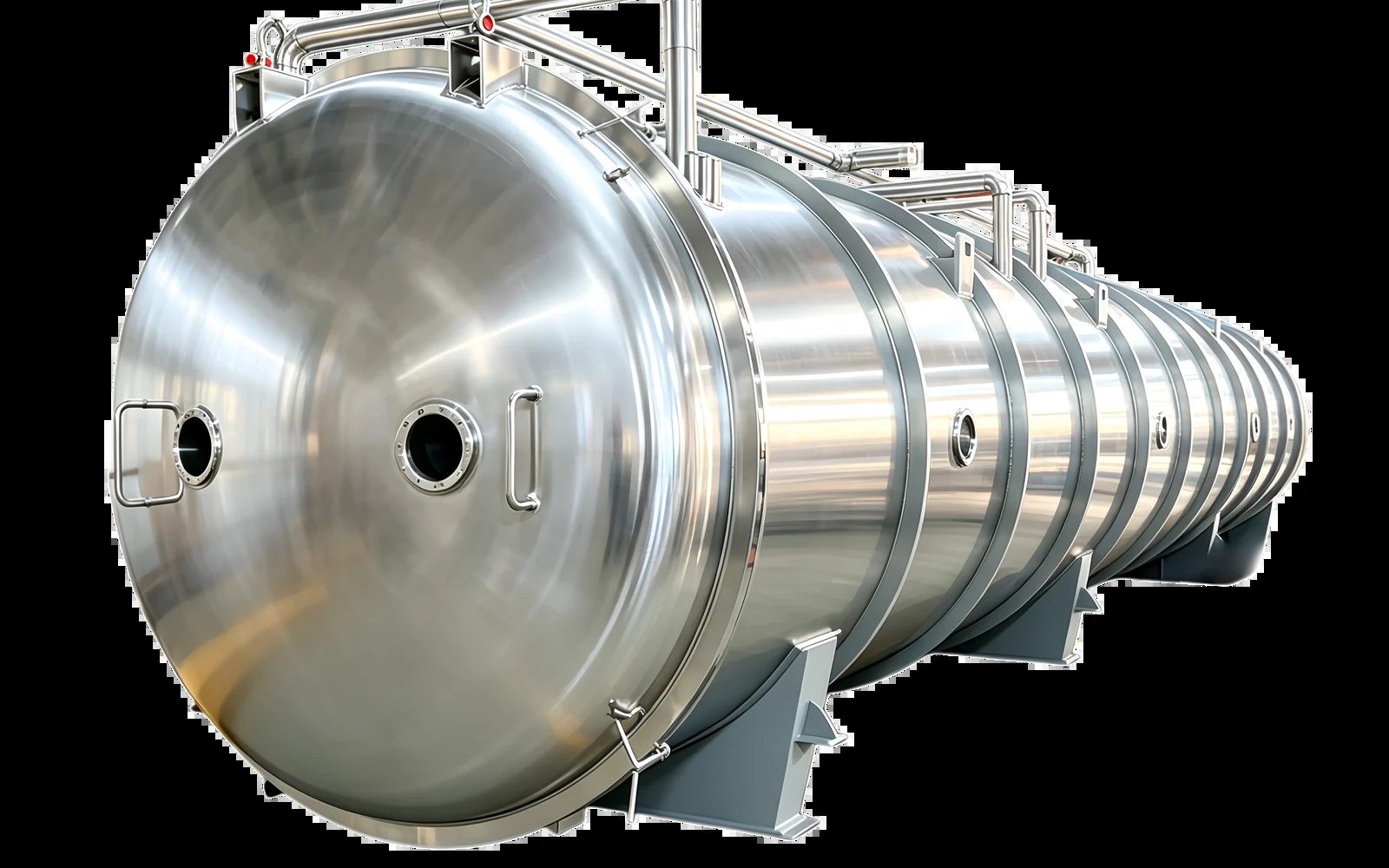
Carry the Sterile Basis Into Commissioning
One basis from quotation to handover
Carry the sterile basis from the quotation into commissioning without a gap. The material certificates, the cleaning boundary, the stopper performance and the data-integrity configuration that were reviewed at purchase are the same items that must be verified during installation, and each one should have an owner and a recorded result.
Agree the commissioning sequence before delivery: utility checks, temperature mapping, leak rate, stopper repeatability and the handover of the batch records. When commissioning follows the same basis as the quotation, the buyer receives a dryer that was specified, built and accepted against one definition instead of three different ones.
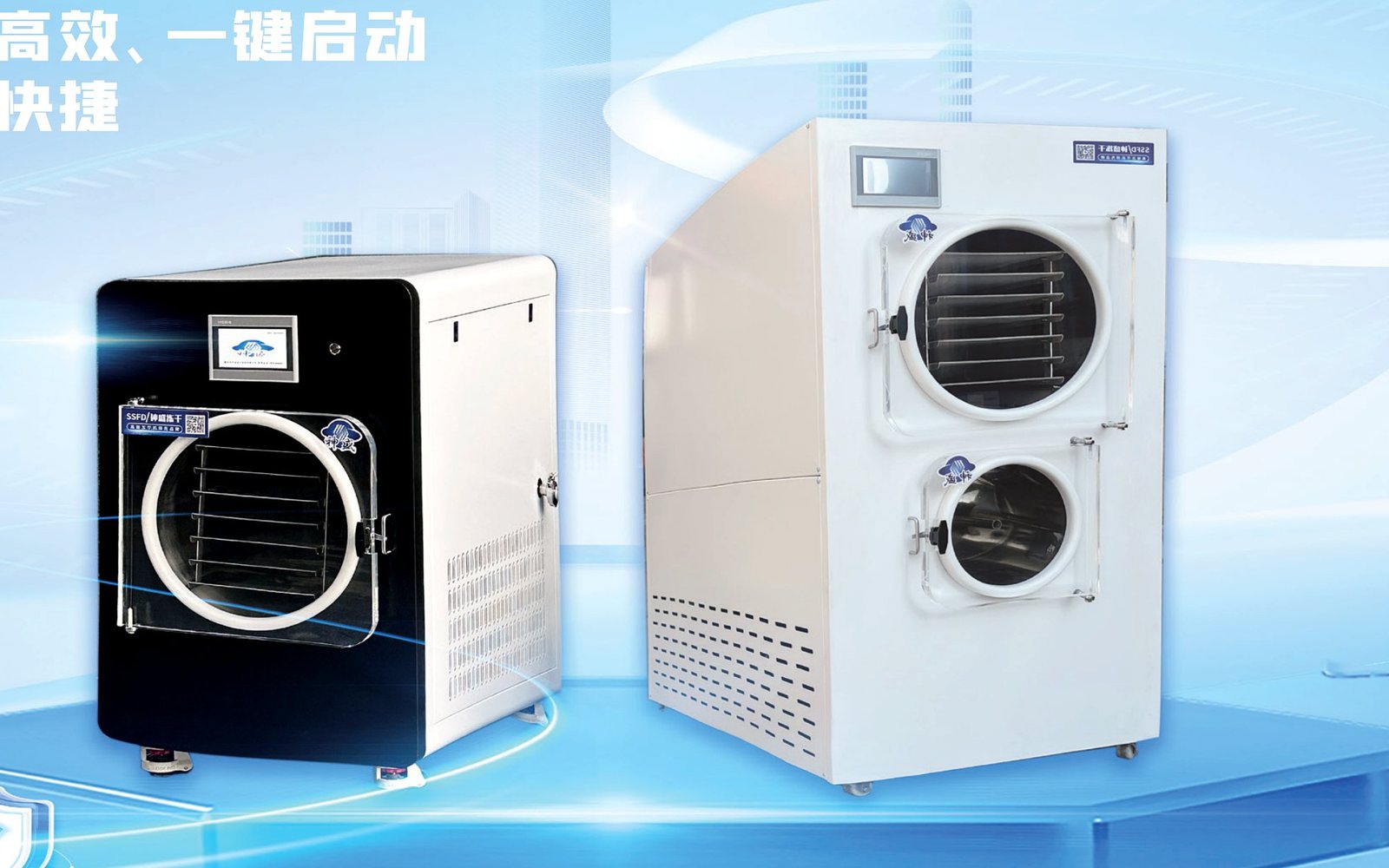
Keep one checklist alive across the whole project. At quotation it lists the material and data requirements; at commissioning it lists the same requirements as test results, so nothing that was promised at purchase is quietly dropped at handover. Where a result cannot yet be produced, record it as an open item with an owner and a date, and close it before the dryer is released for production.
The same checklist then becomes the training and handover record, so the team that operates the dryer inherits the evidence that supports it.
That continuity is what closes the project cleanly.
Related pages
HDF Biomedical Freeze Dryer Models
Compare HDF biomedical freeze dryer model references by area, envelope, power, plates, temperature, vacuum, loading, water capture and cooling method.
HDF Cover Type Freeze Dryer Models
Compare HDF cover type freeze dryers by area, envelope, power, plate count, temperature, vacuum, loading, water capture, cooling and heating route.
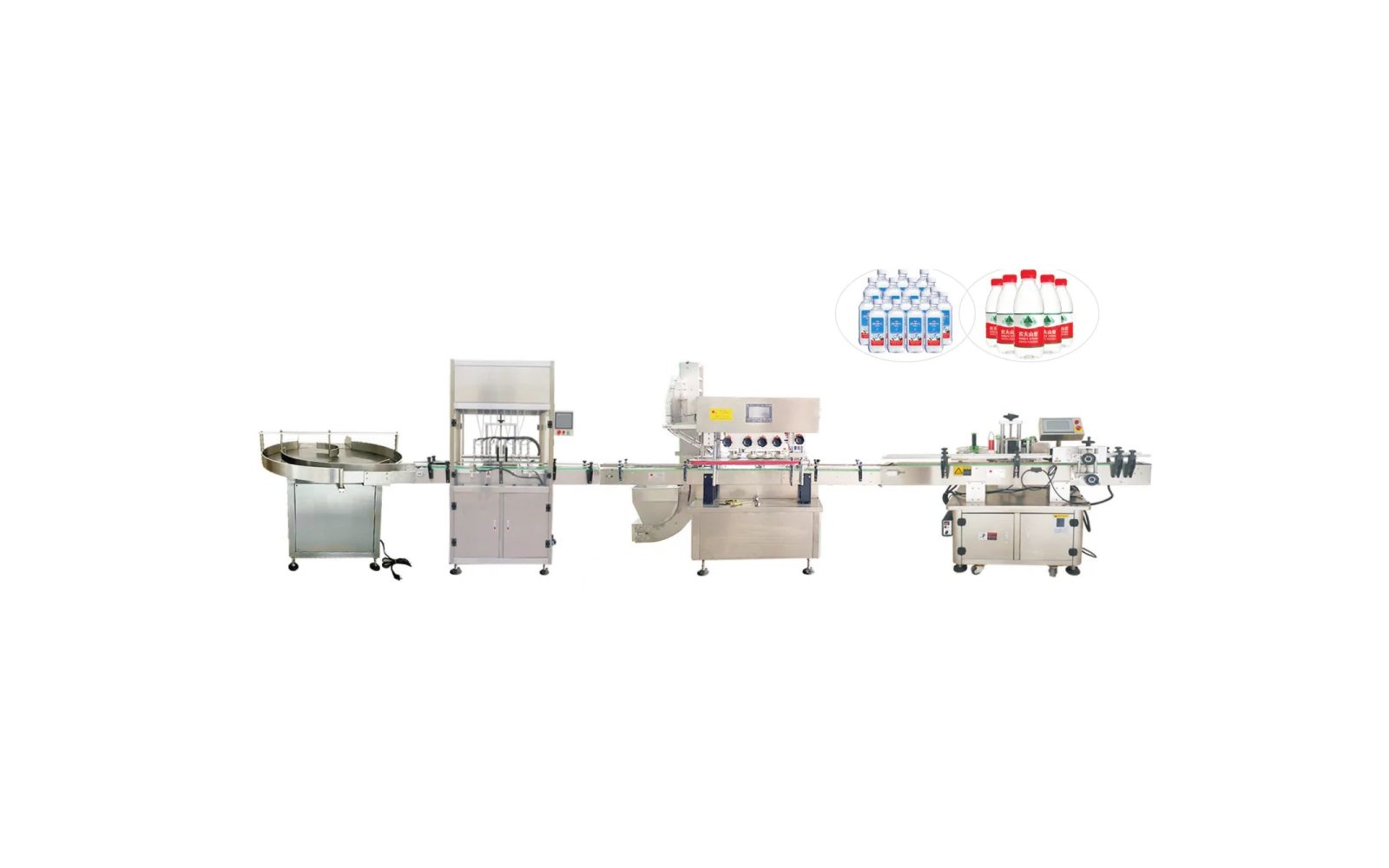
Bottle Filling and Packaging Lines
Compare HDF liquid, powder and granule bottle filling references with capping, can sealing and labeling by range, speed, power and container size.
Pharmaceutical Freeze Dryer Procurement Checklist
A buyer checklist for lyophilizers: product basis, vial format, capping, 316L and CIP/SIP, data integrity, DQ/IQ/OQ/PQ and contract acceptance.