
Sauce processing / Recipe-led configuration
Chili Sauce Production Line
Review the process, equipment duties and project boundary from one defined basis.
Choose the Closest Sauce Structure
Recipe, visible particles, viscosity and package route change the required size reduction, heat transfer, agitation and filling duties.
Define seed, skin and particle limits before refining.
Sort → wash → crush → refine → blend → cook → controlled transfer → fill.
Protect visible particles through mixing and filling.
Sort → wash → cut → cook → blend → hold → fill. Define particle distribution and allowable shear.
Review heat transfer against solids and viscosity.
Prepare → mill → heat → concentrate → hold → fill. Vacuum scope, agitation and transfer pumps are selected from the approved recipe, viscosity and transfer duty.
Start with the approved formula and package.
Provide ingredients, solids, particle target, viscosity range, heating method, fill condition and cleaning restrictions.
Start from the sauce structure, because the recipe decides the equipment before the capacity does. Record the consistency, the particle size, the oil content, the acidity and whether the sauce is a smooth paste, a chunky salsa or a fermented product. A thick paste with seeds and skins flows, pumps, heats and fills differently from a thin, homogeneous sauce, and the line must be built for the one you are making.
Then record what must be preserved. Heat-sensitive flavour, a target pH, a required shelf life or a clean-label constraint each change the processing route. A sauce that must be hot-filled for shelf stability needs a cooking and filling sequence that a fresh, refrigerated sauce does not, so the product structure and the preservation method are settled together.
Connect Product Transformation to Cleaning and Filling
Each duty is selected from the approved recipe and acceptance method.
Receive & wash
Inspection, stalk and foreign-material control, washing and drainage.
Cut, crush or mill
Particle development, seed and skin decision and transfer behavior.
Blend & heat
Ingredient addition, agitation, heat transfer and buyer-defined thermal basis.
Hold & transfer
Residence, temperature, viscosity, pump and closed-transfer requirements.
Fill & finish
Container, dose, fill condition, closure, cooling and cleaning boundary.
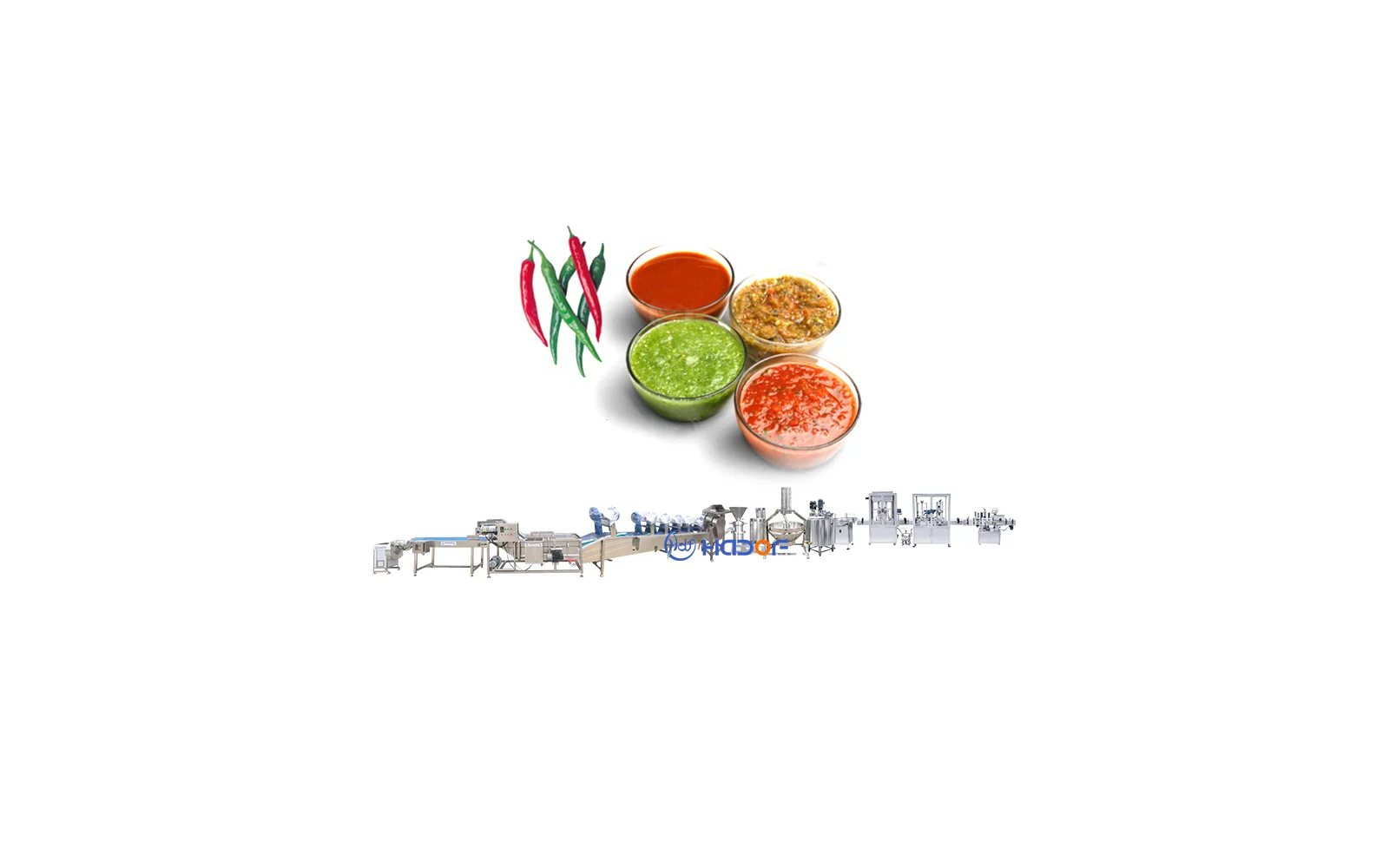
Connect the transformation steps to cleaning and filling, because a sauce line is really a continuous route from raw chili to sealed pack. Washing, destemming, grinding, cooking, homogenising, holding and filling must each hand off a defined condition to the next stage, and the cleaning between batches is part of the route rather than an interruption.
Plan the changeover and the cleaning-in-place sequence with the product. A chunky sauce leaves solids in pipes and valves, so the cleaning system must be able to remove them, and a spicy product requires containment so the capsaicin does not spread through the factory. The line that is easy to clean is the line that can run multiple recipes without cross-contamination.
The line that is easy to clean is the line that can run more than one recipe safely.
Four Decisions Drive Equipment Selection
They are recorded before model, output or price discussion.
- 01Raw materialVariety, maturity, stalk load, foreign material, temperature and seasonal range.Approved feed basis
- 02Particle profileSkin, seed, visible particles, distribution and allowable shear.Inspection method
- 03Recipe and thermal processIngredients, solids, viscosity, time, temperature and hold defined by the buyer.Process record
- 04Package interfaceContainer, fill size, fill condition, closure, cooling and downstream handling.Pack record
Raw material
Variety, maturity, stalk load, foreign material, temperature and seasonal range.
Particle profile
Skin, seed, visible particles, distribution and allowable shear.
Recipe and thermal process
Ingredients, solids, viscosity, time, temperature and hold defined by the buyer.
Package interface
Container, fill size, fill condition, closure, cooling and downstream handling.
Configuration logic and equipment combination
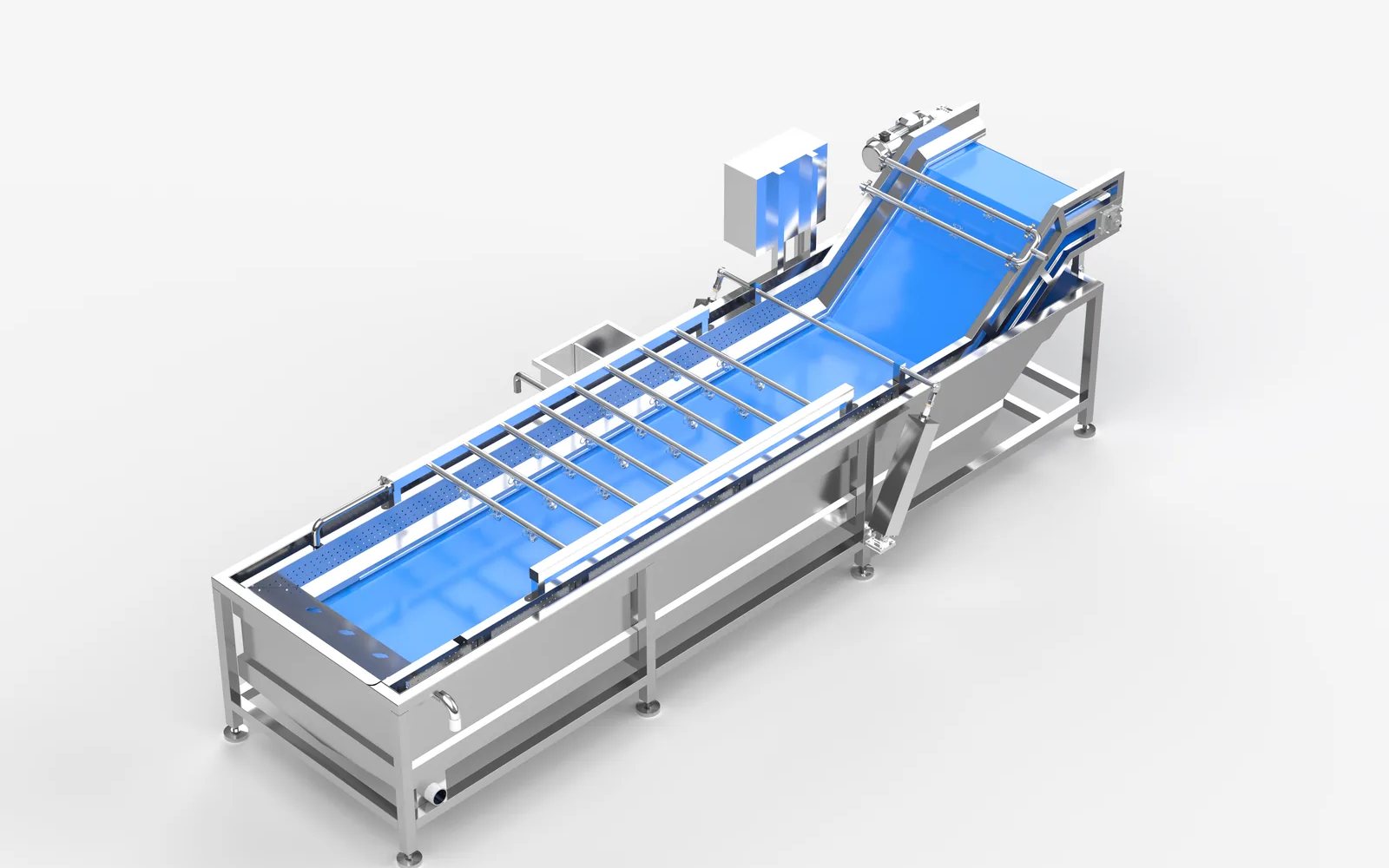
Four decisions drive the equipment selection. First, the particle size and how it is achieved: grinding, milling or homogenising, selected for the texture you must deliver. Second, the thermal step: cooking, pasteurising or hot-filling, sized for the product's pH, viscosity and shelf-life target. Third, the filling and capping technology for jars, bottles or pouches. Fourth, the cleaning and changeover regime that lets the line switch recipes.
Each decision constrains the next. A chunky sauce may need a piston filler that can pass large particles, while a smooth sauce can use a faster gravity or net-weight filler. A low-acid product needs a stronger thermal process than a high-acid one. Resolve the four decisions with the actual recipe before comparing prices, so the quotation contains the line that can make the sauce rather than the line that looked cheapest.
Build the Line by Duty and Cleanability
The final model, wetted surfaces, controls and output basis are documented against the approved product and quotation scope.
Inspection and washing
Sorting table, washing duty, stalk or reject handling and drainage.
Cutting, crushing, milling or refining
Select from the required particle distribution and seed or skin decision.
Mixing and thermal vessels
Working volume, heat-transfer route, agitation, hold and pump duties.
Controlled transfer and package interface
Holding, filling, closure, cooling and downstream handling boundary.
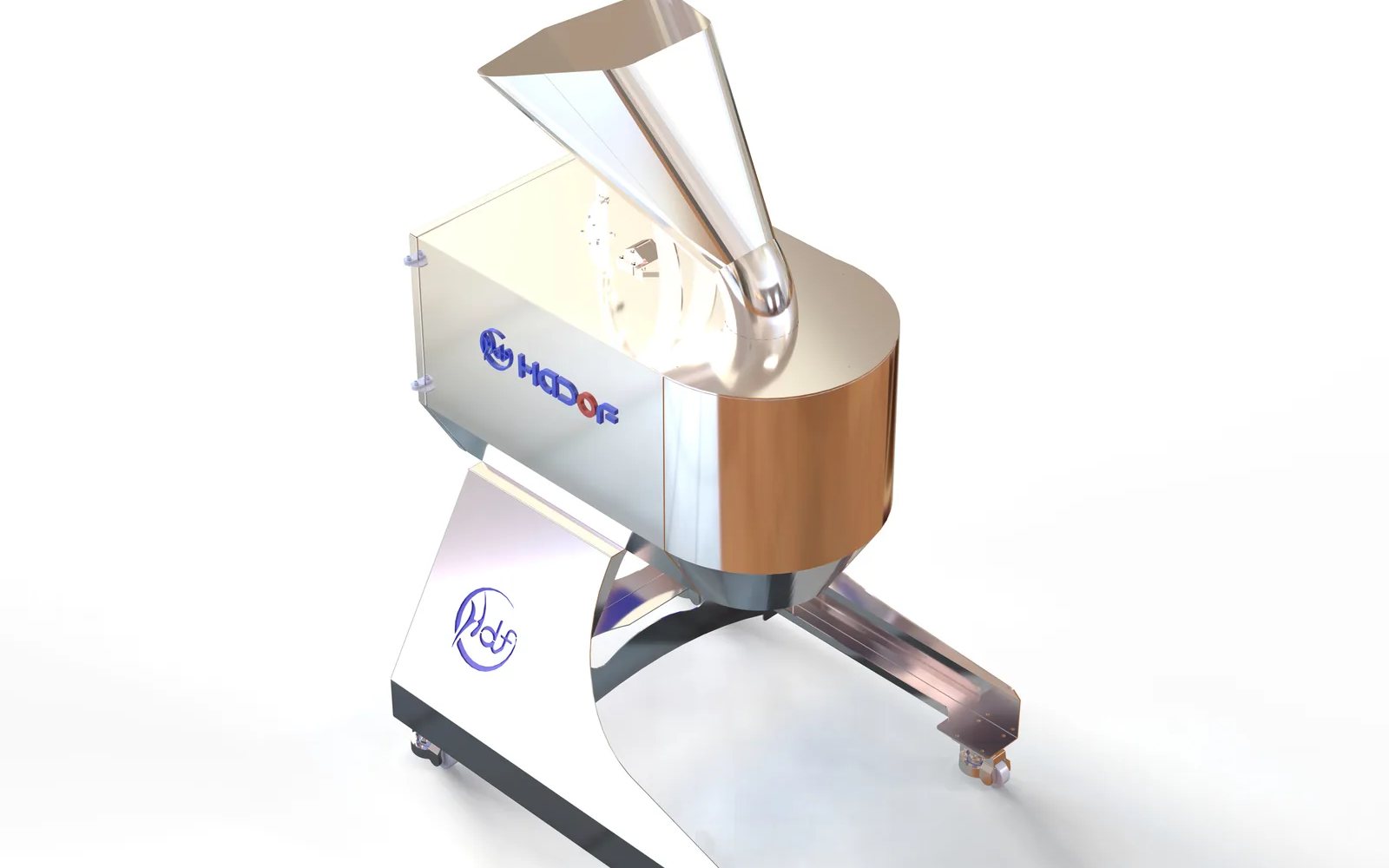
Build the line by duty and cleanability instead of by a list of machines. Give each stage a clear job: reduce size, apply heat, homogenise, hold, fill, seal and cool. Then select each machine for that job and for how easily it can be cleaned, because a sauce line that cannot be fully cleaned between recipes will limit the products you can make.
Design the pipework and the pumps for the product's viscosity and particle content. Undersized pumps and dead legs trap sauce and complicate cleaning, while the wrong pipe diameter changes the flow and the heat transfer. The line should be laid out so product moves steadily and cleaning fluid can reach every surface.
Give each stage one job, and cleanability becomes part of that job rather than an afterthought.
Design Product, Utility and Cleaning Routes Together
Layout review covers raw receiving, wet processing, thermal area, package route, people flow and maintenance access.
Water and drainage
Washing, vessel cleaning, floor drainage and waste-water responsibility.
Heating and extraction
Electric, steam or other heating medium, ventilation and ambient load.
Product transfer
Gravity or pumped transfer, hold time, pipe route, valves and cleaning access.
Filling and finish
Container supply, closure, cooling, coding, packing and downstream ownership.
Quotation and acceptance gate
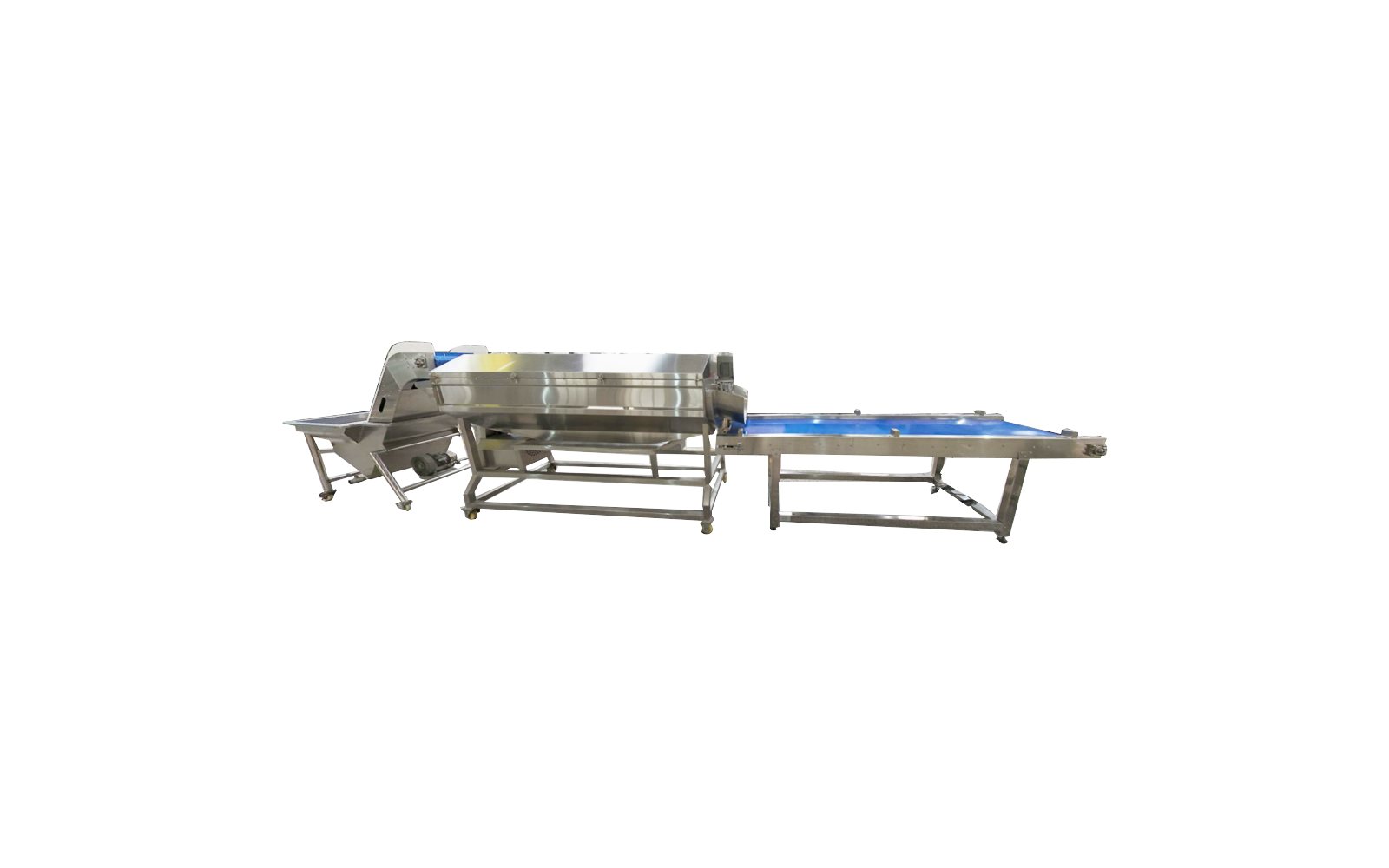
Design the product, utility and cleaning routes together rather than layering cleaning on at the end. Steam, hot water, compressed air and drainage all need a defined place in the layout, and the cleaning-in-place system must reach every tank, pipe and valve. When the utility routes are designed with the product route, the line stays clean without heroic effort.
Confirm the services before the layout is frozen. Record the steam or hot-water demand for cooking and pasteurising, the cooling water for the filled packs, and the drainage for washdown. A sauce line that is short of steam or drainage will be slowed by its own services, so the utilities are part of the equipment decision.
When the services are designed with the product, the line stays clean without heroic effort.
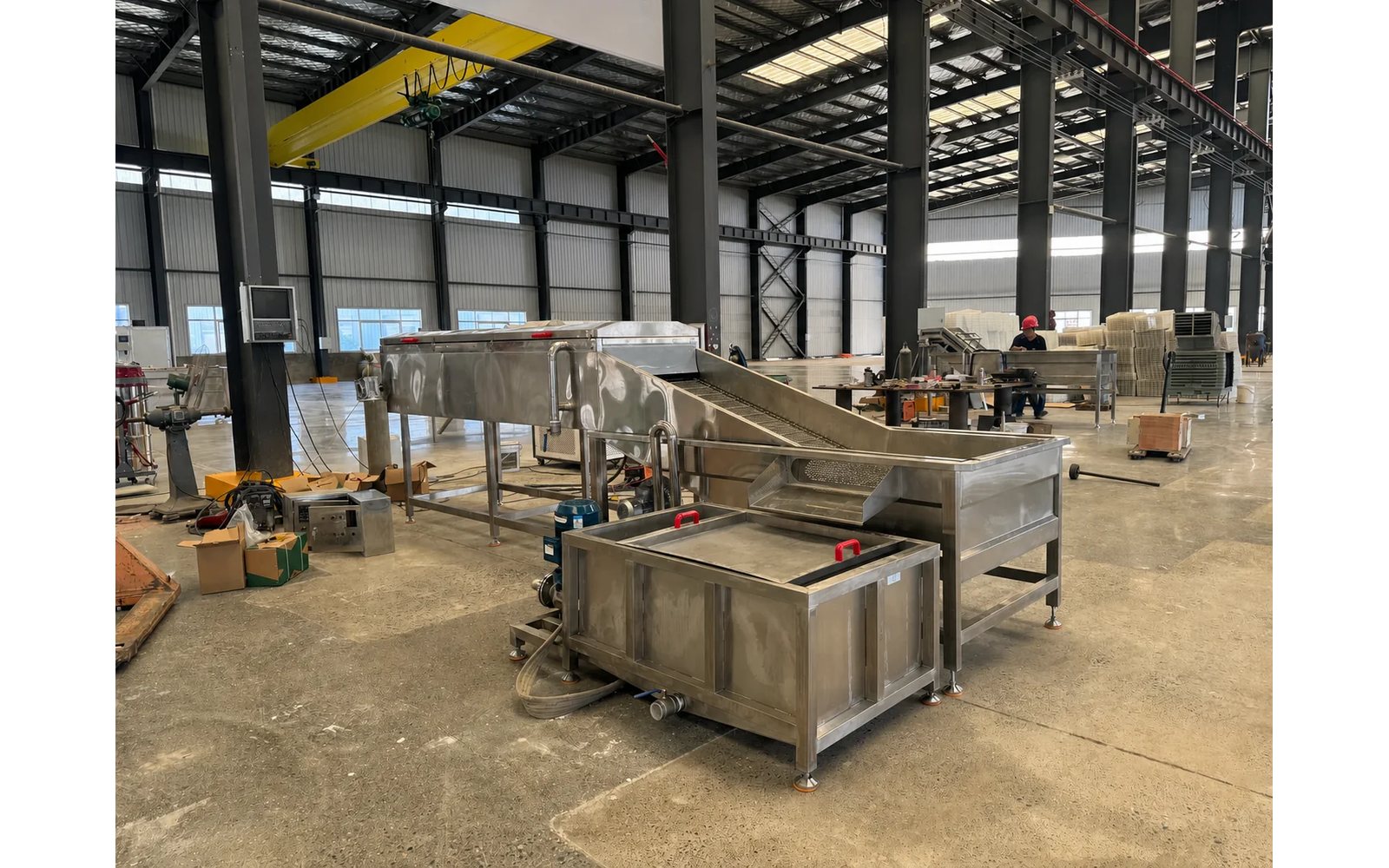
Send One Complete Product and Factory Basis
See the source-limited case record before using it as evidence.
| Product and recipe | Chili variety, incoming state, ingredients, solids, particle profile and viscosity. |
|---|---|
| Thermal basis | Buyer-defined time, temperature, hold, heating medium and inspection method. |
| Package basis | Container, fill size, fill condition, closure and downstream cooling. |
| Factory basis | Required output, batches or hours, utilities, layout, cleaning and destination. |
Fruit & Vegetable Processing Systems
Review raw-material and finished-route procurement logic.
Tanzania Chili Sauce Project
Use only within the documented transaction and scope boundary.
Food Processing Project Brief
Prepare recipe, process, utilities and layout information.
| Finished sauce route | Define particle reduction, heating, holding, transfer and filling duties from the approved recipe |
|---|---|
| Target output input | Provide kg/h or batches per day, batch size and operating hours |
| Heating-medium review | Compare the available site utility with the required thermal duty and control boundary |
| Package input | Provide container, fill size, fill temperature, closure and downstream handling |
Frequently asked questions
What recipe information is required for a chili sauce line?
Does the recorded 200 kg/h project prove output for every sauce?
Can filling equipment be included?
Before requesting a model, send one complete product and factory basis. Include the recipe and its consistency, the particle size, the pH, the target shelf life, the hourly output and the pack format, and add the utilities, the floor space and the cleaning regime. This single input set lets the supplier choose the cooking, filling and cleaning equipment together instead of guessing from a single photo.
Keep that basis attached to the quotation and the acceptance test. The sauce the line is required to make, the pack it must fill and the cleaning it must survive should be the same in the enquiry, the quotation and the final acceptance, so the buyer holds the supplier to a written product rather than a remembered conversation.
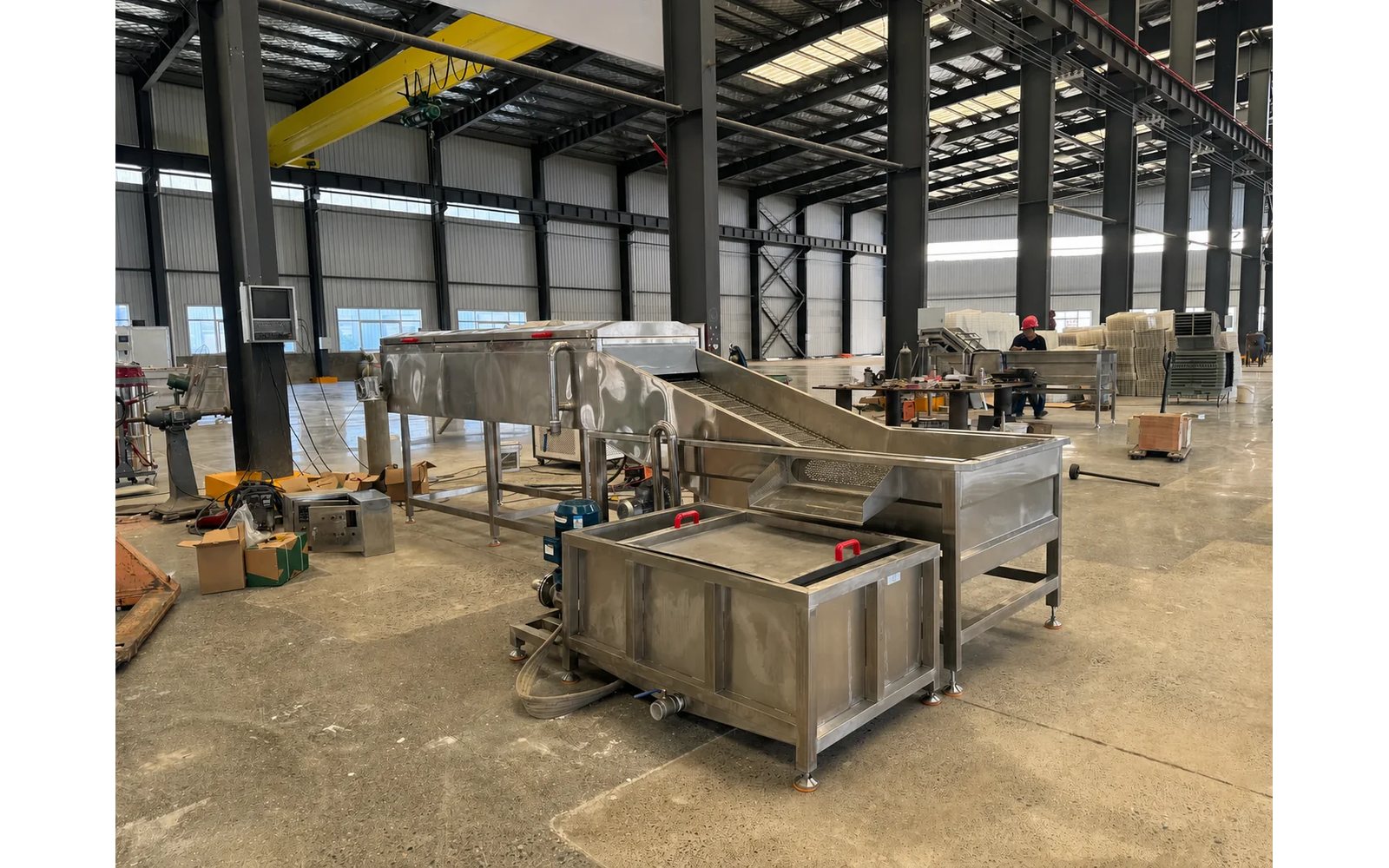
Related pages
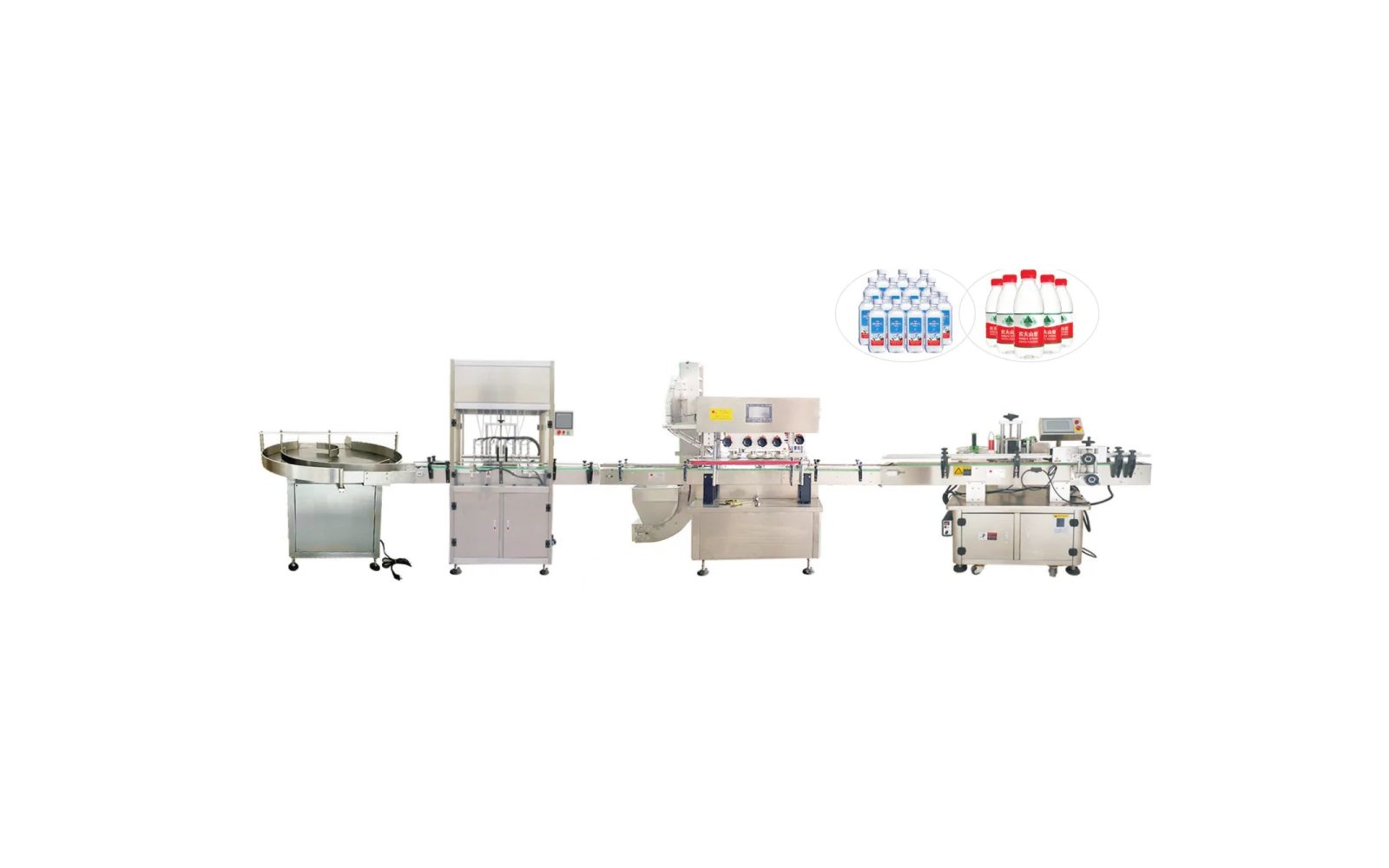
Bottle Filling and Packaging Lines
Compare HDF liquid, powder and granule bottle filling references with capping, can sealing and labeling by range, speed, power and container size.
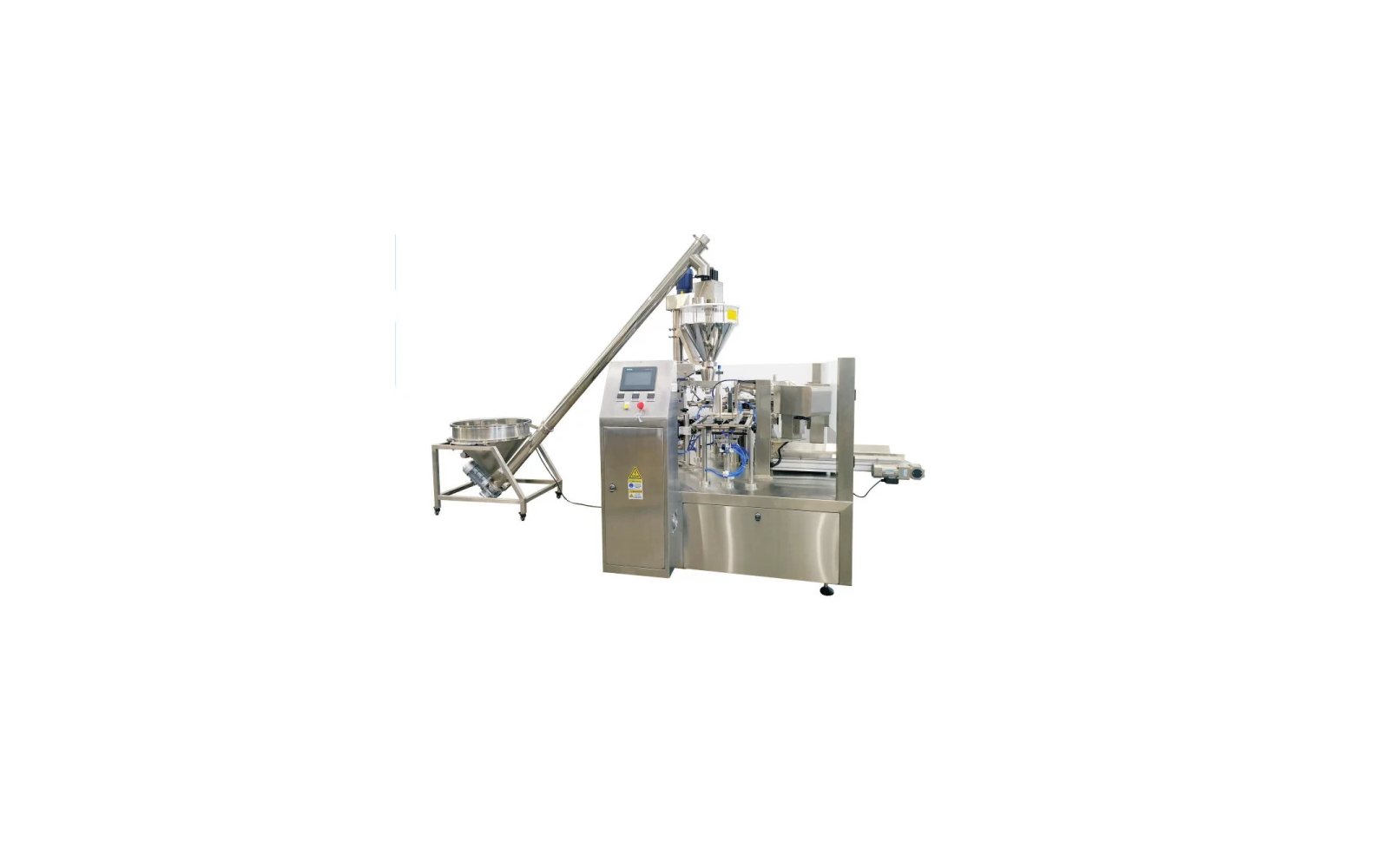
Premade Pouch Packaging Machines
Compare HDF premade pouch machines for powder and granules by bag size, dose, speed, accuracy reference, power, air and metering configuration.
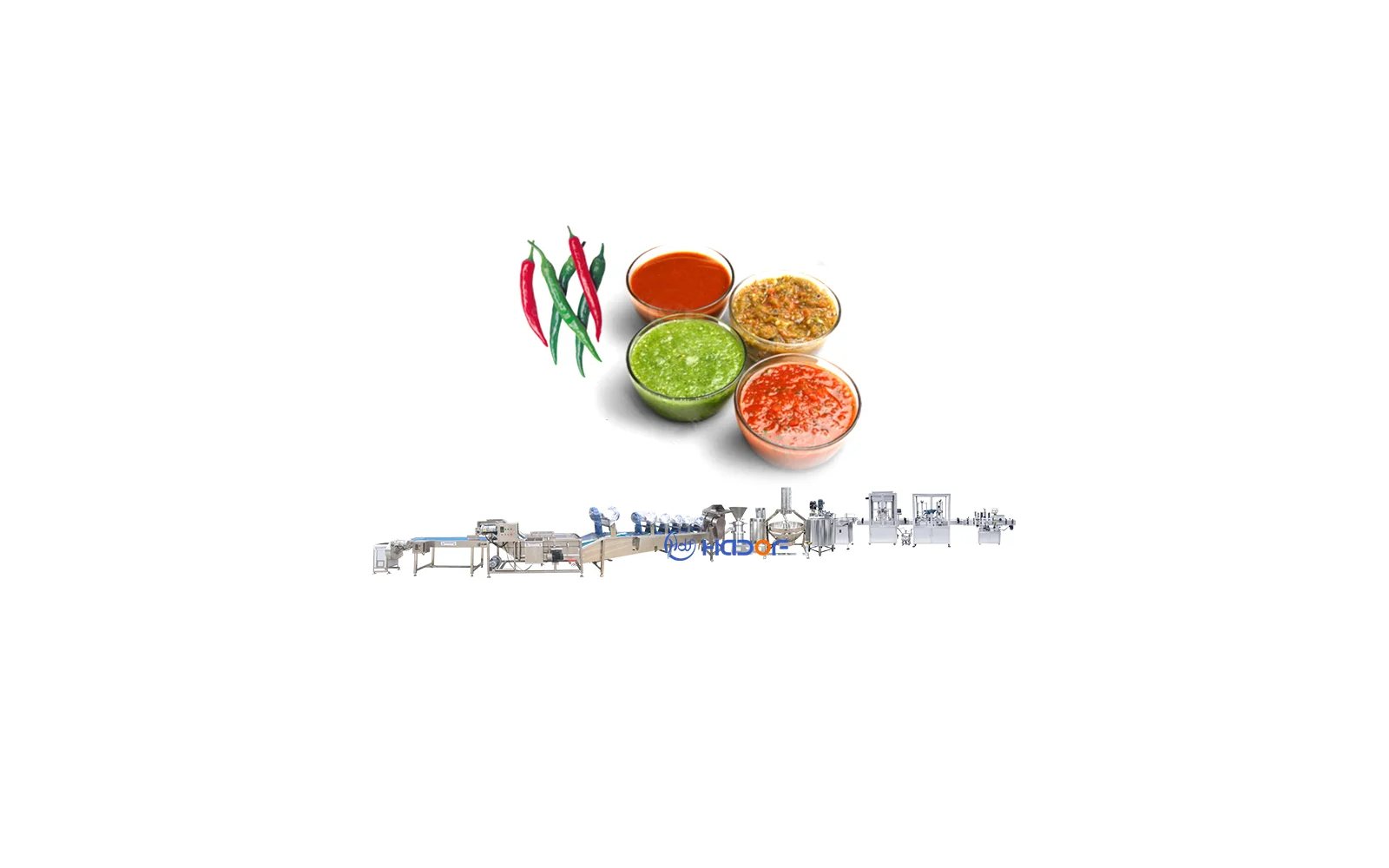
200 kg/h Chili Sauce Production Line
Review the verified basis of a recorded Tanzania 200 kg/h chili sauce line transaction without unverified equipment or performance claims.