
Vertical Form Fill Seal and Flow-Pack Machines
Review the process, equipment duties and project boundary from one defined basis.
Confirm the Product, Pack and Line Interfaces Before Comparing Speed
Define the product-pack route first
A vertical form-fill-seal machine is specified around the film, the product and the pack as one system. Record the film material, width and gauge, the bag style and size, and whether the pack needs a gusset, a zipper, a tear notch or a hole punch. Then record the product: its density, flow behaviour, piece size and temperature, because the forming tube and the filling method both change with the material.
The interfaces decide the rest. Confirm how product arrives at the weigher or auger, how the film roll is spliced, and how the finished bag is discharged to the checkweigher and case packer. For dusty or sticky products, specify the film tracking and sealing conditions early, because a machine that fills quickly but cannot hold a clean seal across the film width is not performing at all.
Confirm the film specification and the printed registration early, because a machine is only as consistent as the film it pulls, and film with poor slip or variable gauge defeats the best tracking system.
Confirm the film specification and the registration mark, because the film is half the machine's consistency.
Confirm the film and the registration mark, because the film is half the machine's consistency.
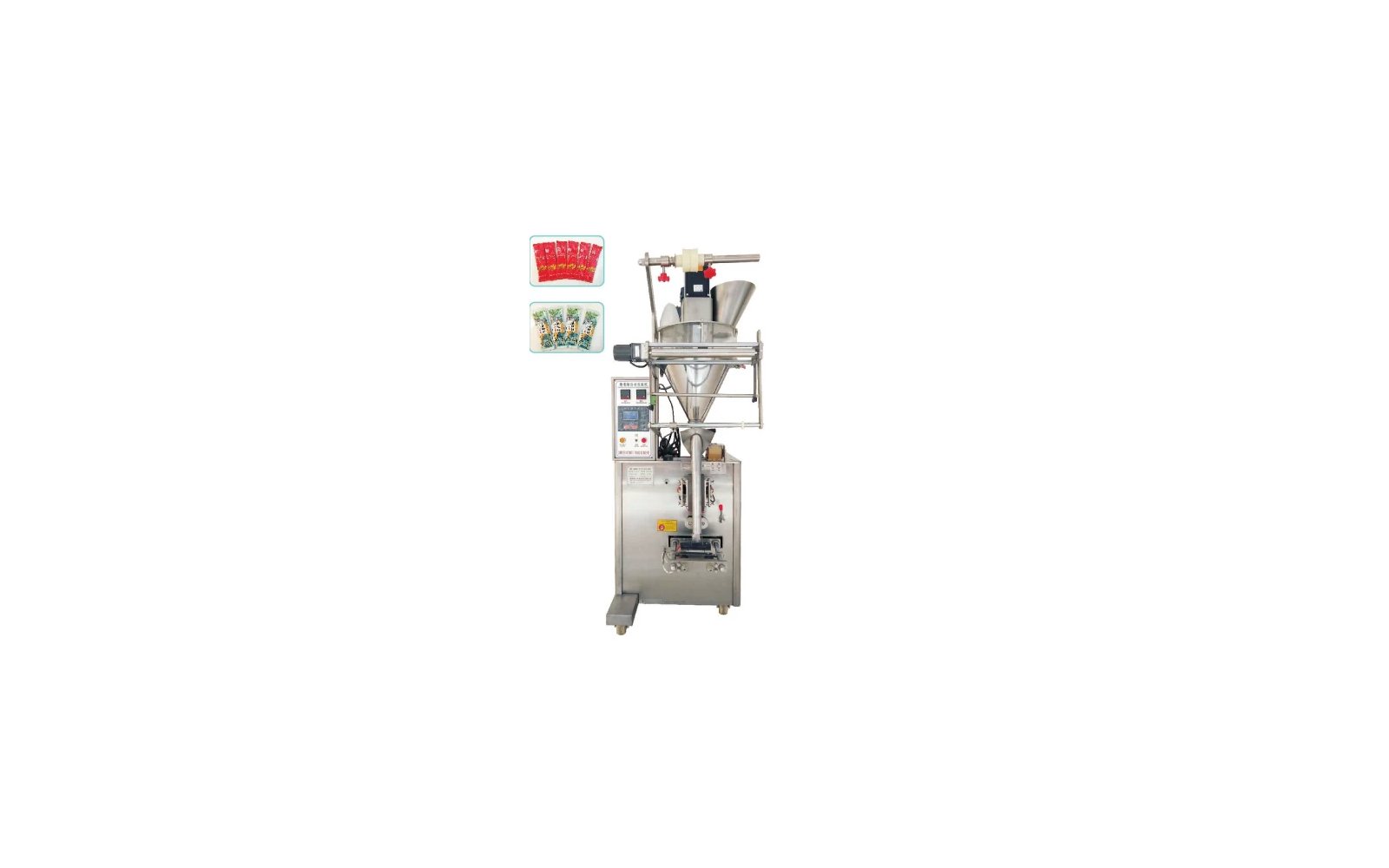
Balance Product Flow, Pack Formation and Line Handoff
Packaging route and parameter consequences
The VFFS cycle has three moving parts: film forming and pulling, product dosing, and sealing with cutting. If the sealing jaws close slower than the weigher discharges, the machine waits; if the film cannot track at the required rate, bags drift out of registration. Balance these around the actual film and product rather than a brochure speed measured on an easy, non-sticky product.
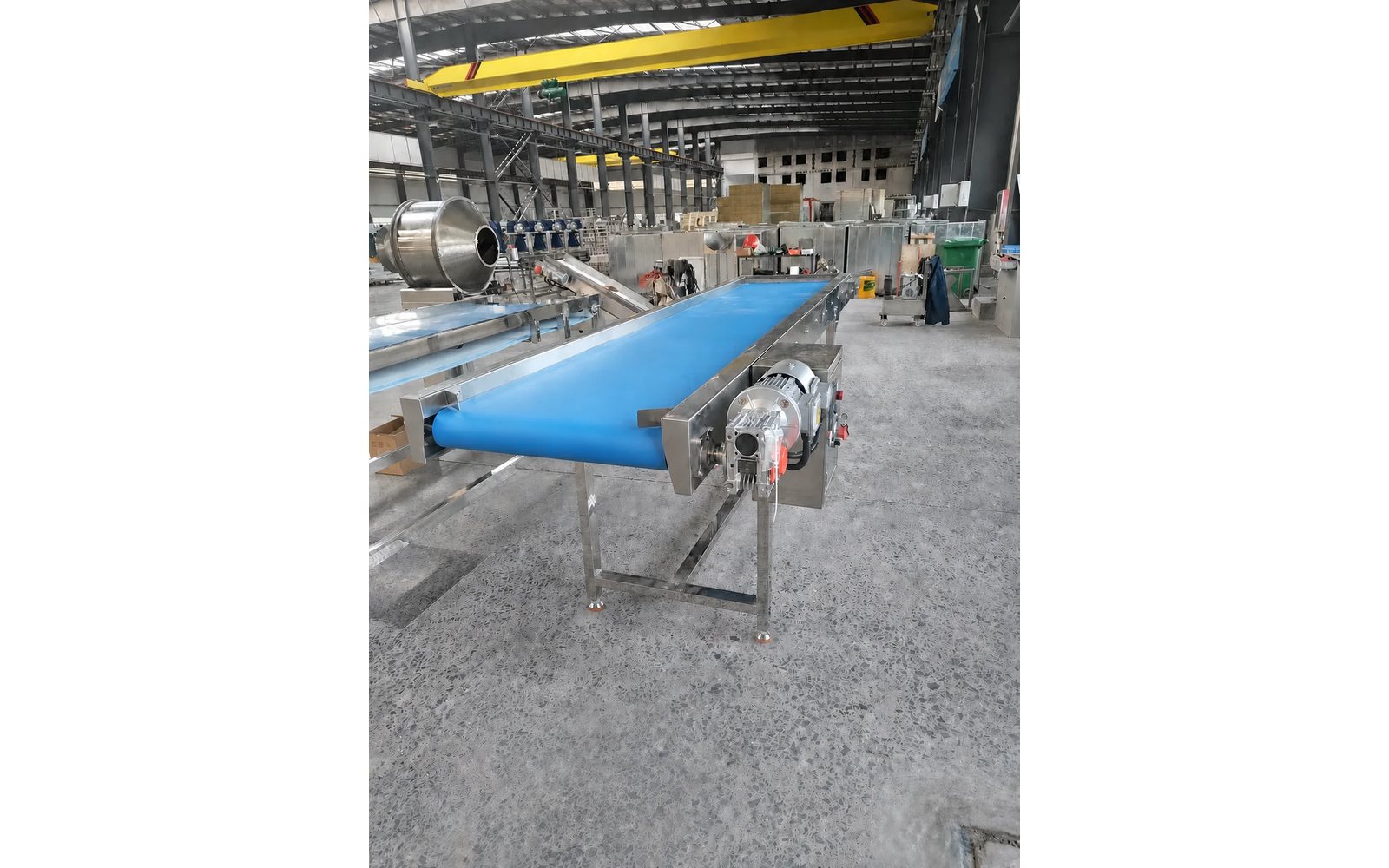
Design the handoff to absorb the machine's natural rhythm. A film splice, a rejected bag or a short fill should not stop the whole line, so plan accumulation downstream and a defined reject route. Confirm how registration is corrected when the printed film drifts, and how the machine handles the first and last bags of a roll, because those transition bags are a common source of unrecorded waste.
Handle the first and last bags of every roll as a planned event, since those transition bags are where registration and seal errors hide and where unmeasured waste quietly accumulates.
Plan the first and last bags of every roll, since the transition is where seal and registration errors hide.
Plan the first and last bags of each roll, since that is where the errors hide.
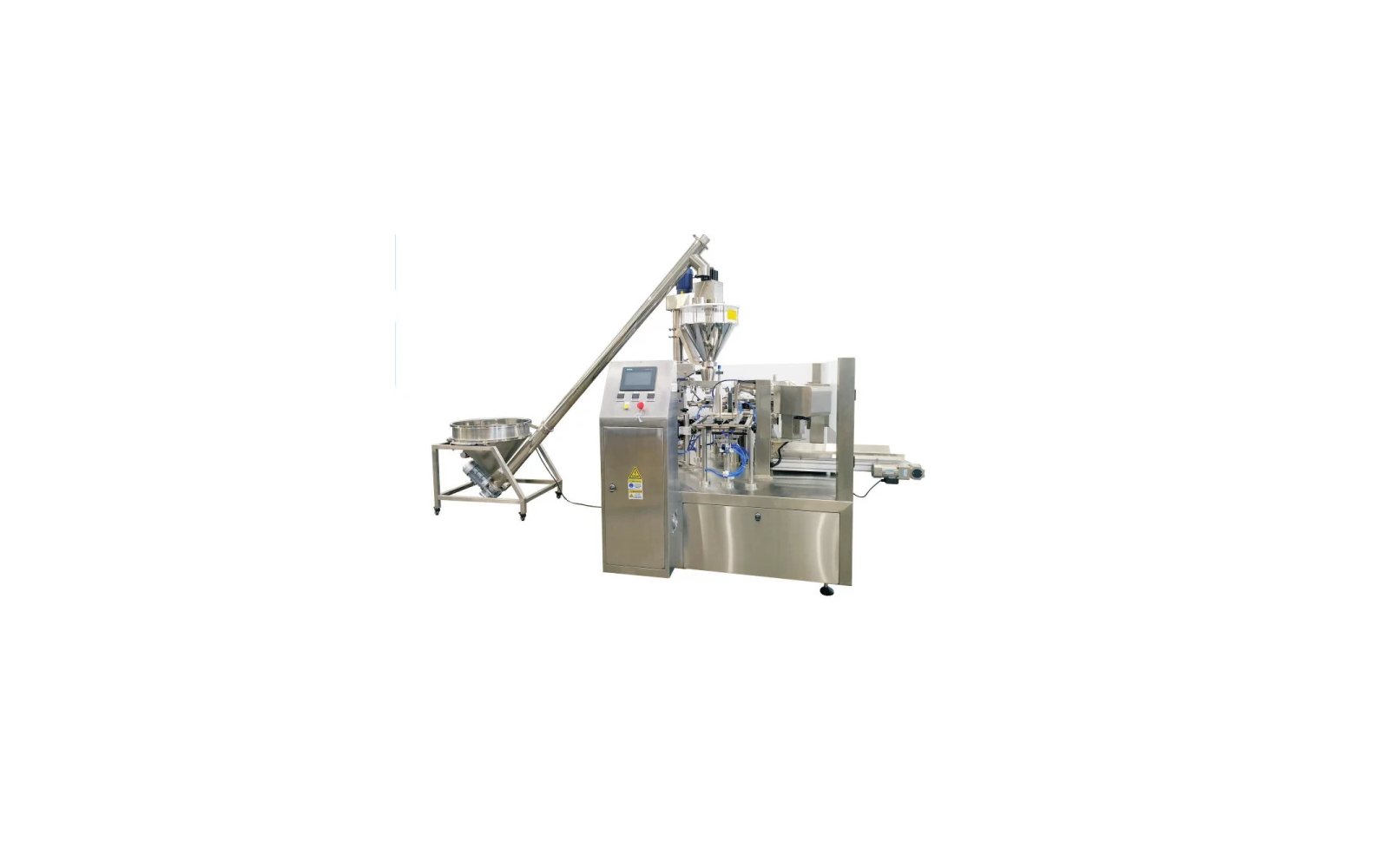
Compare Each Model Against One Product-Pack Basis
Models and technical parameters
Compare VFFS machines on one basis: the film specification, bag dimensions, fill weight, product, and the output over a full shift including splices and changeovers. A machine quoted at 80 bags per minute on a narrow, thin film will not hold that rate on a wide, gusseted bag with a printed registration mark and a heavy product.
Normalise what the speed and accuracy figures include. Ask whether the output is per tube or for a multi-lane configuration, whether the fill accuracy is a short-term reading or a shift record, and how the machine reacts to film splices and product density changes. A trial with your film and product, measuring bag quality and waste, is the only reliable comparison.
Compare on bag quality, not just bags per minute: measure seal strength, bag length and the waste rate on your film and product, then decide which machine is actually cheaper.
Bag quality and waste on your own film decide which machine is genuinely cheaper, not the bags-per-minute headline.
Bag quality and waste on your own film decide which machine is genuinely cheaper.
Waste and seal quality on your own film are the only comparison that survives contact with production.
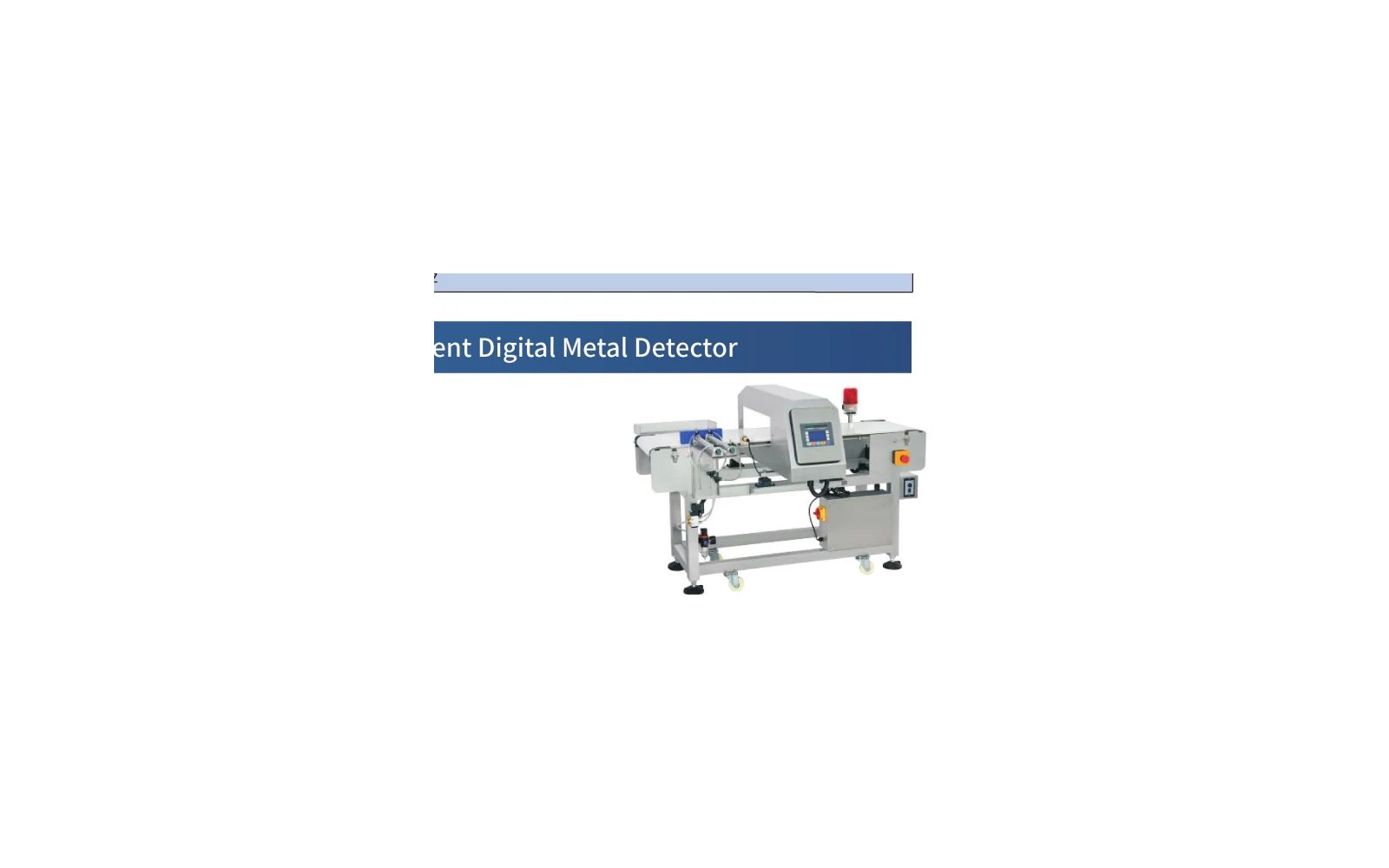
Resolve Four Connected Decisions Before Quotation
Selection logic and configuration boundary
- 01 / ProductDefine behavior at the metering interface.Record flow, temperature, dust, fragility, bulk density where relevant, refill method and representative product variation.
- 02 / Dose and packKeep target, container and material together.Confirm nominal dose, tolerance, pack dimensions, film or pouch structure, closure, code, label and presentation requirements.
- 03 / Seal and verifySet an observable package acceptance rule.Define sealing conditions, contamination risk, leak or closure checks, weight or inspection limits, reject behavior and records.
- 04 / Line interfaceBalance every upstream and downstream handoff.Release infeed, refill, elevation, buffering, discharge, accumulation, guarding, utilities, controls, data and responsible parties.
Four decisions precede the quotation. First, the dosing method: multi-head weigher, auger, cup or liquid pump, chosen from the product and the accuracy target. Second, the sealing and cutting technology, including jaw temperature control and the seal-strength verification. Third, changeover: which parts change between bag sizes and how the machine proves a new format. Fourth, controls: film registration, recipe storage, reject logging and line integration.
The decisions are connected. A zipper requires an applicator and a second sealing step; a gas-flushed bag requires a gas supply and a residual-oxygen check; a printed film requires registration control. Work through them with the actual product and film before comparing prices, so the quotation contains the configuration that can run the format, not the configuration that looks cheapest on a spreadsheet.
Turn the Catalog Row Into a Testable Project Record
Quality, testing, evidence and acceptance
The acceptance plan should state which catalog values are inspected, which functions are demonstrated, which product measurements are available at the factory and which checks can occur only after installation.
Model row, pack drawing, material, dose basis, layout, utilities, options, interfaces, responsibilities and evidence plan.
Identity, construction, controls, safety, product path, tooling, seal functions, inspection and agreed dry-run records.
Test product and material, refill condition, speed window, dose result, seal or closure result, rejects and declared limits.
Installation, utilities, upstream and downstream balance, product run, recipes, training and closure of open items.
Turn the model into a testable record by writing the product, film, bag, fill weight, speed, accuracy and seal criteria into an acceptance plan. Agree the seal-strength and leak test, the sampling frequency, and who supplies the film and product for the trial. For food contact, also record the film specification so the machine and the material are validated together.
Run a factory acceptance test that logs bag dimensions, weights, seals and rejects across a defined run, then repeat it at site under production conditions. Keep the records because they are the evidence that the machine can hold the claimed bag quality and accuracy, not just that it switched on and made bags.
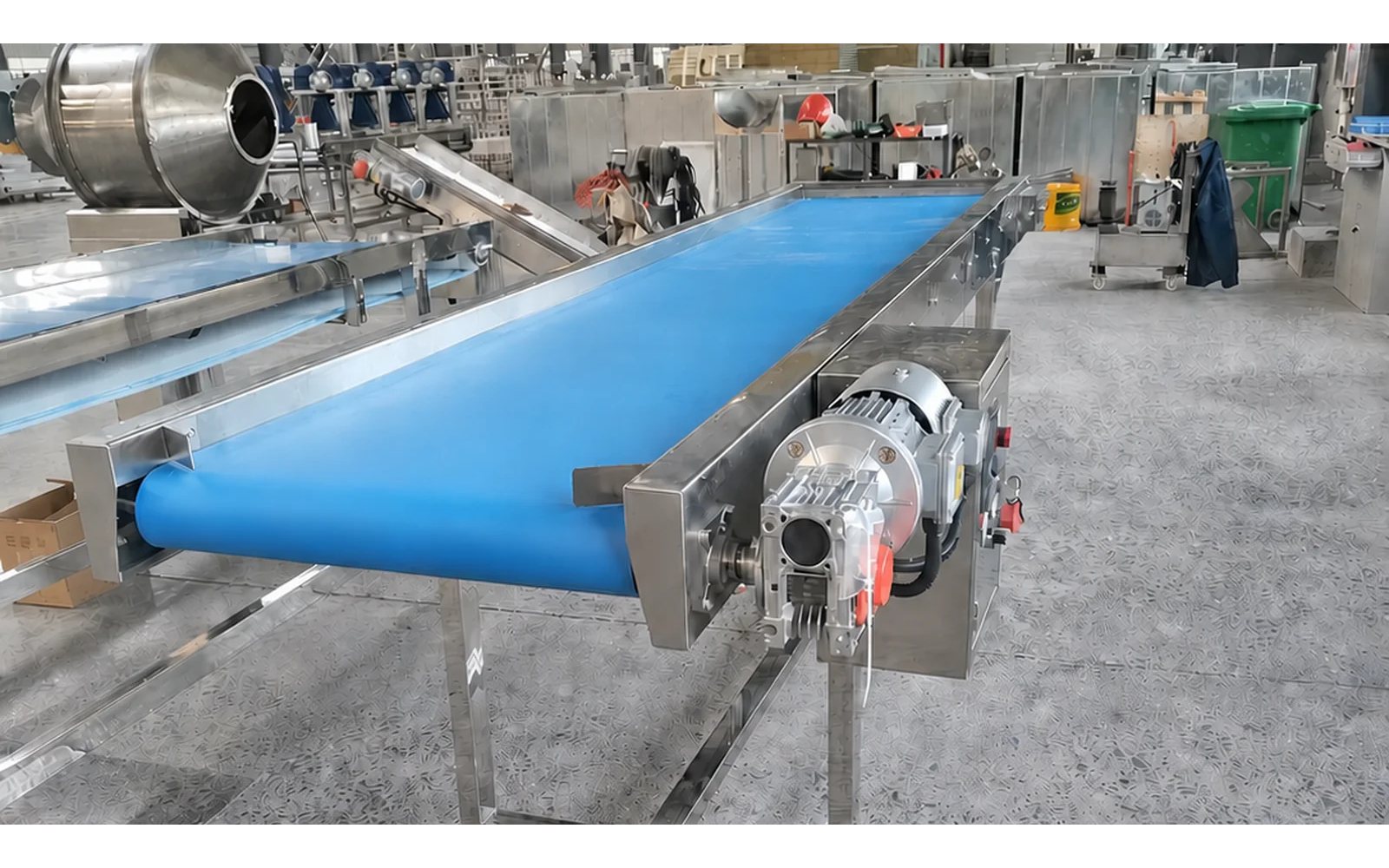
Confirm Responsibilities Beyond the Machine Name
Quotation, delivery and support scope
HDF-420 to HDF-720 powder VFFS
Select a model to inspect its dimensions, duty and utilities. Compare values within the same family and operating basis.
| Bag size | L80-350 × W150-200 mm |
|---|---|
| Speed | 5-60 bags/min |
| Film width | 420 mm |
| Film thickness | 0.04-0.09 mm |
| Power | 2 kW / 220 V |
| Max metering | 2000 ml |
| Weight | 450 kg |
| Envelope | 1420×1020×1380 mm |
| Bag size | L80-350 × W150-250 mm |
|---|---|
| Speed | 5-50 bags/min |
| Film width | 520 mm |
| Film thickness | 0.04-0.09 mm |
| Power | 2.2 kW / 220 V |
| Max metering | 4000 ml |
| Weight | 550 kg |
| Envelope | 1500×1120×1610 mm |
| Bag size | L80-350 × W150-300 mm |
|---|---|
| Speed | 5-40 bags/min |
| Film width | 620 mm |
| Film thickness | 0.04-0.09 mm |
| Power | 2.5 kW / 220 V |
| Max metering | 6000 ml |
| Weight | 650 kg |
| Envelope | 1720×1240×1800 mm |
| Bag size | L80-350 × W150-350 mm |
|---|---|
| Speed | 5-30 bags/min |
| Film width | 720 mm |
| Film thickness | 0.04-0.09 mm |
| Power | 3 kW / 220 V |
| Max metering | 8000 ml |
| Weight | 750 kg |
| Envelope | 1700×1340×1980 mm |
Compact VFFS and stick references
| Duty | Powder |
|---|---|
| Range | Project-selected dose |
| Bag size | W20-130 × L40-175 mm |
| Speed | 30-60/min |
| Film width | 60-280 mm |
| Feed | Screw |
| Power | 2.5 kW / 220 V |
| Bag or film | Pillow, gusset or back seal; PE/PP/PET |
| Weight | 280 kg |
| Envelope | 680×1120×1950 mm |
| Duty | Granule |
|---|---|
| Range | 10-80 g |
| Bag size | W60-300 × L40-175 mm |
| Speed | 30-60/min |
| Film width | 60-280 mm |
| Feed | Measuring cup |
| Power | 3 kW / 220 V |
| Bag or film | Three/four-side, gusset or back seal; BOPP/CPP/PE/PP/PET |
| Weight | 200 kg |
| Envelope | 1000×800×1600 mm |
| Duty | Liquid stick |
|---|---|
| Range | 10-100 ml |
| Bag size | W20-60 mm; length adjustable |
| Speed | 20-30/min |
| Film width | 60-280 mm |
| Feed | Drop-down and cut filling |
| Power | 3 kW / 220 V |
| Bag or film | Three-side or back seal; BOPP/CPP/PE/PP/PET |
| Weight | 350 kg |
| Envelope | 980×920×1950 mm |
| Duty | High speed |
|---|---|
| Range | 10-100 g |
| Bag size | L50-170 × W50-150 mm |
| Speed | 40-120/min |
| Film width | 90-320 mm |
| Feed | Selected filler |
| Power | 3.3 kW / 220 V |
| Bag or film | Three-side or back seal; PP/PE/PVC/PS/PVDC+PVC |
| Weight | 500 kg |
| Envelope | 1313×1003×1447 mm |
Pillow pack references
| Film width | ≤250 mm |
|---|---|
| Bag length | 60-190 or 120-280 mm |
| Bag width | 30-110 mm |
| Product height | ≤40 mm |
| Speed | 40-230 packs/min |
| Power | 2.4 kW / 220 V |
| Weight | 500 kg |
| Envelope | 3770×670×1450 mm |
| Film width | ≤320 mm |
|---|---|
| Bag length | 60-190 or 120-280 mm |
| Bag width | 50-160 mm |
| Product height | ≤40 mm |
| Speed | 40-230 packs/min |
| Power | 2.6 kW / 220 V |
| Weight | 600 kg |
| Envelope | 3770×720×1450 mm |
| Film width | ≤350 mm |
|---|---|
| Bag length | 60-190 or 120-280 mm |
| Bag width | 50-160 mm |
| Product height | ≤40 mm |
| Speed | 40-230 packs/min |
| Power | 2.6 kW / 220 V |
| Weight | 650 kg |
| Envelope | 4020×745×1450 mm |
Double-chamber vacuum references
| Voltage | AC220 V 50 Hz or AC110 V 60 Hz |
|---|---|
| Pump power | 1000 W |
| Seal power | 750 W |
| Chamber | 525×470×250 mm |
| Seal length | 500 mm |
| Pump rate | 20 m³/min nominal |
| Envelope | 650×575×980 mm |
| Weight | 130 kg |
| Voltage | AC220 V 50 Hz or AC110 V 60 Hz |
|---|---|
| Pump power | 1000 W |
| Seal power | 1000 W |
| Chamber | 630×570×300 mm |
| Seal length | 600 mm |
| Pump rate | 20 m³/min nominal |
| Envelope | 760×690×1100 mm |
| Weight | 150 kg |
| HDF-420 — HDF-420 to HDF-720 powder VFFS | Bag size: L80-350 × W150-200 mm; Speed: 5-60 bags/min; Film width: 420 mm; Film thickness: 0.04-0.09 mm; Power: 2 kW / 220 V; Max metering: 2000 ml; Weight: 450 kg; Envelope: 1420×1020×1380 mm Catalog reference; PDF pp.5, 12 and 15, printed pp.4-5, 18-19 and 24 |
|---|---|
| HDF-520 — HDF-420 to HDF-720 powder VFFS | Bag size: L80-350 × W150-250 mm; Speed: 5-50 bags/min; Film width: 520 mm; Film thickness: 0.04-0.09 mm; Power: 2.2 kW / 220 V; Max metering: 4000 ml; Weight: 550 kg; Envelope: 1500×1120×1610 mm Catalog reference; PDF pp.5, 12 and 15, printed pp.4-5, 18-19 and 24 |
| HDF-620 — HDF-420 to HDF-720 powder VFFS | Bag size: L80-350 × W150-300 mm; Speed: 5-40 bags/min; Film width: 620 mm; Film thickness: 0.04-0.09 mm; Power: 2.5 kW / 220 V; Max metering: 6000 ml; Weight: 650 kg; Envelope: 1720×1240×1800 mm Catalog reference; PDF pp.5, 12 and 15, printed pp.4-5, 18-19 and 24 |
| HDF-720 — HDF-420 to HDF-720 powder VFFS | Bag size: L80-350 × W150-350 mm; Speed: 5-30 bags/min; Film width: 720 mm; Film thickness: 0.04-0.09 mm; Power: 3 kW / 220 V; Max metering: 8000 ml; Weight: 750 kg; Envelope: 1700×1340×1980 mm Catalog reference; PDF pp.5, 12 and 15, printed pp.4-5, 18-19 and 24 |
| HDF-50A — Compact VFFS and stick references | Duty: Powder; Range: Project-selected dose; Bag size: W20-130 × L40-175 mm; Speed: 30-60/min; Film width: 60-280 mm; Feed: Screw; Power: 2.5 kW / 220 V; Bag or film: Pillow, gusset or back seal; PE/PP/PET; Weight: 280 kg; Envelope: 680×1120×1950 mm Catalog reference; PDF pp.5, 12 and 15, printed pp.4-5, 18-19 and 24 |
| HDF-50B — Compact VFFS and stick references | Duty: Granule; Range: 10-80 g; Bag size: W60-300 × L40-175 mm; Speed: 30-60/min; Film width: 60-280 mm; Feed: Measuring cup; Power: 3 kW / 220 V; Bag or film: Three/four-side, gusset or back seal; BOPP/CPP/PE/PP/PET; Weight: 200 kg; Envelope: 1000×800×1600 mm Catalog reference; PDF pp.5, 12 and 15, printed pp.4-5, 18-19 and 24 |
| HDF-50YS — Compact VFFS and stick references | Duty: Liquid stick; Range: 10-100 ml; Bag size: W20-60 mm; length adjustable; Speed: 20-30/min; Film width: 60-280 mm; Feed: Drop-down and cut filling; Power: 3 kW / 220 V; Bag or film: Three-side or back seal; BOPP/CPP/PE/PP/PET; Weight: 350 kg; Envelope: 980×920×1950 mm Catalog reference; PDF pp.5, 12 and 15, printed pp.4-5, 18-19 and 24 |
| HDF-180SF — Compact VFFS and stick references | Duty: High speed; Range: 10-100 g; Bag size: L50-170 × W50-150 mm; Speed: 40-120/min; Film width: 90-320 mm; Feed: Selected filler; Power: 3.3 kW / 220 V; Bag or film: Three-side or back seal; PP/PE/PVC/PS/PVDC+PVC; Weight: 500 kg; Envelope: 1313×1003×1447 mm Catalog reference; PDF pp.5, 12 and 15, printed pp.4-5, 18-19 and 24 |
| HDF-250 — Pillow pack references | Film width: ≤250 mm; Bag length: 60-190 or 120-280 mm; Bag width: 30-110 mm; Product height: ≤40 mm; Speed: 40-230 packs/min; Power: 2.4 kW / 220 V; Weight: 500 kg; Envelope: 3770×670×1450 mm Catalog reference; PDF pp.5, 12 and 15, printed pp.4-5, 18-19 and 24 |
| HDF-320 — Pillow pack references | Film width: ≤320 mm; Bag length: 60-190 or 120-280 mm; Bag width: 50-160 mm; Product height: ≤40 mm; Speed: 40-230 packs/min; Power: 2.6 kW / 220 V; Weight: 600 kg; Envelope: 3770×720×1450 mm Catalog reference; PDF pp.5, 12 and 15, printed pp.4-5, 18-19 and 24 |
| HDF-350 — Pillow pack references | Film width: ≤350 mm; Bag length: 60-190 or 120-280 mm; Bag width: 50-160 mm; Product height: ≤40 mm; Speed: 40-230 packs/min; Power: 2.6 kW / 220 V; Weight: 650 kg; Envelope: 4020×745×1450 mm Catalog reference; PDF pp.5, 12 and 15, printed pp.4-5, 18-19 and 24 |
| HDF-500 2S — Double-chamber vacuum references | Voltage: AC220 V 50 Hz or AC110 V 60 Hz; Pump power: 1000 W; Seal power: 750 W; Chamber: 525×470×250 mm; Seal length: 500 mm; Pump rate: 20 m³/min catalog row; Envelope: 650×575×980 mm; Weight: 130 kg Catalog reference; PDF pp.5, 12 and 15, printed pp.4-5, 18-19 and 24 |
| HDF-600 2S — Double-chamber vacuum references | Voltage: AC220 V 50 Hz or AC110 V 60 Hz; Pump power: 1000 W; Seal power: 1000 W; Chamber: 630×570×300 mm; Seal length: 600 mm; Pump rate: 20 m³/min catalog row; Envelope: 760×690×1100 mm; Weight: 150 kg Catalog reference; PDF pp.5, 12 and 15, printed pp.4-5, 18-19 and 24 |
Frequently asked questions
How should the Vertical Form Fill Seal and Flow-Pack Machines catalog values be used?
Does a catalog capacity guarantee net production output?
Which inputs are required before model selection?
How are testing and acceptance defined?
Which commercial items remain project-specific?
Name every boundary outside the machine. Confirm who supplies the film, the compressed air, the dust extraction, the product feed conveyor, the checkweigher and the case packer. Film quality is a frequent dispute point: a VFFS machine cannot compensate for film with poor slip or inconsistent gauge, so the film specification belongs in the project scope with a named owner.
Record who is responsible for guarding and compliance, electrical connection, operator training, spare parts and the first service visit. When these boundaries are written into the quotation and the layout, quotations can be compared fairly and the commissioning team arrives with the right utilities instead of discovering missing air or film handling on day one.
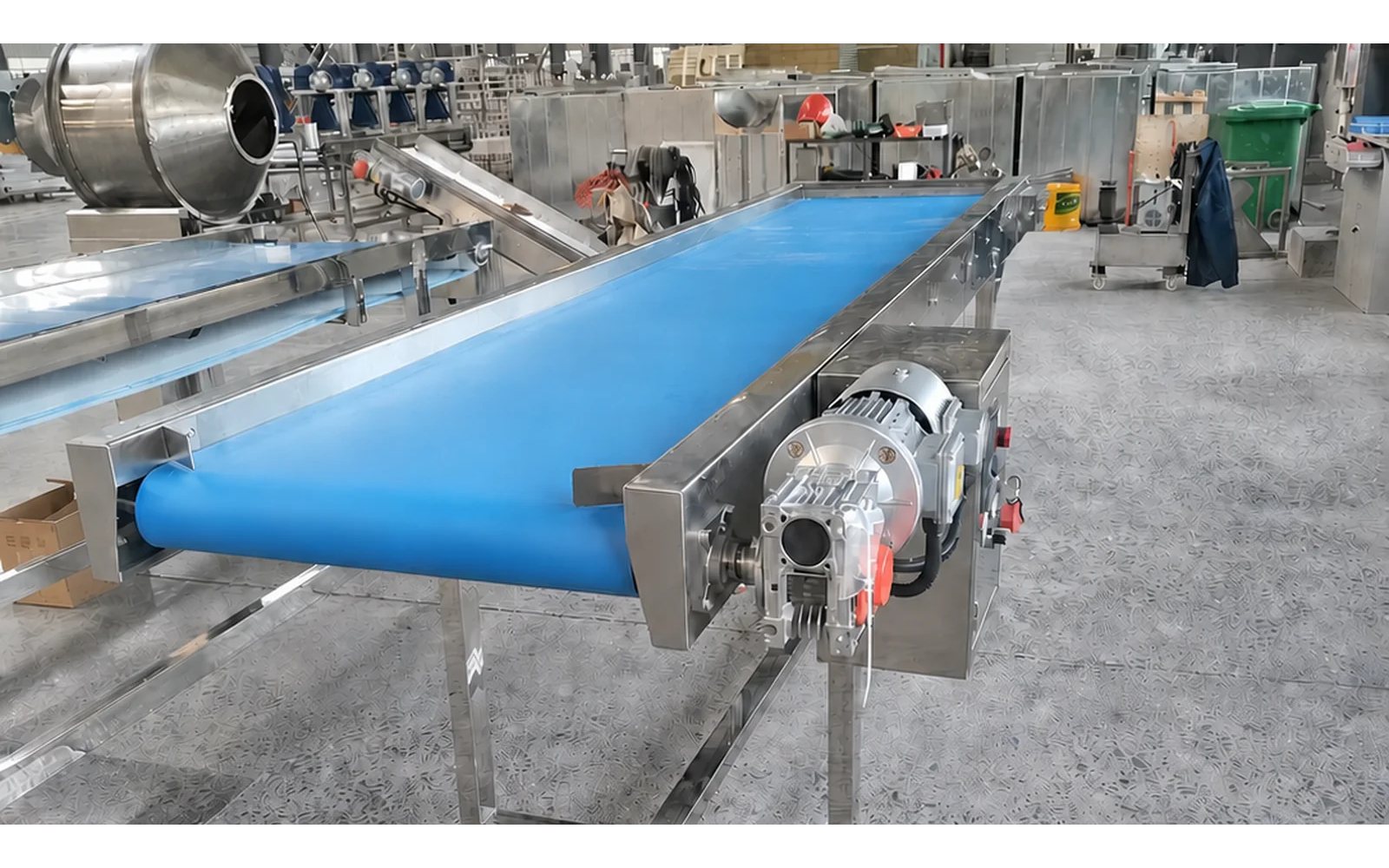
Related pages
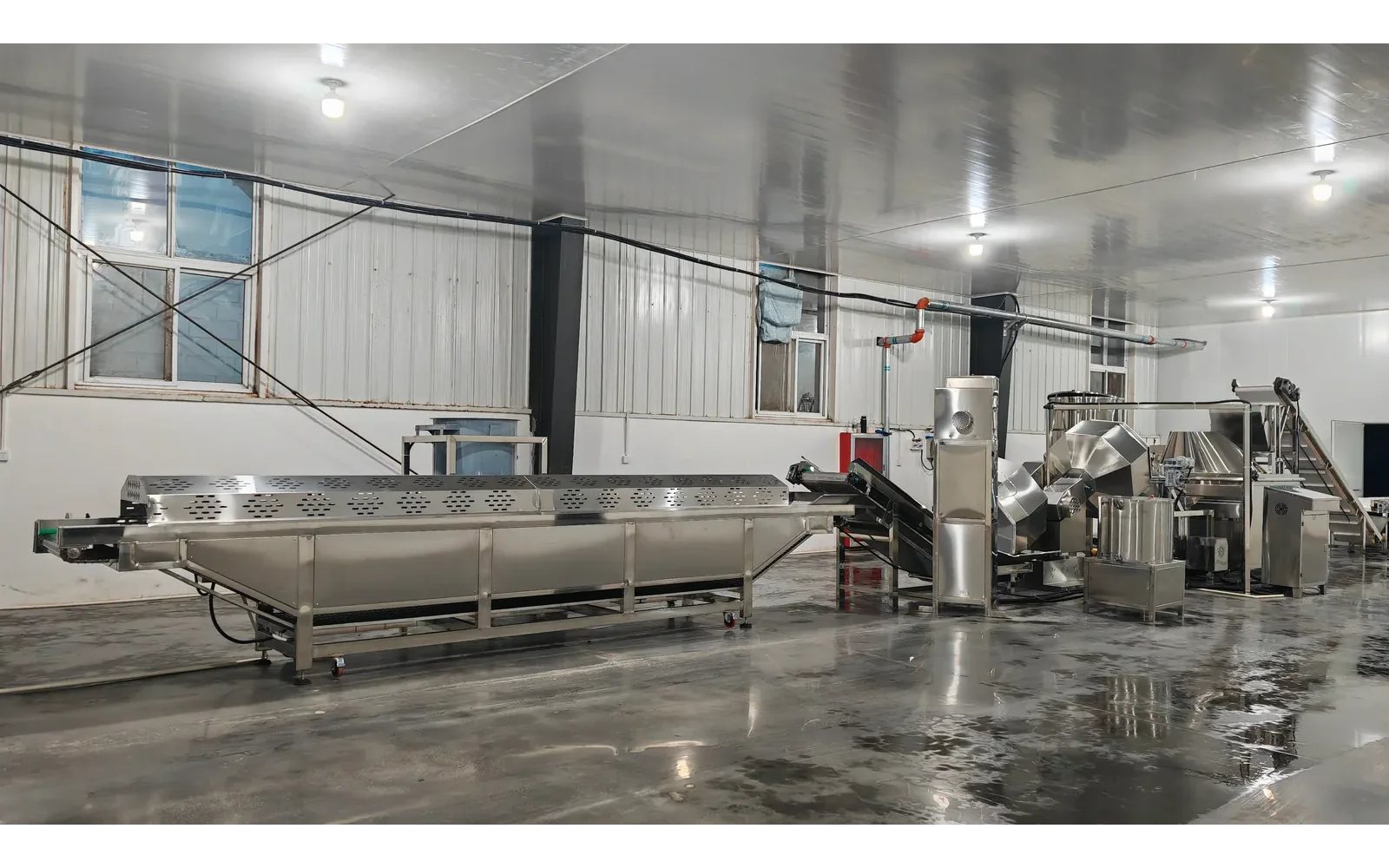
Snack Food Seasoning System
Compare batch and continuous snack seasoning routes, Hadof catalog model references, dosing controls, line interfaces and acceptance criteria.
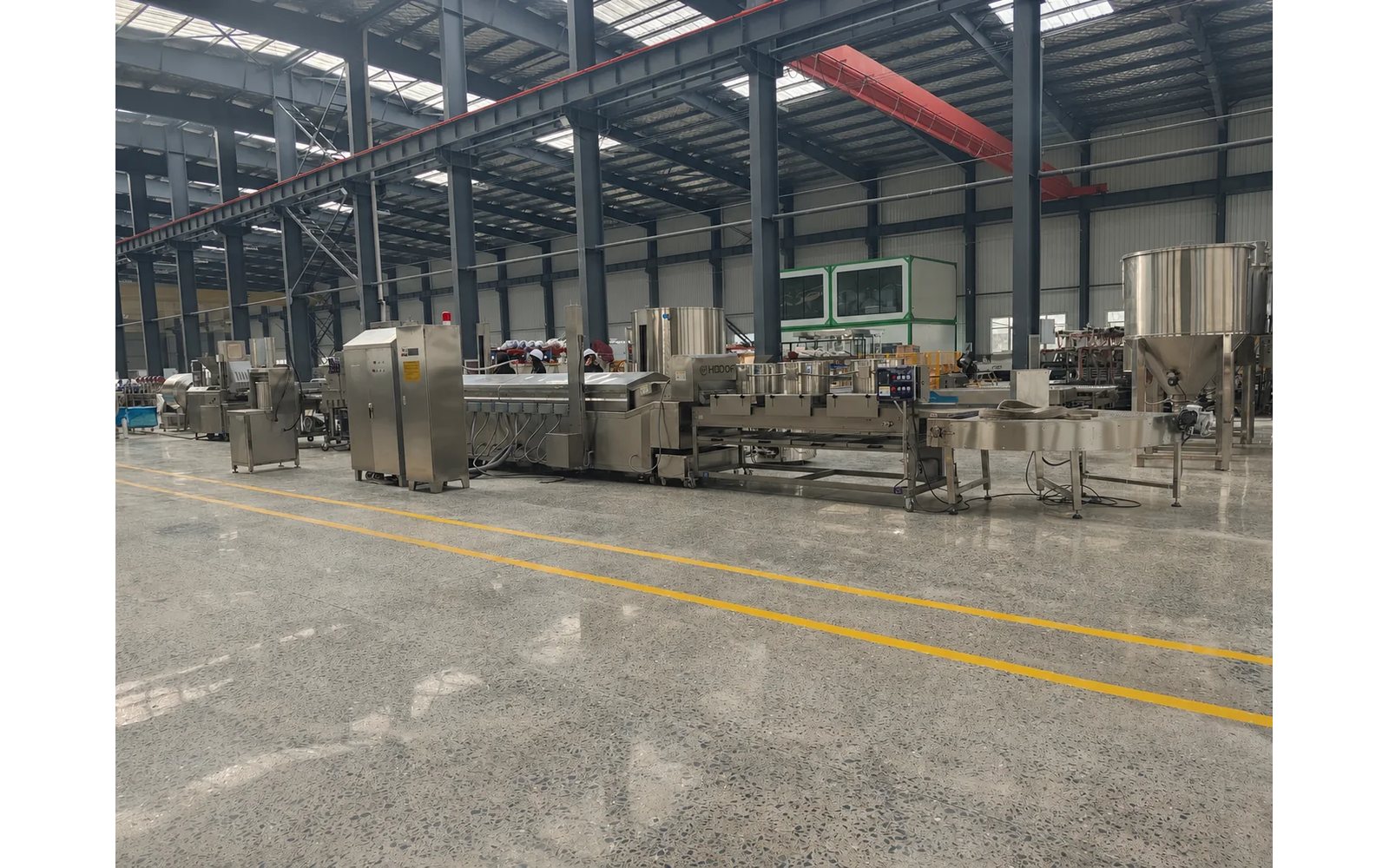
Coated Food Frying Line
Connect forming, battering, breading, continuous frying and post-fry handling to product tests, equipment families and acceptance criteria.
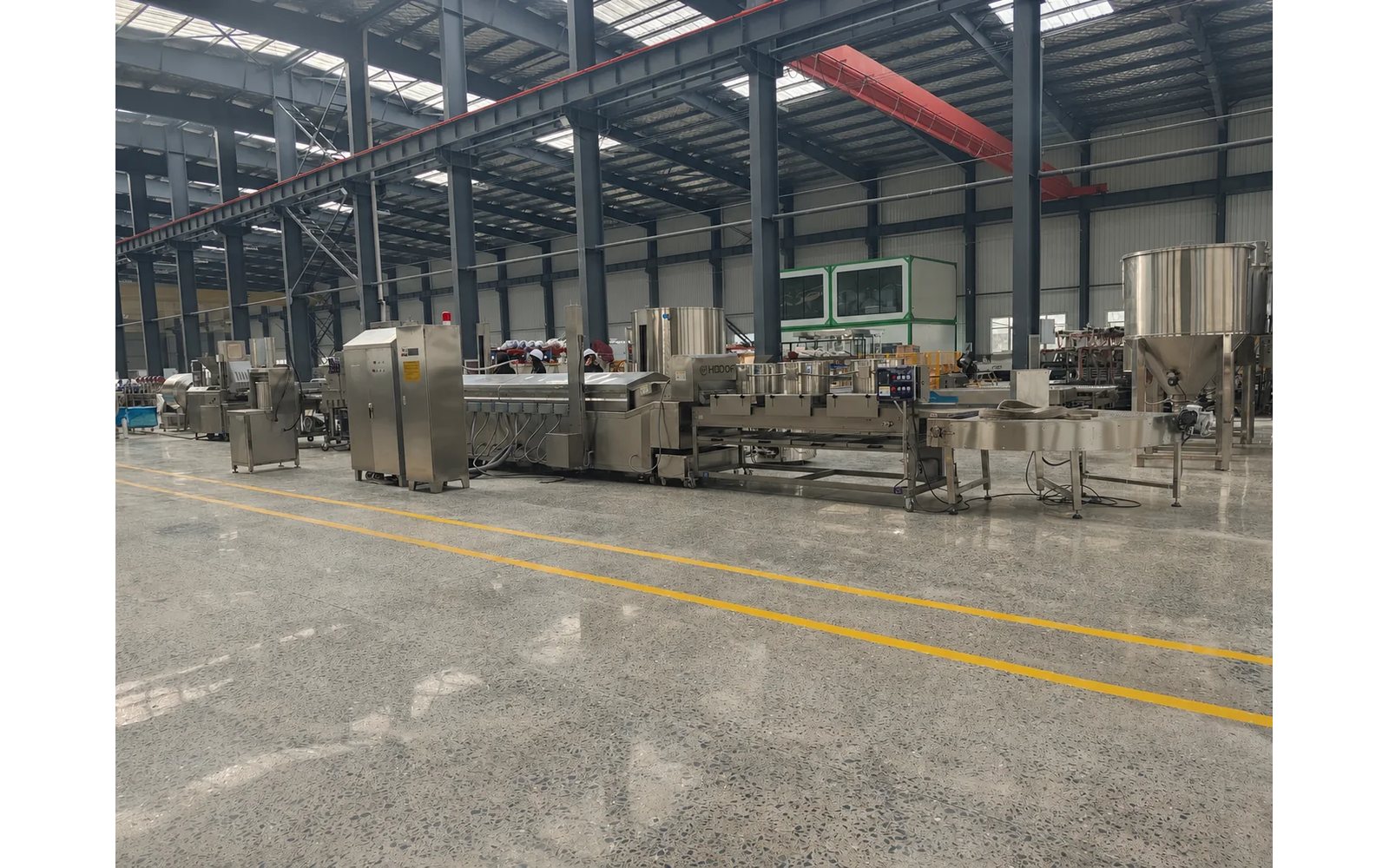
Fried Food Processing Line
Configure preparation, frying, oil handling, cooling, seasoning and freezing around the finished product, factory and acceptance basis.
UAE Food Processing Market
Documented UAE food processing demand: dairy, bakery, Halal lines and cold chain with GCC duty and VAT entry requirements.