
Procurement context and known constraints
Chicken Nugget Frying Production Line
Review the process, equipment duties and project boundary from one defined basis.
The transaction identifies the food and frying-line category, not the complete stage list.
Procurement context and known constraints
Source record HDF47 identifies an Indonesian food-company buyer, chicken nuggets and a frying production line.
Internal evaluation fields are kept confidential. The source does not provide a public customer challenge, so this page does not convert private notes into a marketing story.
| Procurement goal | Purchase a frying production line for a chicken-nugget application. |
|---|---|
| Known constraint | No stage list, models, product specification, output, utilities or acceptance result is publicly supported. |
| Comparable-project risk | Assuming every nugget line has the same forming, coating and post-fry sequence can create a mismatched scope. |
| Required buyer input | Provide the nugget geometry, incoming state, coating system, thermal result, output, downstream condition and factory basis. |
The transaction identifies the food and the frying-line category, but it does not record the complete stage list. A chicken-nugget route usually includes forming, coating, frying, cooling and freezing, yet the transaction only verifies the frying-line purchase. The distinction matters because the machines around the fryer are where the nugget is actually finished.
For a current buyer, the lesson is to separate the verified frying scope from the adjacent process decisions. The fryer is the thermal centre, but it cannot correct a coating problem or a forming problem, and it cannot freeze the product. Those stages must be reviewed on their own, with their own specifications and evidence.
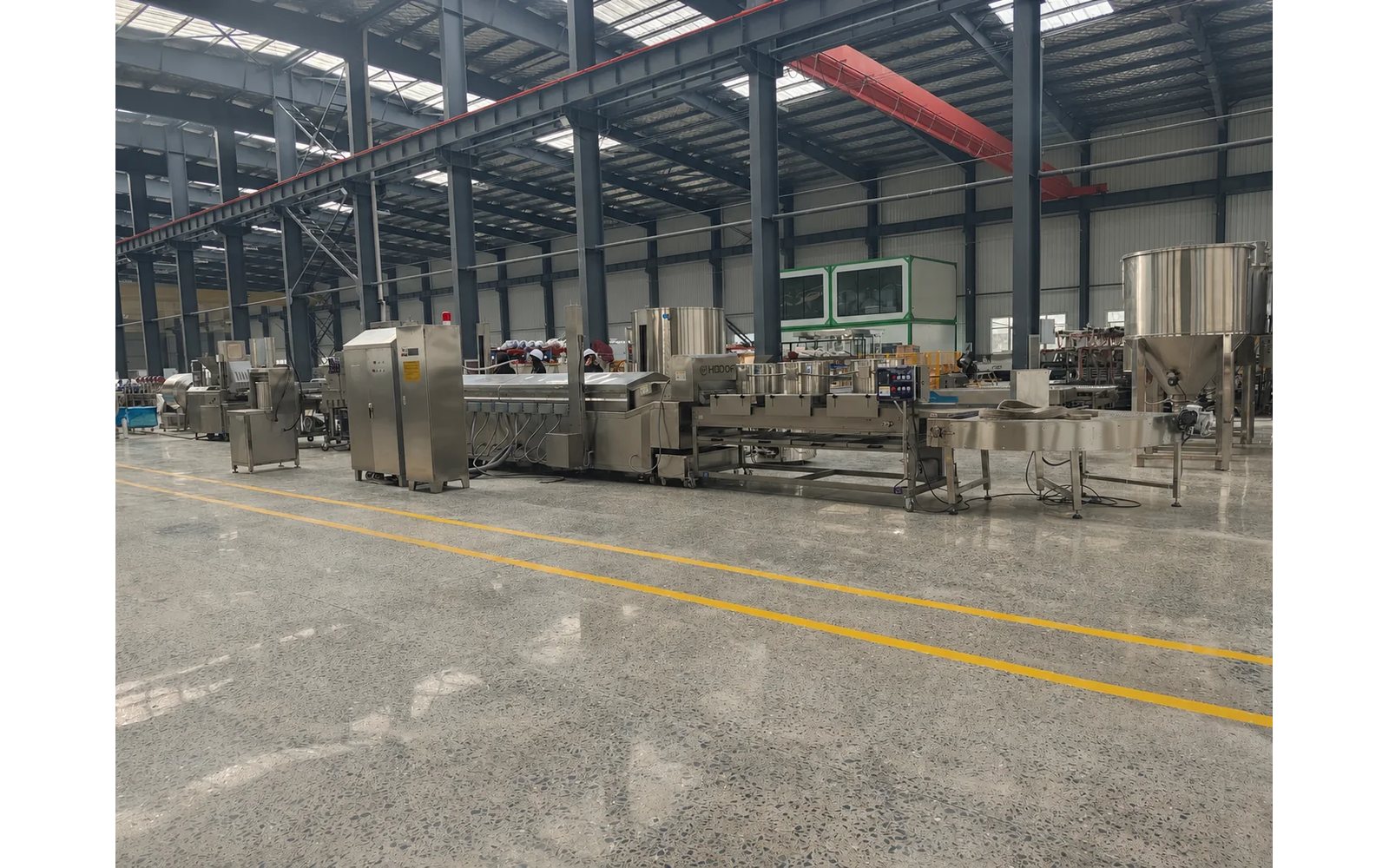
Four public facts are supported by the transaction row.
Verified recorded scope
Everything beyond these facts remains a technical-review question rather than a project claim.
Destination
Buyer type
A food company is recorded.
Food application
Chicken nuggets are recorded.
Line category
A frying production line is recorded.
Four public facts are supported by the transaction row, and the reference should be read exactly that tightly. The record identifies the buyer's market, the food, the frying-line category and the purchase itself, while leaving the models, capacities and process conditions unrecorded. Keeping the claim to those four facts is what makes the reference defensible.
A buyer who reads a reference should adopt the same discipline: list what the source verifies and refuse to infer the rest. The four facts are enough to frame a conversation about a chicken-nugget line, but they are not enough to size a fryer, a freezer or a coating system. Those require the buyer's own product data, which the reference cannot supply.
The four facts frame a conversation about a chicken-nugget line, but they are not enough to size a fryer, a freezer or a coating system, which require the buyer's own product data.
List what the source verifies and refuse to infer the rest, and the reference stops being a promise and becomes a framing device.
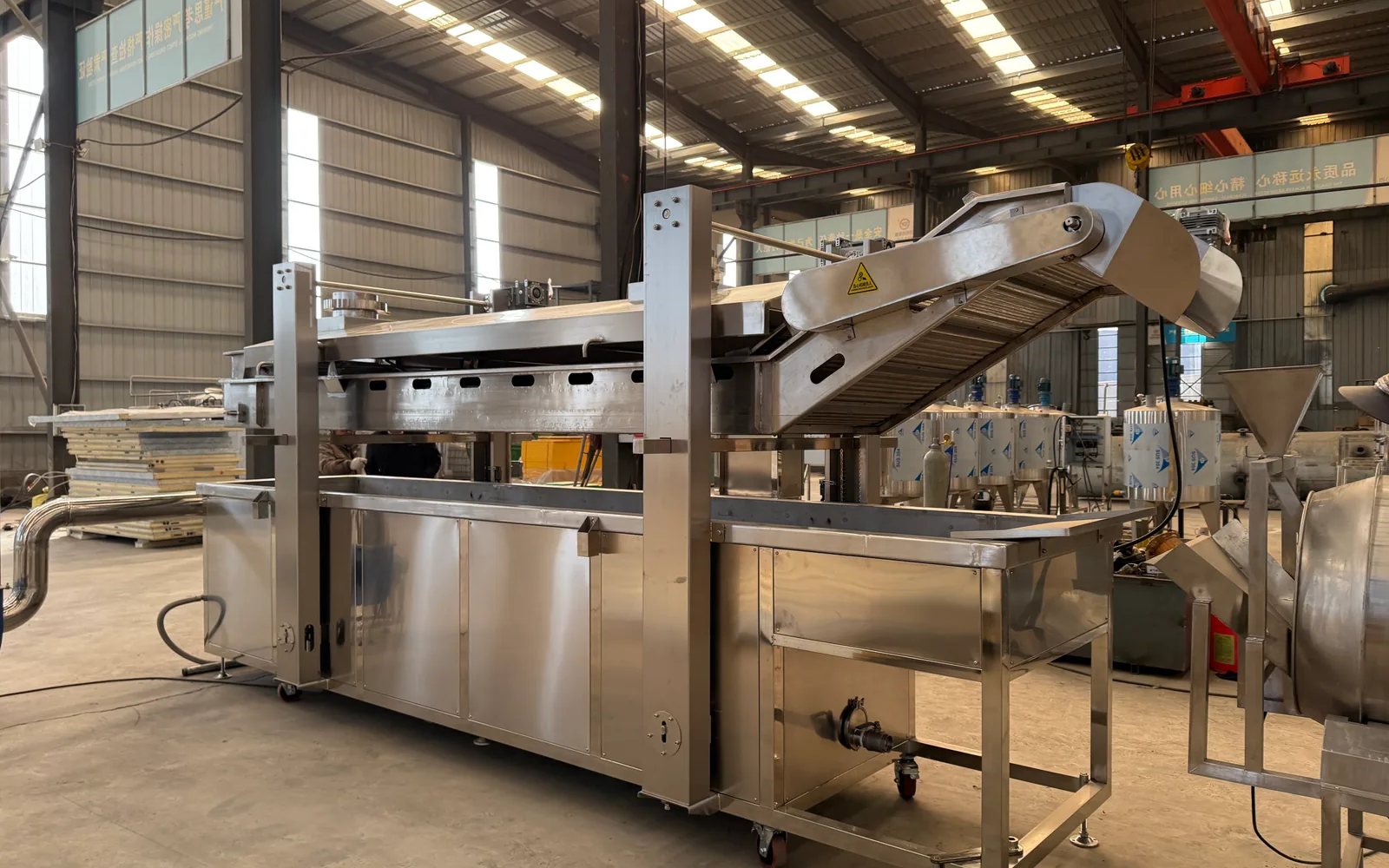
Separate the verified frying scope from adjacent process decisions.
Configuration and interface review
The sequence below is a buyer review framework. It is not a list of equipment purchased under HDF47.
The transaction confirms a frying-line category. Forming, coating and post-fry duties must be verified from the current product and approved scope.
| Upstream product | Define whether the nugget arrives formed, frozen, chilled, coated or ready for frying. |
|---|---|
| Coating interface | Define pre-dust, batter and breading recipe, pickup target, underside coverage and allowable transfer loss when applicable. |
| Frying duty | Define loading, feed temperature, target thermal result, oil-management boundary and operating schedule. |
| Post-fry boundary | Define de-oiling, cooling, freezing and packing condition without assuming those stages are included. |
Separate the verified frying scope from the adjacent process decisions. Frying is verified; forming, coating, cooling and freezing are not. A buyer who treats the whole nugget route as verified has silently assumed four stages that may have been supplied elsewhere or not at all, and that assumption is exactly where a project goes wrong.
Give each adjacent decision its own review. The coating system is specified by pickup and adhesion, the former by the nugget's shape and weight, the cooler and freezer by the thermal load and the packing format. The fryer reference is useful, but it is only one stage of a route that the buyer must complete with separate evidence.
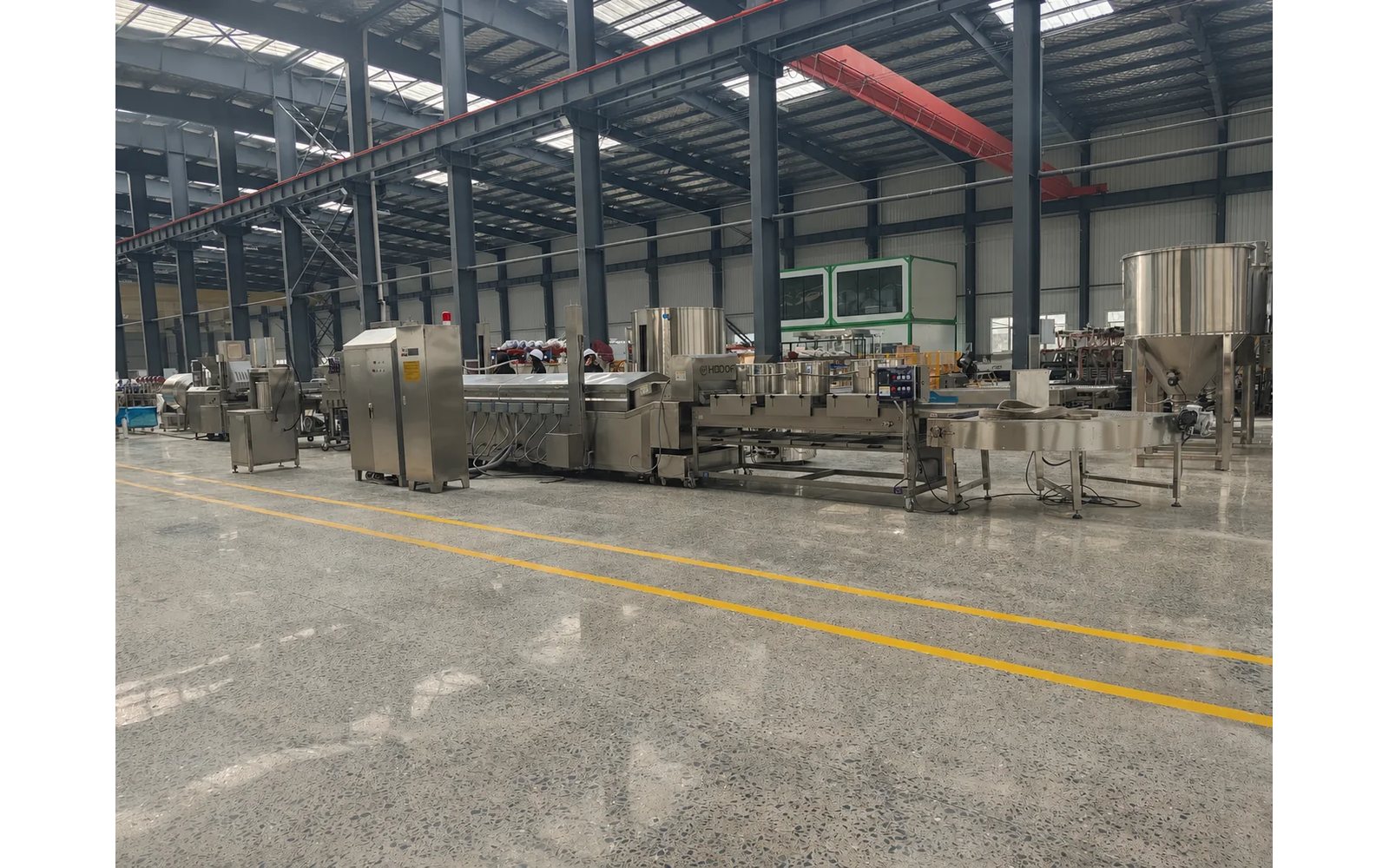
Use a gated route instead of a default machine list.
Comparable-project process architecture
Each adjacent stage is activated only when the product specification and project boundary require it.
Confirm the state entering the fryer.
Geometry, temperature, surface condition, coating and distribution determine the feed interface.
Translate the finished requirement into a test basis.
The current project must define the thermal objective, loading, run duration, inspection points and acceptance responsibility.
Define the condition required downstream.
De-oiling, cooling, freezing and packing are reviewed only when the required discharge state and responsibility are known.
Use a gated route instead of a default machine list. A gated route defines the product at each stage and only releases the next stage when the previous one is confirmed. For chicken nuggets, the gates are the formed nugget, the coated nugget, the fried nugget and the frozen nugget, and each gate has a condition that must be met before the next machine is specified.
The gated approach prevents the common error of buying the whole line before the product is understood. If the nugget's coating pickup is not yet fixed, the fryer's oil turnover cannot be sized, so the fryer decision is not yet ready. The gates make the order of decisions explicit, and the reference is read as one example of a route that passed through those gates.
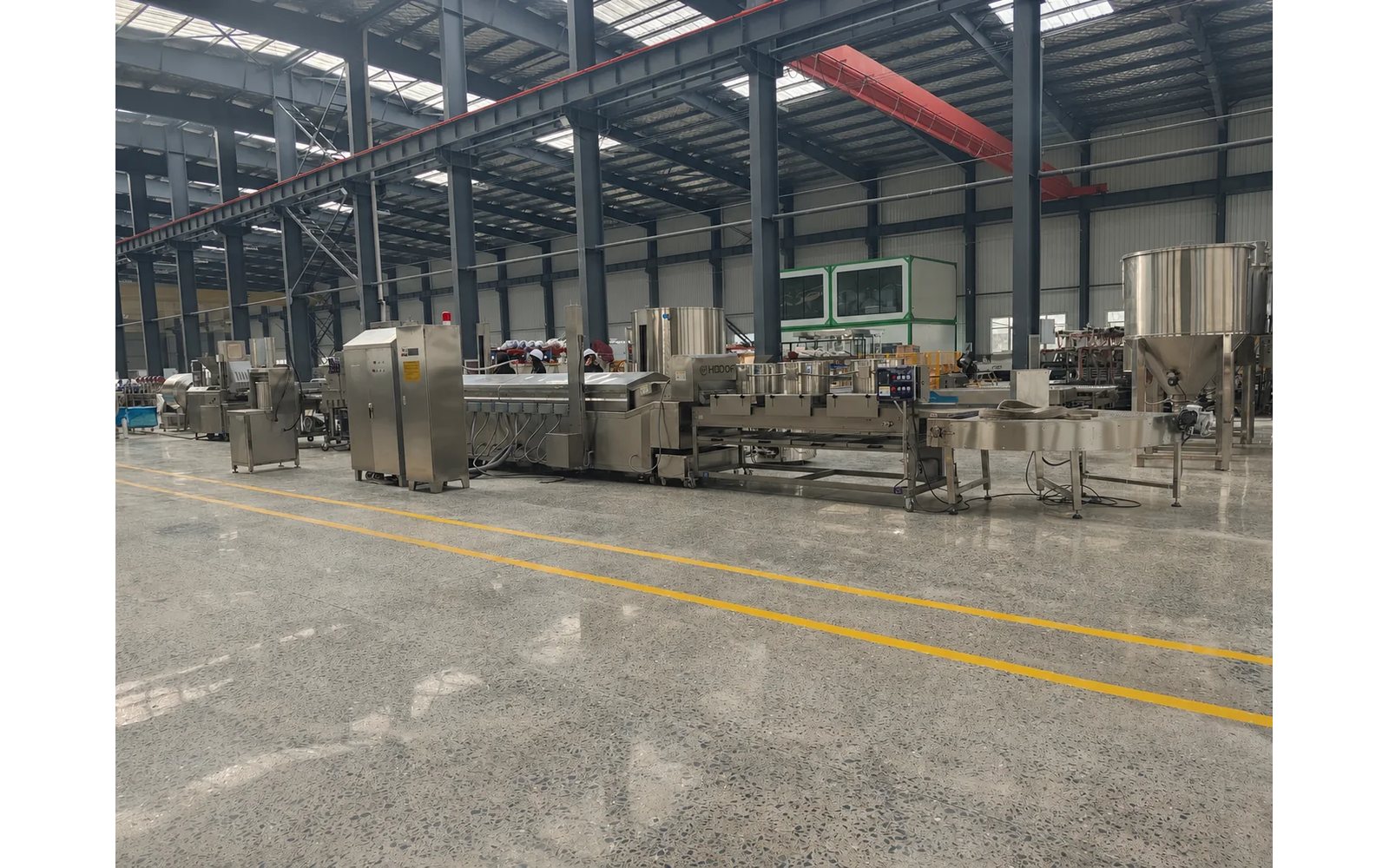
Use the Chicken-Nugget Route to Frame the Current Buyer Decisions
Project scope at a glance
The available project record identifies the application and line category; models, quality, shipping, installation, commissioning and production milestones are not included.
Food-company project
The project category was prepared for a buyer in Indonesia.
Chicken nuggets
The food application defines the forming, coating, thermal and cold-side interfaces to review.
Line stages to confirm
Define product formulation, stage list, output, utilities, cleaning and packaging handoff.
Set the test basis
Agree representative product, measurements, run duration, reject rules and responsibility for site acceptance.
Use the chicken-nugget route to frame the current buyer decisions rather than to answer them. The route raises the questions a buyer must settle: what is the nugget's size and shape, what coating and pickup are required, what oil temperature and residence cook the centre, and how the product is cooled and frozen. Those questions are the decisions, and the reference only points at them.
Then answer each question with the buyer's own data. A nugget is defined by its core, its coating and its finished texture, and those are product decisions no supplier can make for the buyer. The reference is useful because it names the decisions in order; the project is settled when the buyer has answered them.
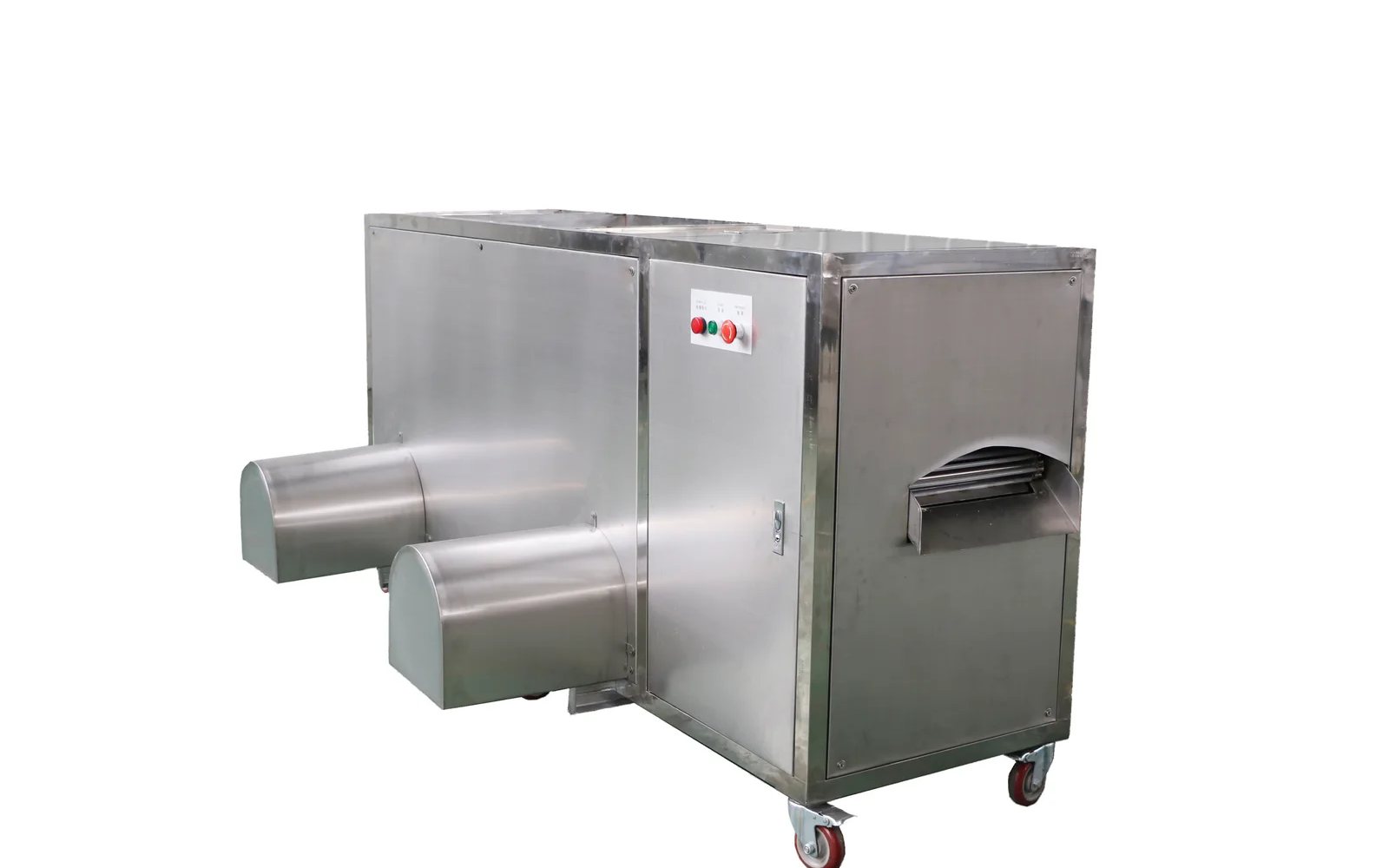
The verifiable result is a recorded chicken-nugget frying-line transaction.
Project scope and next decision
Customer identity and private commercial information remain confidential.
The verifiable result is a recorded chicken-nugget frying-line transaction, and no more. The record supports the market, the food, the category and the purchase, and it does not extend to output, product quality or the buyer's production results. Keeping the claim inside that boundary is what makes the reference honest.
A current buyer should demand the same honesty from suppliers and from themselves. Before a frying line is accepted, the result should be written as a measurement: the output, the core temperature, the coating pickup and the finished colour. The reference transaction is a fact; the buyer's acceptance result is the measurement that will prove the new line.
Before a line is accepted, write the result as a measurement: the output, the core temperature, the coating pickup and the finished colour. The transaction is a fact; the acceptance measurement proves the new line.
The reference transaction is a fact, and the buyer's acceptance result is the measurement that will prove the new line on the buyer's own product.
Write the acceptance result as a measurement before the order, and the reference stops being the standard.
The buyer's own product data is what turns the transaction fact into a project that can be measured and accepted.
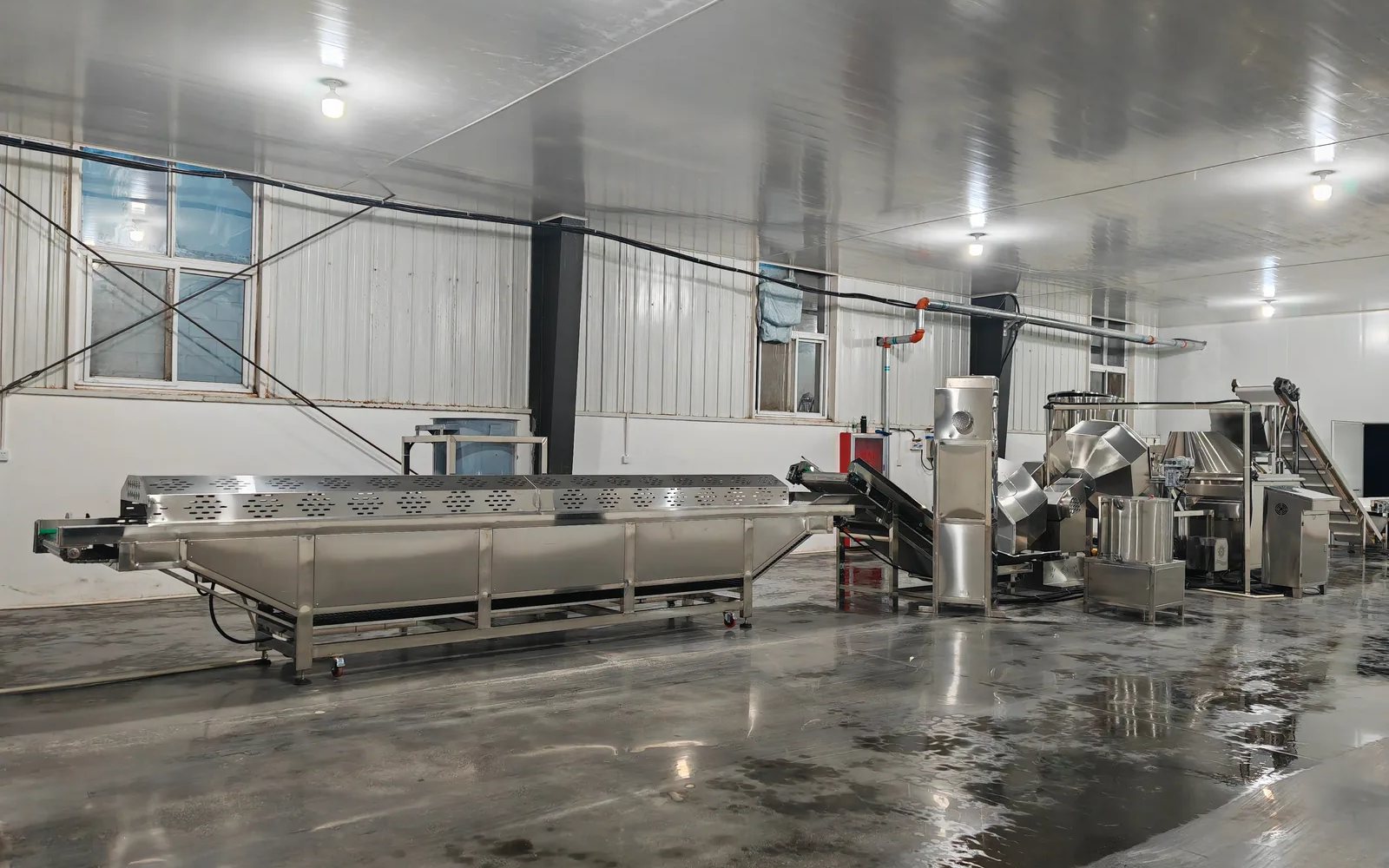
Start from the nugget state, not from a generic line name.
Transferable lessons for a comparable project
Resolve Coating Duties
Confirm forming, battering, breading and transfer requirements only when applicable.
Define the Frying Basis
Connect feed condition, loading, heat route, oil handling and acceptance.
State the Downstream Condition
Specify whether the product leaves fried, cooled, frozen or ready for packing.
| Destination | Indonesia |
|---|---|
| Recorded product application | Chicken nuggets |
| Recorded line category | Frying production line |
Frequently asked questions
What is verified by the Indonesia chicken nugget record?
Were forming, coating, freezing and packing included?
Does the project example prove capacity or product quality?
What should a buyer define for a similar line?
Start from the nugget state, not from a generic line name. A chicken-nugget line is specified by the nugget itself: its weight, shape, coating and target core temperature. The line name only labels the category, while the nugget state is what sizes the fryer, the coating system and the freezer. Begin there and the equipment follows.
Write the nugget state in measurable terms and keep it attached to every quotation. Suppliers need the core size, the coating pickup and the finished moisture to size their machines, and without those numbers they are quoting a category rather than a product. The nugget state is the single basis that makes the whole route comparable.
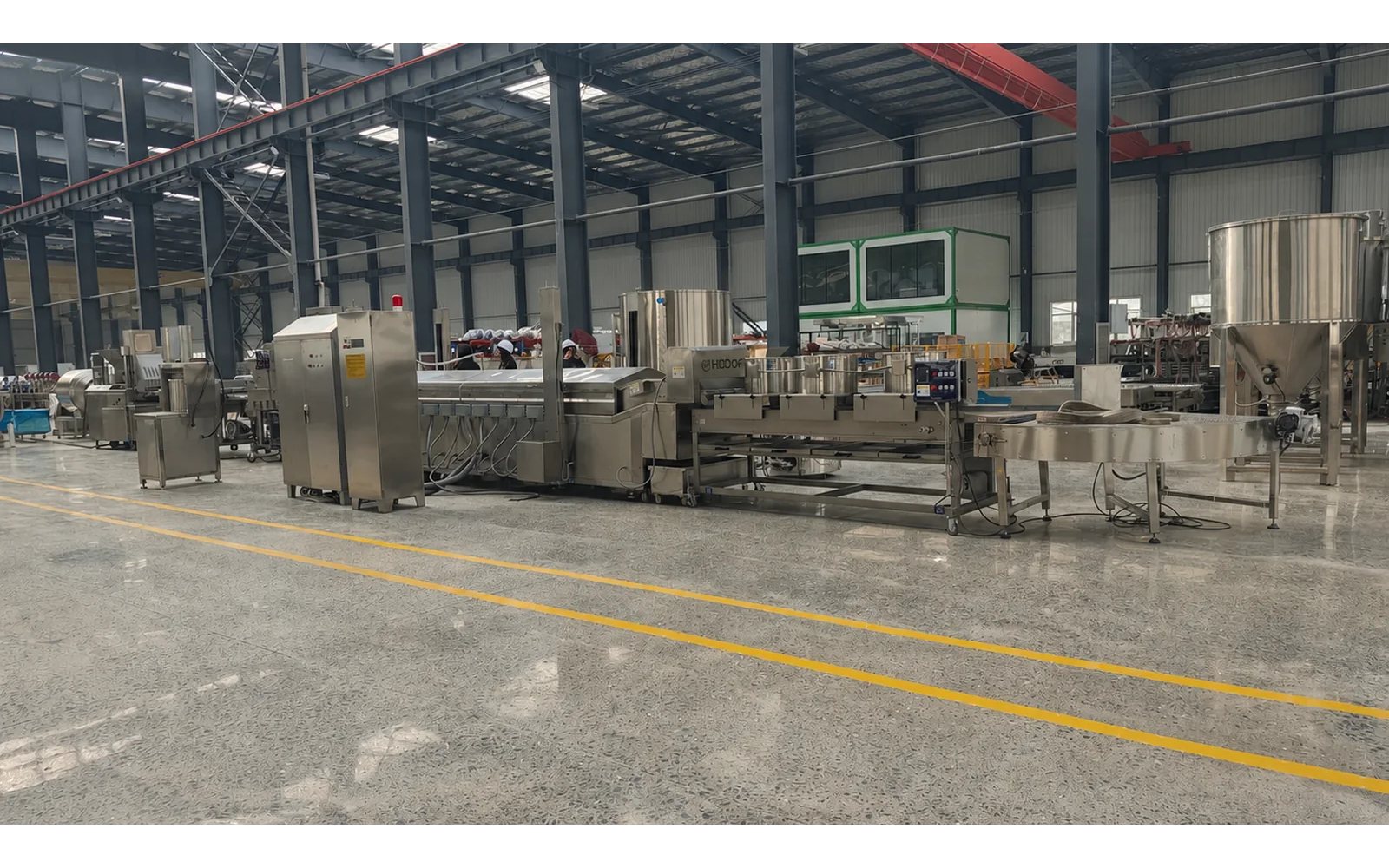
Related pages
Coated Food Frying Line
Connect forming, battering, breading, continuous frying and post-fry handling to product tests, equipment families and acceptance criteria.
Continuous Fryer
Compare verified Hadof continuous fryer references, then review product loading, heating route, oil handling, factory interfaces and acceptance scope.