
Procurement context and known constraints
Continuous Fryer and Oil-Filtering Project
Review the process, equipment duties and project boundary from one defined basis.
The recorded scope treats frying and oil filtration as connected duties.
Procurement context and known constraints
The project record identifies an Indonesian food-company buyer and two purchased equipment categories.
The public engineering review therefore focuses on the verified equipment relationship and the inputs a comparable buyer must supply.
| Procurement goal | Purchase continuous frying and dedicated oil-filtering equipment within one recorded scope. |
|---|---|
| Known constraint | No product, model, output, heat source or filtration specification is available in the available project record. |
| Comparable-project risk | Choosing the fryer without defining the oil circuit can leave circulation, filtration, return and cleaning responsibilities unresolved. |
| Required buyer input | Provide the food, feed condition, thermal result, output, operating hours, oil-management basis, utilities and layout. |
The recorded scope treats frying and oil filtration as connected duties, and that is the most instructive part of the reference. Many buyers purchase a fryer and treat the oil filter as an optional extra, but oil quality decides the finished colour, the oil life and the running cost, so the filter belongs in the same scope as the fryer.
For a current buyer, the lesson is to specify the oil circuit as one system. The filter must remove the fines the product releases, the pump must keep the oil moving, and the heat exchanger must recover temperature after a cold load. Buying them together means one party owns the oil result instead of two parties blaming each other.

Two recorded machines define one connected oil system boundary.
Verified purchased scope
The transaction supports the equipment categories below.
Recorded frying equipment
A continuous frying machine is listed.
A dedicated oil-filtering machine is listed.
The equipment names imply a relationship, not a complete piping design.
A comparable scope must assign pumps, valves, piping, oil storage, filtration timing, cleaning and control responsibility.
Two recorded machines define one connected oil system boundary: the fryer and the oil filter. The boundary between them is the oil flow, the temperature and the pressure, and the reference is valuable because it makes that boundary explicit. A buyer who copies the two-machine purchase but not the interface has bought two machines instead of one system.
Define the interface before ordering either machine. Confirm the oil flow rate between the fryer and the filter, the filtration grade the product requires and the cleaning cycle for the filter media. The two machines only work as a system when that interface is written down and owned by a single supplier or a single commissioning plan.
A buyer who copies the two-machine purchase but not the oil flow, temperature and pressure interface has bought two machines instead of one system.
Write that interface down and give it a single owner, or the two machines will be commissioned as two guesses instead of one circuit.
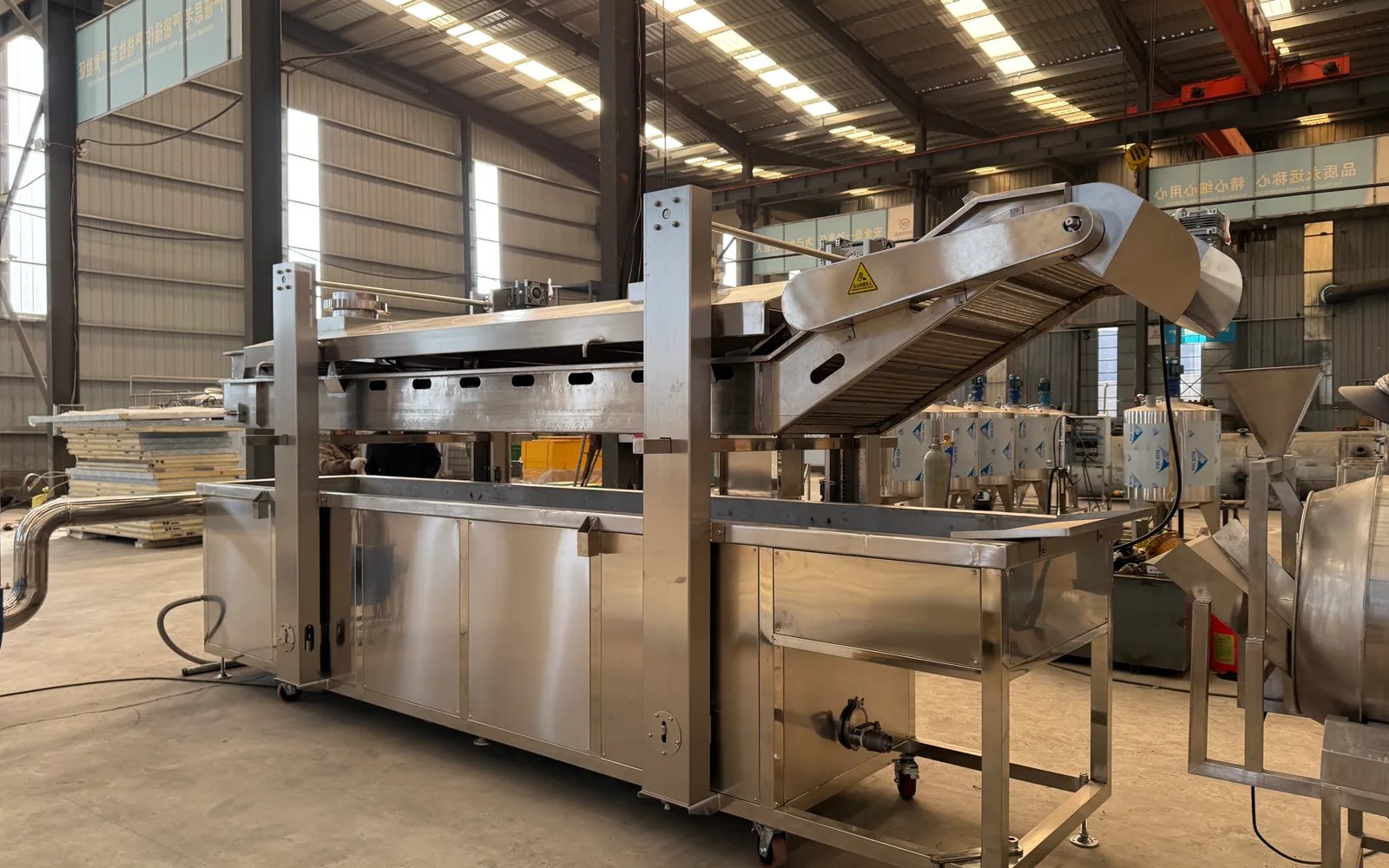
Review the fryer and oil circuit together.
Supported configuration relationship
The source verifies that both equipment categories were purchased.
| Product duty | Define geometry, coating or surface condition, feed temperature, target result and allowable breakage. |
|---|---|
| Thermal duty | Define heating source, loading, residence basis, oil temperature control and operating window. |
| Filtration duty | Define the material to remove, filtration timing, flow path, allowable pressure or flow change and return condition. |
| Ownership boundary | Assign circulation, oil replenishment, storage, cleaning, safety review, controls and site connections. |
Review the fryer and the oil circuit together, because a change in one changes the other. The fryer's oil volume and the product's fines load decide the filter's duty, and the filter's performance decides how long the oil lasts and how clean the finished product looks. Reviewing them separately produces a fryer that works on paper and an oil system that cannot keep up.
Run the numbers as one circuit. Convert the product's fines release into a filtration duty, check the oil turnover against the fryer volume, and confirm the pump and the heat exchanger can hold temperature while the oil circulates. The review is complete when the fryer, the filter and the oil flow are consistent with each other.
The review is complete when the fryer, the filter and the oil flow are consistent with each other.
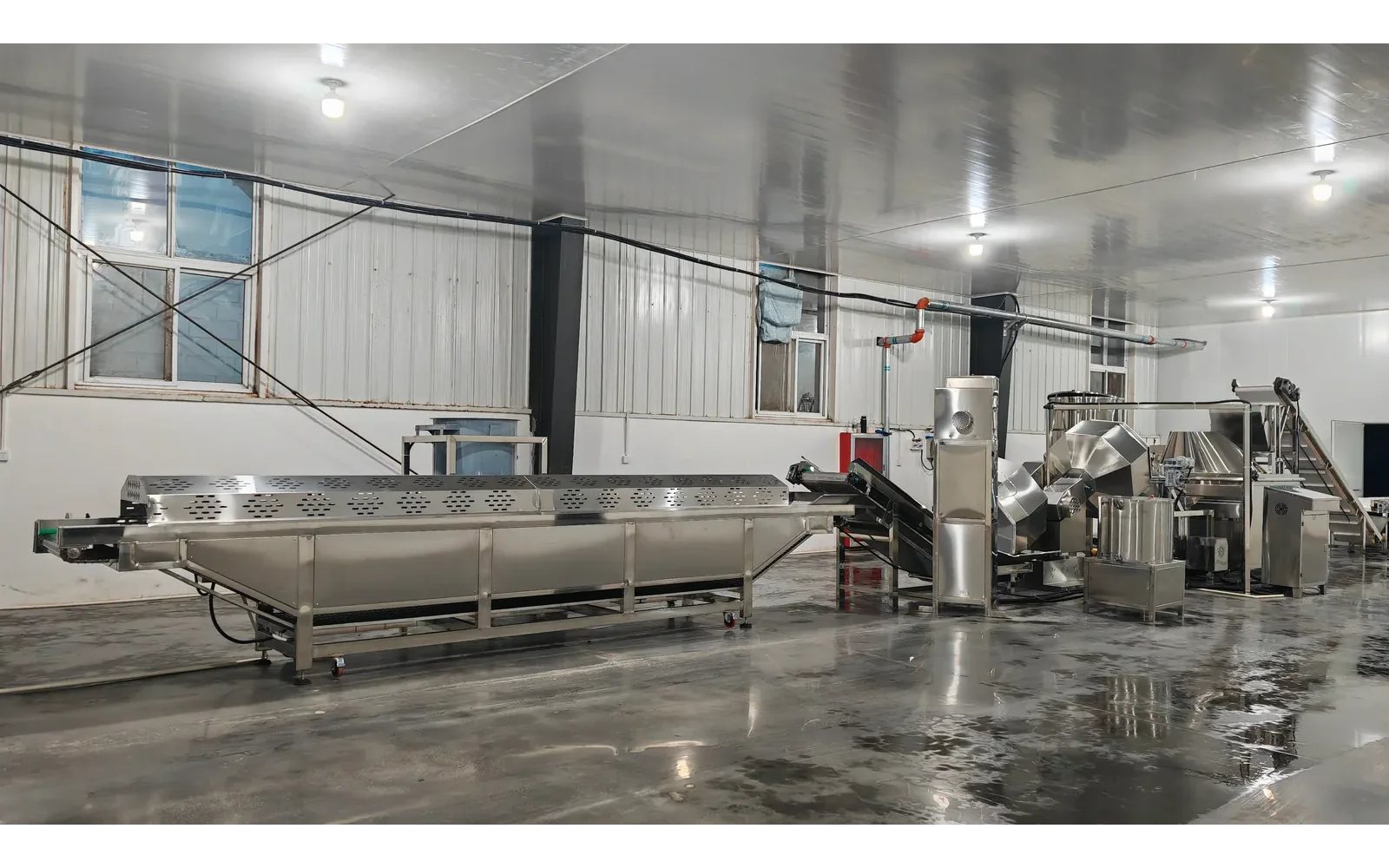
Follow the Frying and Oil-Filtration Duties as One Connected System
Project scope at a glance
The available project record identifies the purchased scope; manufacturing, quality, shipping, commissioning and production milestones are not included.
Food-company project
The project was prepared for a food-processing buyer in Indonesia.
Two duties identified
A continuous fryer and oil-filtering machine are individually recorded.
Oil circuit to define
Confirm heat source, oil volume, circulation, filtration target, return route and cleaning responsibility.
Agree the operating basis
Define product, output, utilities, test method, factory interfaces and delivery responsibilities.
Follow the frying and oil-filtration duties as one connected system through the project. The frying duty sets the temperature and residence; the filtration duty sets the oil cleanliness and turnover; and the two must be commissioned and accepted together. A fryer accepted on its own, with a filter that is still unresolved, is only half a system.
Write the oil result into the acceptance plan. The finished product's colour, the oil's free-fatty-acid level and the filter's fines removal are measurable results that show the connected system works. Accepting the fryer and the filter against those shared numbers is what closes the project as one system rather than two deliveries.
Accepting the fryer and the filter against shared oil numbers is what closes the project as one system rather than two deliveries.
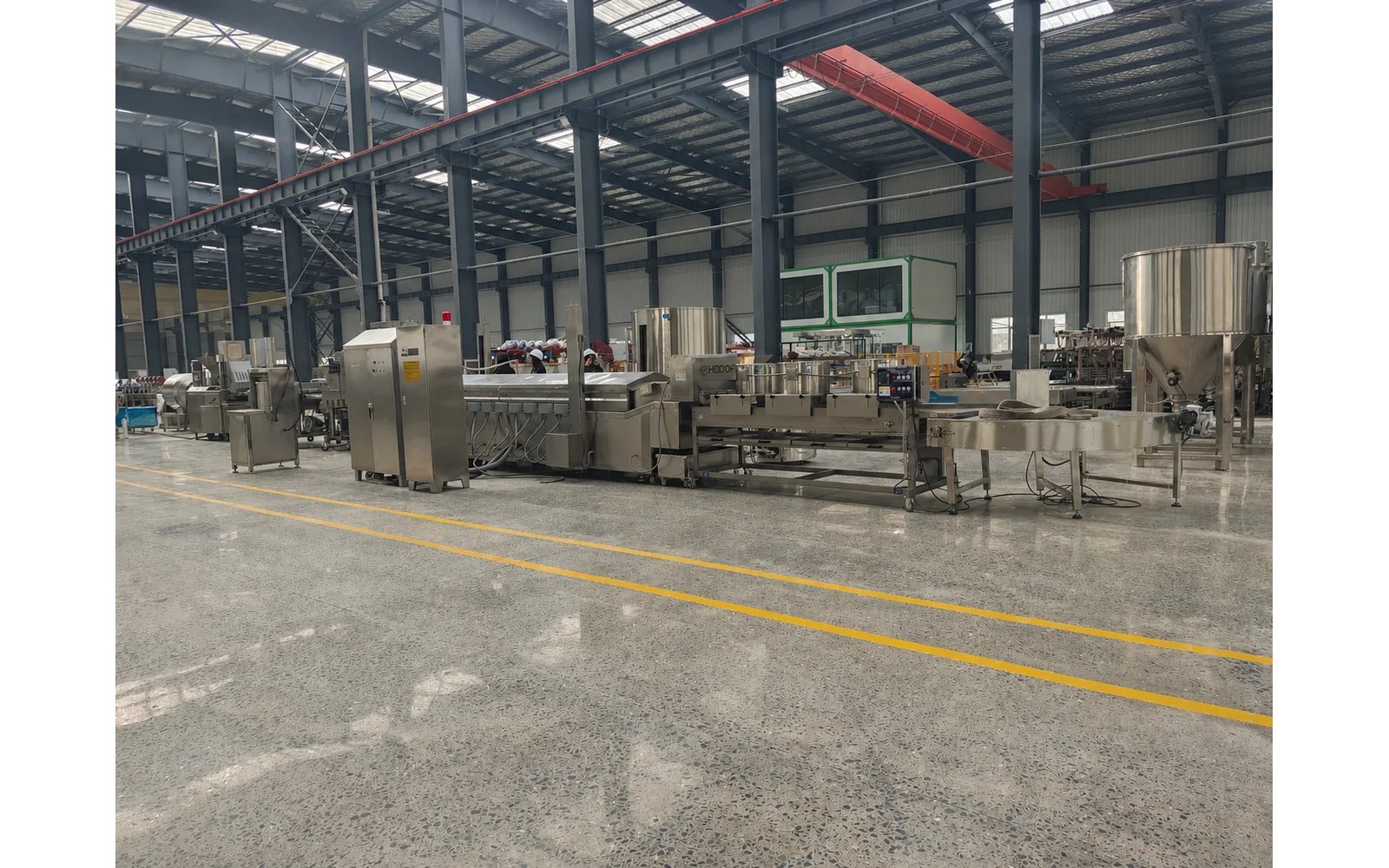
The verifiable result is a recorded two-machine purchase.
Project scope and next decision
Customer identity and private commercial information remain confidential.
The verifiable result is a recorded two-machine purchase, and the claim should stay inside that boundary. The record verifies the fryer and the filter were bought together, but it does not verify the oil quality, the output or the buyer's production results. The two-machine purchase is the fact; the performance is a separate question.
A current buyer should keep the same separation in their own project. Write what the record proves, then write what the acceptance test must prove, and do not let one stand in for the other. The two-machine purchase shows the buyer understood the oil duty; the acceptance test shows whether the system actually performs it.
The two-machine purchase shows the buyer understood the oil duty; the acceptance test shows whether the system actually performs it. Keep the two claims separate in the project record.
The record verifies the purchase; the performance is a separate question the buyer answers with their own acceptance test.
The fact and the performance are two different claims, and the project keeps them separate on purpose.
The acceptance test, run on the buyer's product and oil, is what proves the performance that the transaction only records.
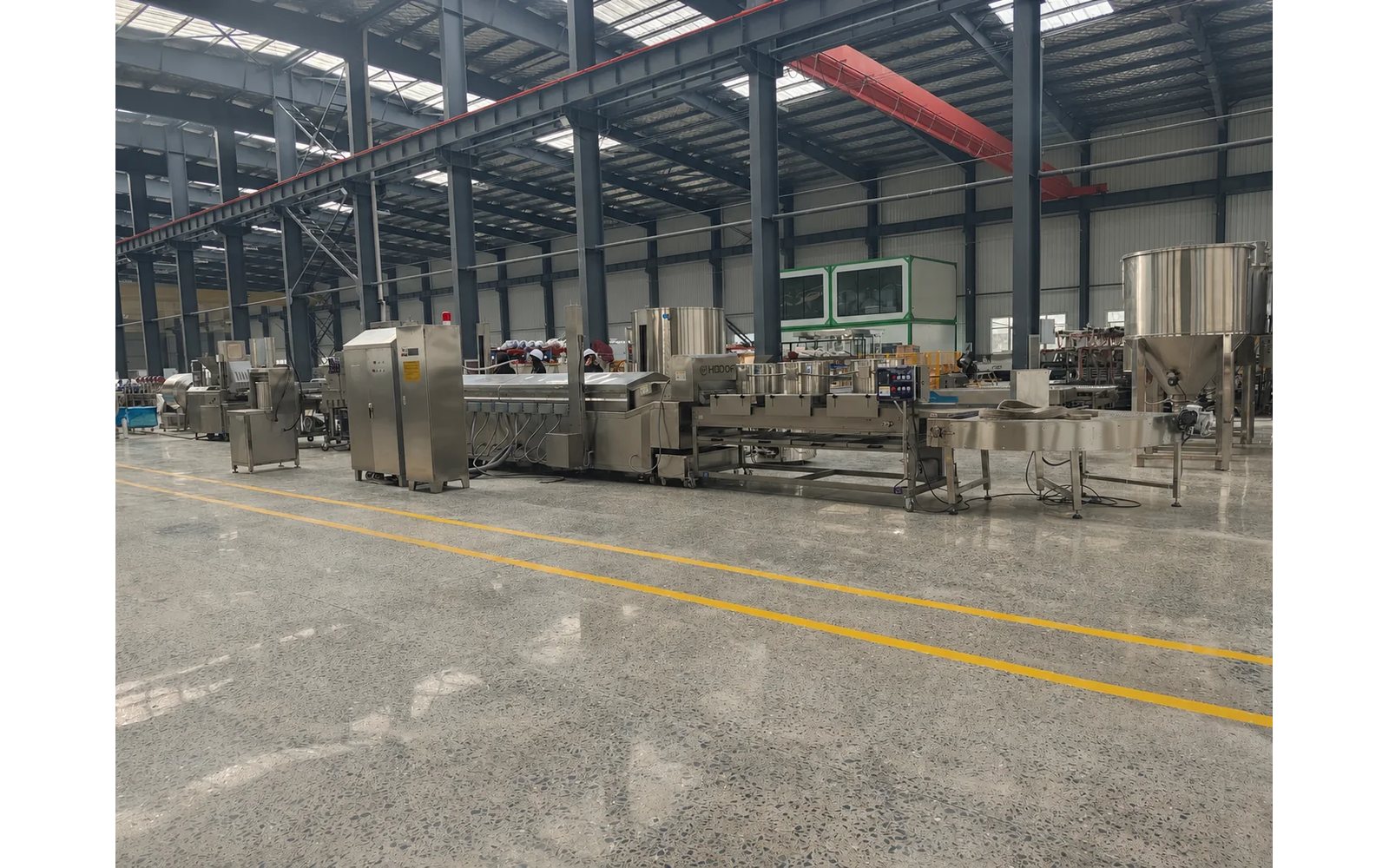
Carry the oil-system boundary into the first technical review.
Transferable lessons for a comparable project
Map the Complete Frying Line
Define preparation, frying, de-oiling, cooling and downstream handoffs.
Compare Verified References
Use catalog values as candidates, then apply the product and operating basis.
Compare Like With Like
Include oil handling, transfers, controls, documentation, testing and support.
| Destination | Indonesia |
|---|---|
| Recorded frying equipment | Continuous frying machine |
| Recorded oil equipment | Oil-filtering machine |
Frequently asked questions
What does the Indonesia fryer record verify?
Does this project example identify the food or equipment models?
Why should fryer and oil filtration be reviewed together?
What is required for a comparable technical review?
Carry the oil-system boundary into the first technical review rather than discovering it later. The first questions should be about the oil flow, the filtration grade, the pump and the heat exchanger, because those answers decide whether the fryer can run continuously. A review that starts with the fryer body and ignores the oil circuit starts in the wrong place.
Then close the boundary in the scope. Name who supplies the filter, the pump and the heat exchanger, and how they are commissioned with the fryer. The reference shows that a buyer can, and should, treat the oil system as part of the frying purchase, and that decision belongs in the first technical review.
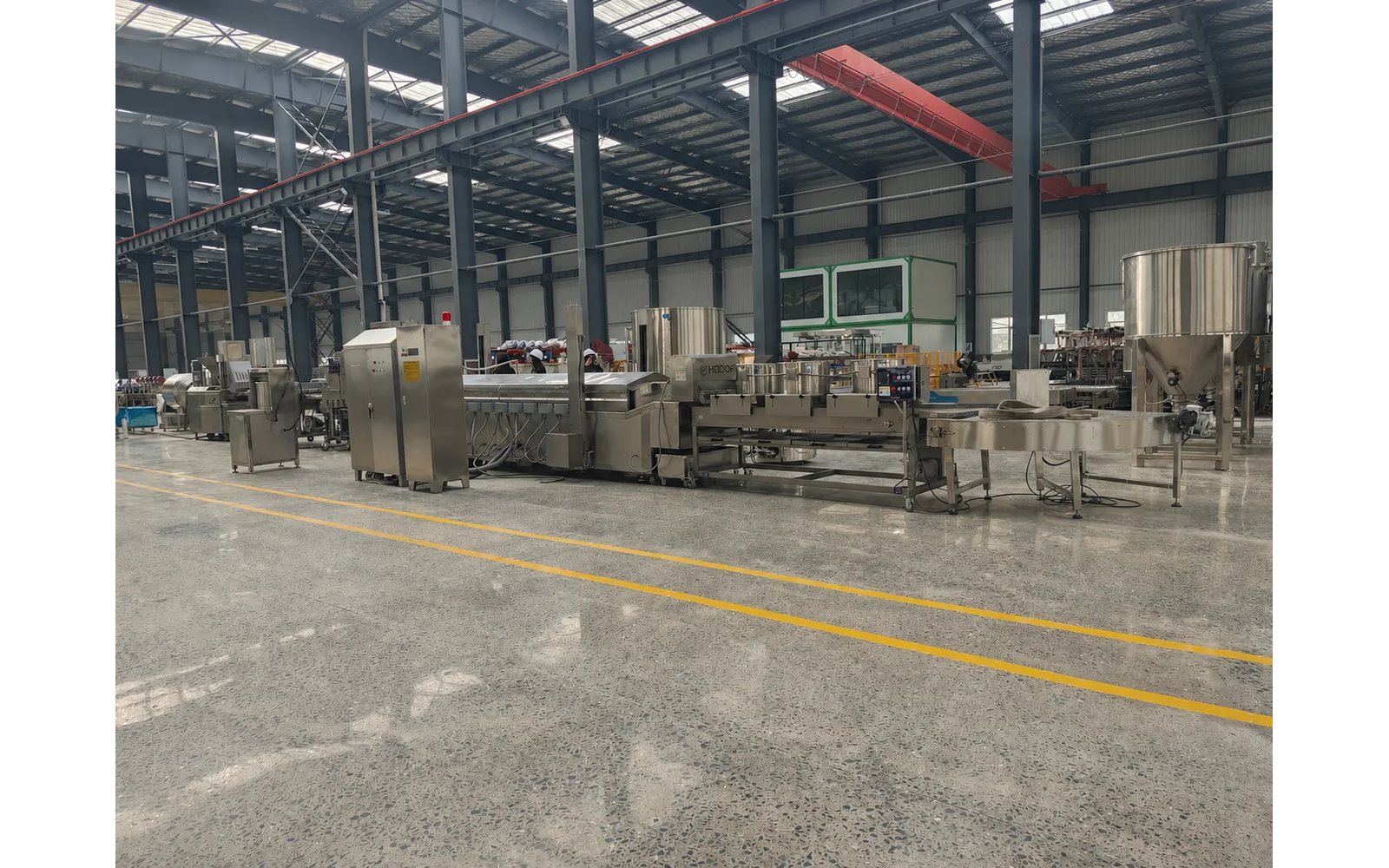
Related pages
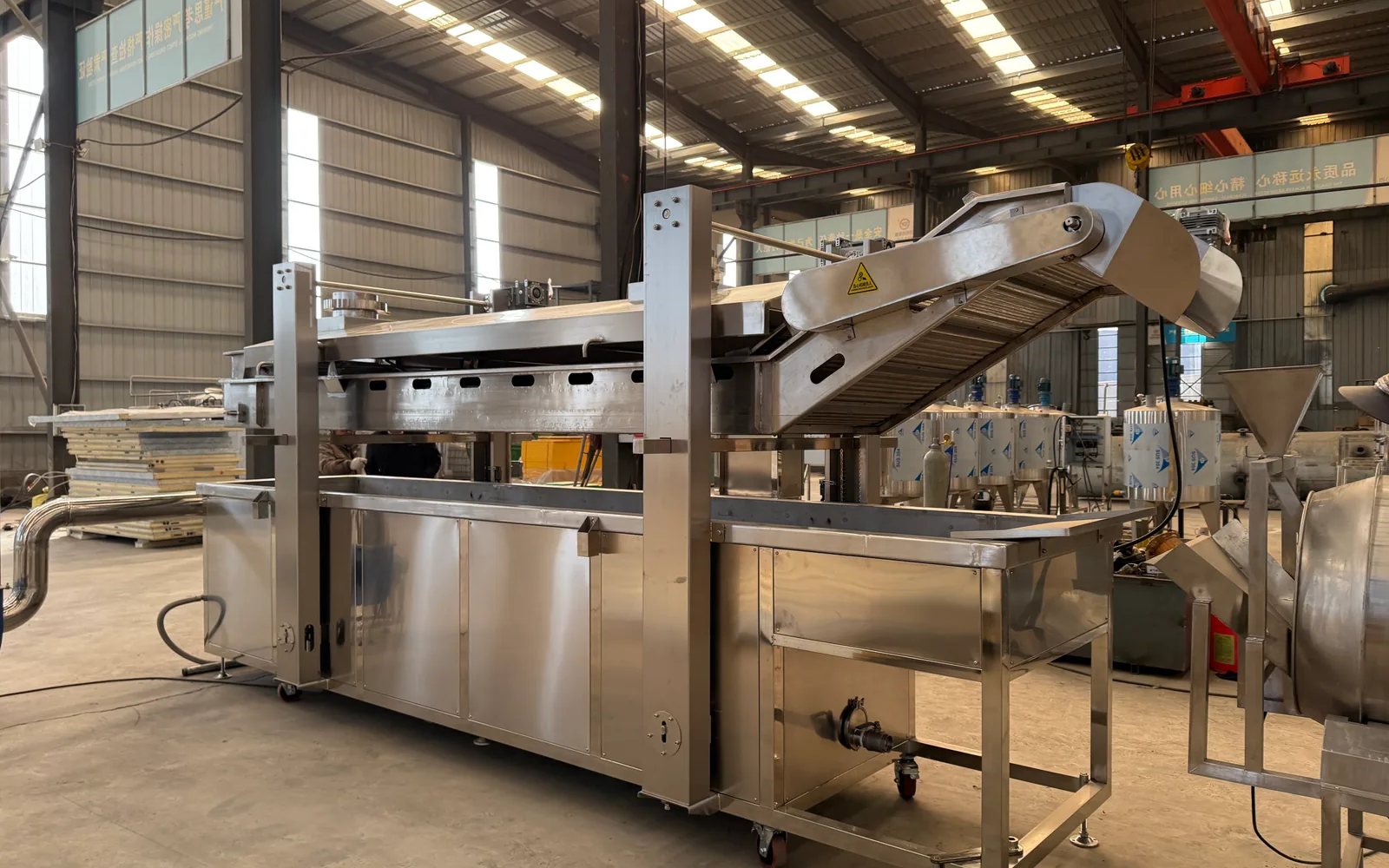
Continuous Fryer
Compare verified Hadof continuous fryer references, then review product loading, heating route, oil handling, factory interfaces and acceptance scope.
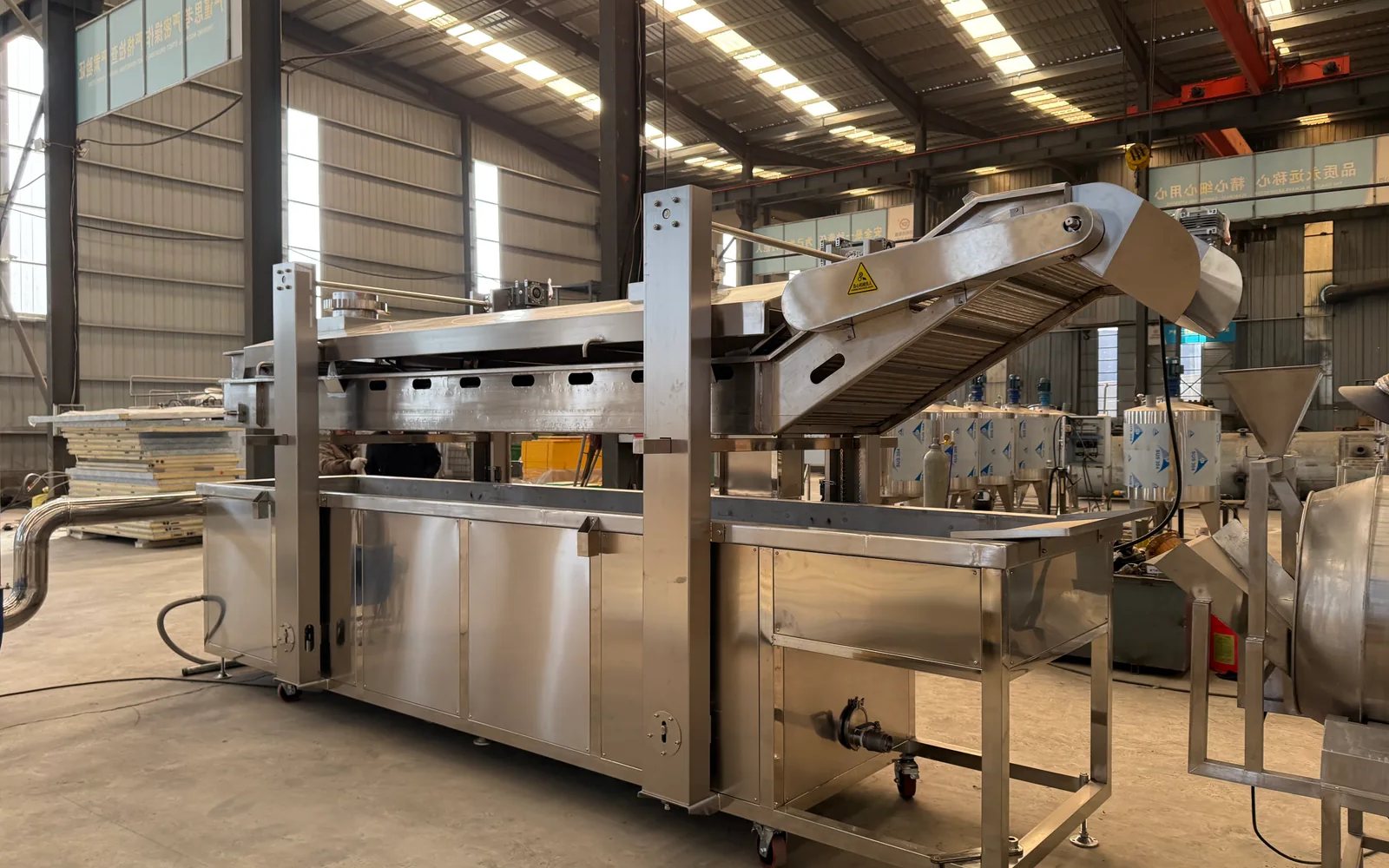
Continuous Fryer Selection Engineering
Understand how product condition, loading, heating route, oil management, factory interfaces and acceptance criteria drive continuous fryer selection.
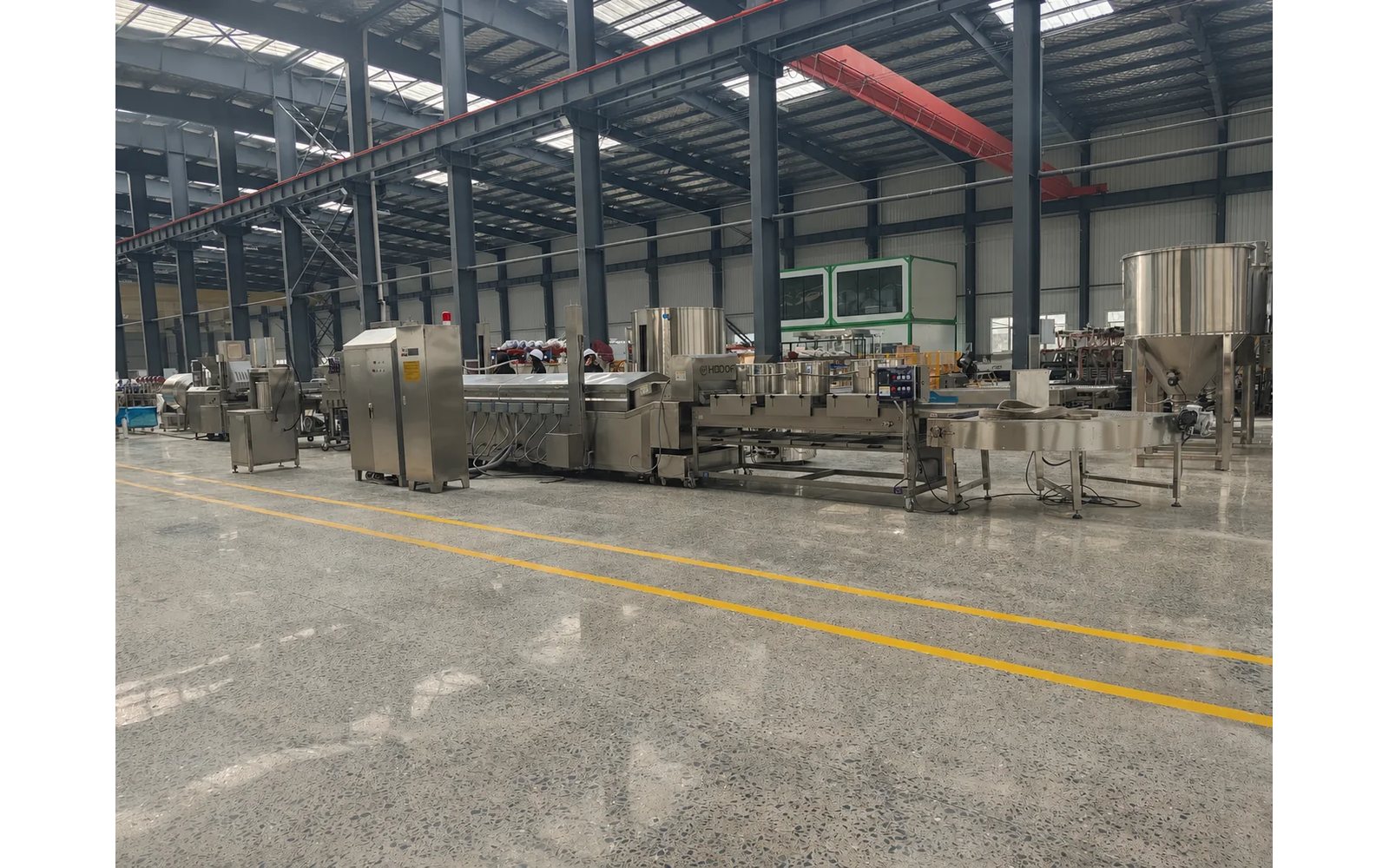
Fried Food Processing Line
Configure preparation, frying, oil handling, cooling, seasoning and freezing around the finished product, factory and acceptance basis.